
You are sitting in the car, waiting for the traffic light to turn green, when you hear a sound from the backseat that makes you pause. It is your child, but they are laughing in a way you have never heard before. Or maybe they are explaining a concept they read about online—something about ocean currents or obscure historical trivia—with an enthusiasm that did not come from anyone in your household. You look in the rearview mirror, really look at them, and a strange, quiet realization settles in. You are looking at a person who has an entire inner world you did not build.
For the first few years of their lives, parenting feels a lot like architecture. You feel responsible for every single brick. You decide what they eat, what they wear, which stories they hear before bed, and how they navigate their first minor disappointments. Because you are so deeply involved in the daily maintenance of their existence, it is easy to fall into the belief that you are the author of their personality. You assume that who they are is simply a reflection of what you have poured into them.
Then, without warning, the rhythm changes. Your child starts showing up with opinions, tastes, and quiet habits that you never taught them. They suddenly love a genre of music you cannot stand, or they display a dry, observant sense of humor that feels entirely self-generated. It is a disorienting moment for any parent. You realize that while you were busy trying to raise them, they were busy quietly becoming someone else entirely.
The Blueprint We Did Not Draw
It is easy to view these moments of independence as a quiet form of distance, but they are actually the first glimpses of a beautiful human transition. Developmental researchers have spent decades studying how children form their own identities, and the consensus is both humbling and liberating. Long before we begin teaching our children how to behave, they arrive with their own unique temperament already intact. Studies in behavioral genetics and child development suggest that a significant portion of our personality traits are deeply rooted in our biology from day one.
This means we are not actually sculpting our children out of clay. We are more like gardeners who have been given a mystery seed. We can water the soil, make sure they get enough sunlight, and protect them from the harshest winds, but we do not get to decide whether they grow into an oak tree or a wildflower. When your child surprises you with a sudden interest in painting, or a fiercely competitive spirit that leaves you bewildered, you are simply watching that mystery seed begin to bloom.
This realization can bring a profound sense of relief. So much of the modern anxiety surrounding parenting comes from the pressure to get every single moment right, under the assumption that a single mistake will permanently damage their future. But when you understand that your child is already carrying their own internal compass, you can stop trying to construct their entire life and start paying attention to the direction they are naturally trying to go.
Meeting the Stranger in Your Living Room
As children grow, they begin the essential work of separation, or the psychological process of distinguishing their own thoughts, feelings, and beliefs from those of their parents. It is a necessary step, but it can feel incredibly bittersweet. There is a quiet ache in letting go of the toddler who believed you knew everything and wanted nothing more than to hold your hand in the grocery store. It is completely natural to miss that version of your child, even as you celebrate their growth.
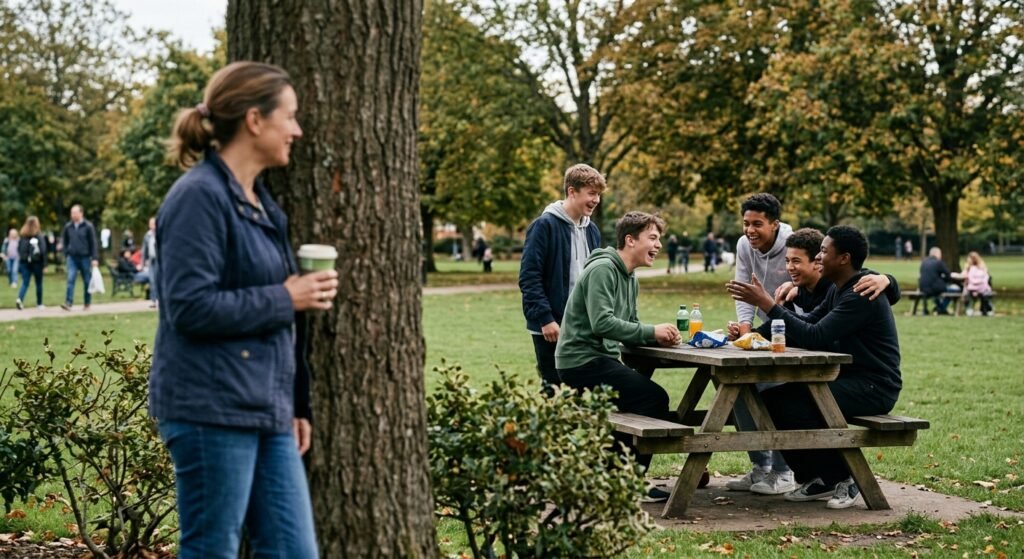
But if you look closely, the person replacing them is deeply fascinating. You might catch them having a conversation with a peer and notice how kind they are when they think you are not watching. You might see them tackle a frustrating math problem or a broken skateboard with a level of resilience you did not know they possessed. These small, unscripted moments are where the real magic of parenting lives. You are no longer just keeping a human alive; you are getting to know a new person.
This transition changes the relationship from something transactional into something relational. You stop thinking about what you need to teach them next and start wondering what they might show you. You begin to realize that the most rewarding part of the journey is not watching your child follow your footsteps, but watching them confidently carve out their own path, even when it leads to places you never expected to go.
The Gift of Wonder
Perhaps we have been looking at our role backward. We often talk about raising children as if we are the ones doing all the active work, guiding them from helplessness to maturity. But maybe the real work of parenting is learning how to step back and marvel at who they are becoming. Maybe our job is not to shape them into the person we think they should be, but to keep the world safe enough for them to discover who they already are.
When we let go of the need to control the outcome, we open ourselves up to a profound sense of wonder. We get to watch a brand-new human being try on different versions of themselves until they find the one that fits. We get to be the safe harbor they return to after they have spent the day exploring their own horizons.
And eventually, you will look across the dinner table or into the rearview mirror and realize that the child you used to carry is gone, replaced by an independent, thoughtful person you genuinely enjoy spending time with. You are not just their parent anymore; you are their witness. And there is no greater privilege than getting to watch them become exactly who they were meant to be.