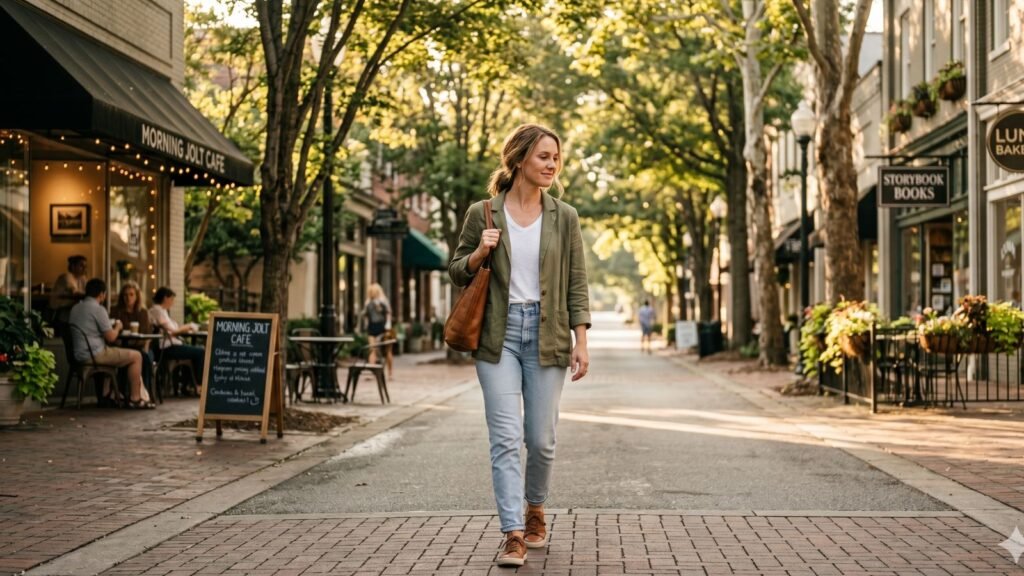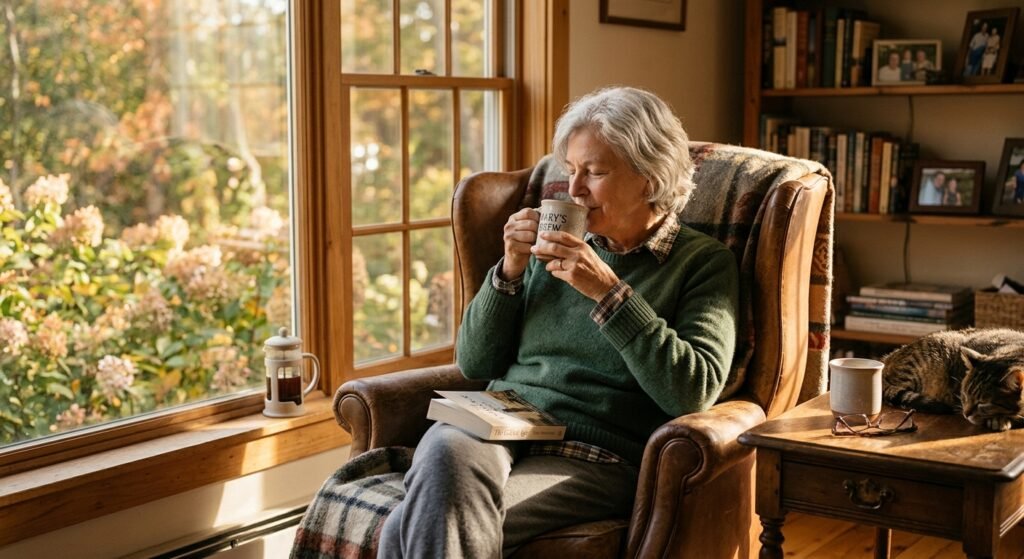
The first Tuesday morning after you stop working, or after you finally step away from the relentless pace of a demanding career, is usually the strangest. You wake up without an alarm, which should feel like a victory, but instead, you find yourself lying there with your eyes wide open at six in the morning anyway. Your body is ready for a race that isn’t happening anymore. You walk down to the kitchen, pour a cup of coffee, and look at a blank calendar. For decades, those empty white squares would have signaled a crisis or a rare holiday, but now they simply represent your life. Instead of feeling a rush of pure joy, you might feel a quiet, unexpected flutter of panic.
We spend almost our entire lives being pointed in directions by clocks on the wall. It starts early with school bells telling us when to sit, when to eat, and when we’re allowed to go outside. Then we transition into the working world, where our days are carved into neat, thirty-minute increments. We learn to measure our value by how much we can pack into those hours. We become experts at matching the speed of everyone around us, rushing through lunches, checking emails late at night, and planning our lives months in advance.
When you suddenly step outside of that machine, the silence can be deafening. Many of us assume that the hardest part of a major life transition will be missing the paycheck or the title. What we don’t expect is how difficult it is to live without the rails. Without a morning meeting to prepare for or a project deadline to meet, a Tuesday can feel like an ocean you’re trying to cross in a rowboat. You find yourself creating arbitrary tasks just to feel like you’ve accomplished something before dinner. You might organize the pantry three times or feel guilty for sitting on the porch to watch the birds at two in the afternoon.
The Unexpected Difficulty of Being Free
It turns out this restless feeling is a very common part of stepping away from structured routines. Sociologists and experts who study how we spend our time have noticed that when we lose our external schedules, we often go through a period of disorientation. Some call it time-use friction. When the external rules disappear, we’re suddenly responsible for generating our own momentum, and that requires a completely different set of emotional muscles. It’s like spending your life training for a marathon only to be told you’re now expected to learn how to dance.
The discomfort comes from the sudden loss of a shared language. When everyone else is rushing, being slow feels almost transgressive. We’ve been taught that busyness is synonymous with worth, so when we step off the carousel, we feel a quiet pressure to justify our existence. We feel like we need to be doing something productive, even if there’s no longer any objective reason to do so. It’s a reminder of how deeply we’ve internalized the schedules of our institutions, and how hard it is to separate our own desires from the expectations of the world around us.
Unlearning the Speed of Others
To find your own rhythm, you first have to unlearn the speed of the world you left behind. For so long, fast was the only setting that felt safe. If you weren’t moving quickly, you felt like you were falling behind. But when you look closely at that old pace, it wasn’t actually yours. It belonged to an employer, a client, a school district, or a cultural expectation.
When you first try to slow down, you might feel a lingering sense of urgency that has nowhere to go. You find yourself checking your phone for messages that aren’t coming, or walking through the grocery store as if you’re in a race. It takes time to realize that this urgency is just a habit. It’s an echo of a life you don’t live anymore. Letting go of that pace isn’t as simple as turning off your alarm. It’s a slow process of teaching your body that it’s safe to rest, even when the sun is still up.
Learning to Listen to the Clock Inside
Slowly, if you let yourself sit with the discomfort of unstructured time, something beautiful begins to happen. You start to notice your own natural patterns. You might realize you write best in the late afternoon, or that your energy peaks around ten in the morning, or that you actually love spending two hours over breakfast when you aren’t rushing to a computer screen.
These small discoveries are the beginning of a different kind of freedom. It’s not the freedom of having nothing to do, which can often feel empty. It’s the freedom of deciding what matters to you on your own terms. It’s about realizing that you don’t have to justify your day to anyone else, not even to the voice in your head that still wants to make a list of achievements before sunset.
Perhaps the real transformation of this season isn’t about learning how to manage your time better. Maybe it’s about finally learning how to trust yourself. We spend so much of our lives waiting for a signal from the wall to tell us when to start and when to stop. But as you step into this new chapter, you might find that the most reliable clock was the one you were carrying inside yourself all along, just waiting for the world to get quiet enough for you to hear it.