You probably remember the exact moment your child climbed into the back seat of the car, pulled their backpack onto their lap, and stayed completely quiet. Usually, the ride home is filled with the sounds of shuffling paper, unfinished snacks, and stories about who did what during recess. But on this afternoon, there is only silence. When you ask how their day was, they look out the window and offer a brief, single word answer that tells you everything you need to know. Something happened between the morning bell and the final dismissal.
It often takes hours, or even days, for the real story to emerge. It doesn’t come out in a dramatic announcement. Instead, it slips out during bath time or right before the bedroom light gets turned off. You learn that a best friend, the person who occupied the center of their universe yesterday, decided to sit at a different lunch table today. Or maybe they simply said, “I don’t want to play with you anymore,” before running off to join a game of tag on the playground.
To an adult, these moments can look like minor playground drama that will blow over by Friday. We want to tell ourselves that kids are resilient, that they make and break connections as quickly as they change their favorite colors. But if you watch their faces closely, you realize that’s not what is happening. For a child, the sudden end of a friendship doesn’t feel like a temporary disagreement. It feels like a fundamental change in how their world works.
The Playground is a Classroom for the Heart
When you are eight or nine years old, your friends are not just people you hang out with after school. They are the mirrors you use to understand who you are. In those early years, children are step by step building an understanding of trust, belonging, and security outside of their immediate family. A best friend is a quiet partnership, a secret society of two, built on shared secrets, imaginary games, and the comfort of knowing there is always someone waiting for you when the recess bell rings.
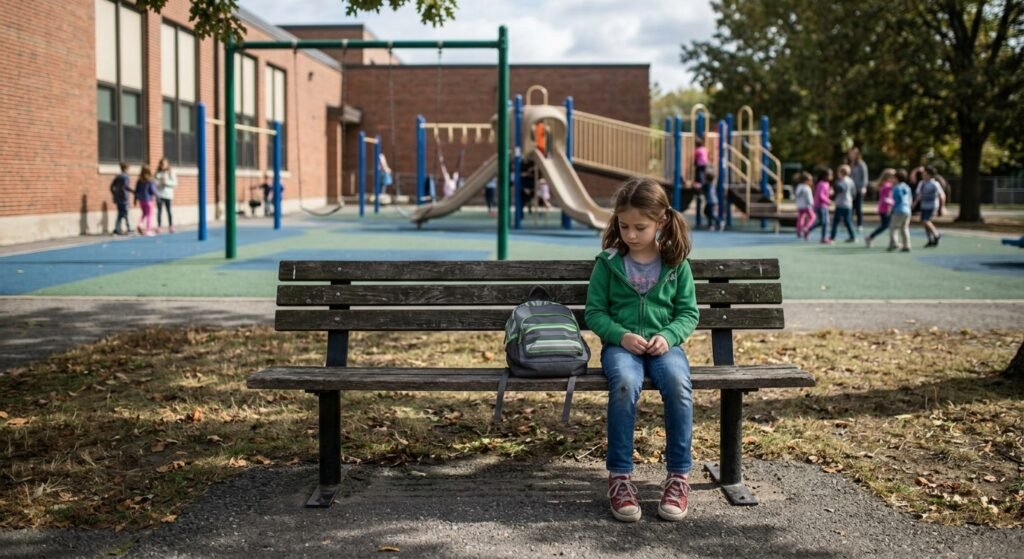
When that bond breaks in the middle of a school day, the pain is deeply real. It is often their very first experience of social loss. Unlike adults, who have years of practice navigating the slow drift of relationships, children do not have the perspective to know that feelings change and new connections will eventually grow. To them, the loss feels permanent and absolute. The classroom that felt safe and welcoming in the morning suddenly feels like a place where they have to hide in plain sight.
We sometimes forget how much courage it takes for a child to walk into a school building when they don’t know where they belong. The cafeteria, which was once a place of comfort, transforms into an obstacle course of social anxiety. Every open seat at a lunch table becomes a question mark, and every group of laughing classmates feels like an exclusive club they no longer have a pass to enter.
Why Childhood Heartbreak Hurts So Deeply
Childhood researchers have looked closely at how young minds process these moments, and what they found is something every parent instinctively knows. The social pain of being left out or losing a close companion triggers the exact same pathways in a young person’s brain as physical discomfort. It isn’t a metaphorical bruise; to their nervous system, it feels like a real one. Their bodies are reacting to the sudden loss of safety that comes from being part of a group.
It’s also why childhood memories of being excluded remain so vivid even decades later. If you close your eyes, you can probably still picture the color of the schoolyard pavement or the exact feeling of standing by the swings while everyone else played together. Those memories stick around because they were our very first encounters with the realization that we can care about someone deeply and still be rejected by them.
When we dismiss these moments as simple phase transitions, we miss the opportunity to meet them where they actually are. They don’t need us to minimize their feelings with cheerful platitudes. They need us to recognize that their small worlds contain real landscapes of grief, and that those landscapes deserve our respect.
The Temptation to Fix the Unfixable
As parents, our immediate instinct is to step in and fix the problem. We want to call the other child’s parents, schedule an awkward playdate, or offer logical solutions. We say things like, “There are plenty of other kids to play with,” or “If they don’t see how great you are, they aren’t worth your time anyway.” We offer these phrases with the best intentions, hoping to shield them from the ache of a broken heart.
But those words often do the opposite of what we intend. When we try to rush them past their sadness, we accidentally tell them that their pain is too much to handle, or worse, that their feelings are wrong. We are trying to solve an emotional puzzle with logic, but childhood heartbreak doesn’t operate on logic. It operates on the sudden, cold realization that someone they trusted chose to walk away.
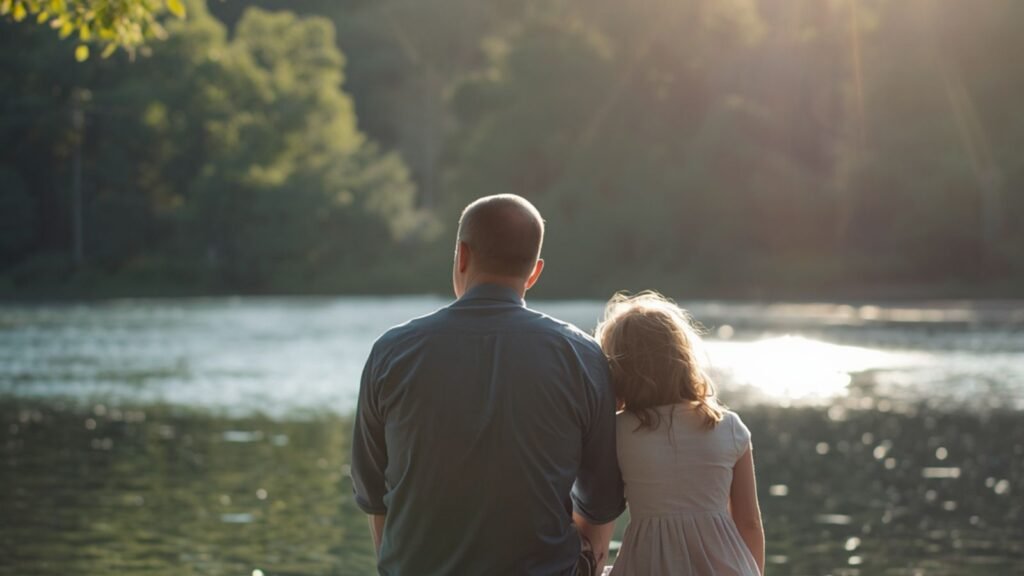
Maybe our job isn’t to fix the schoolyard dynamics or force a reconciliation that isn’t ready to happen. Perhaps our only job is to be the safe harbor they return to when the world outside feels unpredictable. When we sit with them on the edge of the bed and simply say, “I know this hurts, and I’m so sorry,” we give them permission to feel their grief without feeling like they’ve failed.
Finding Safe Ground Together
In the long run, children don’t remember the perfect advice we gave them during their first social setbacks. They remember how it felt to come home to a place where they didn’t have to perform, where they didn’t have to worry about being chosen or left behind. They remember that when their world felt fragile, their home remained solid and unchanging.
These quiet endings in the middle of the school day are very difficult, but they are also the places where children begin to learn the gentle art of looking after their own hearts. They start to discover that even when someone leaves their table, they can still feed their own spirit. They learn that their worth isn’t determined by who chooses to play with them at recess.
And as we watch them navigate these first quiet griefs, we might realize something else. We aren’t meant to protect them from every painful ending, because those endings are a natural part of learning how to love others. Instead, we are there to show them that they can walk through the heartbreak and still emerge whole on the other side. When they look up from their schoolbooks and see us waiting at the end of the day, they realize they were never truly standing alone on that playground.