The Strange Disquiet of the Empty Calendar
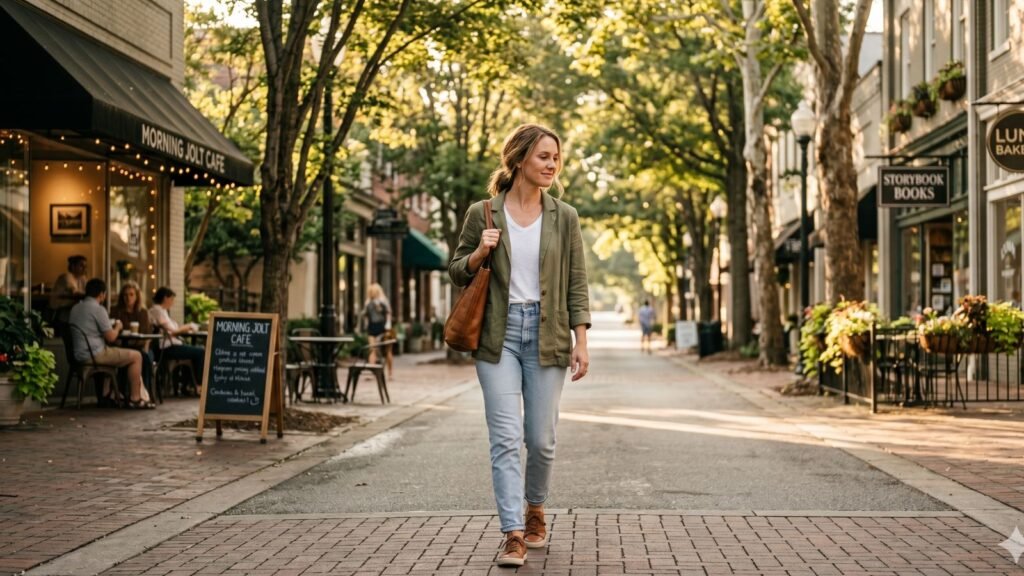
You wake up on a Tuesday morning, and for the first time in decades, the clock on the nightstand isn’t shouting at you. The house is completely quiet. The morning sun stretches lazily across the floorboards. You walk to the kitchen, brew a cup of coffee, and look out at the empty day stretching before you. This is the exact scene you fantasized about during every crowded commute, every endless meeting, and every evening you spent folding laundry at midnight. You finally have all the time in the world to do what you love.
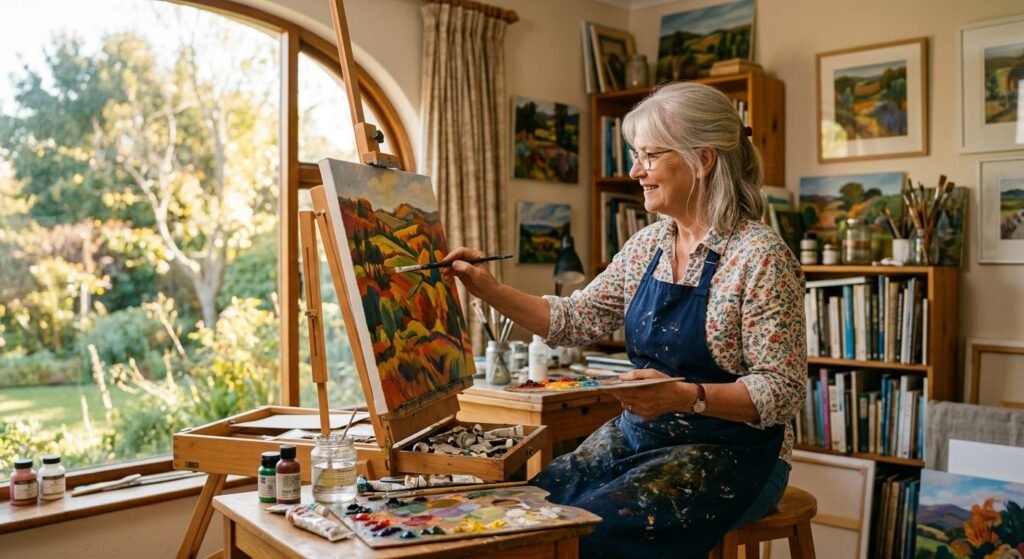
But then, a strange thing happens. You sit down with that book you’ve been meaning to read for years, or you stand in front of the blank canvas you bought last spring, and instead of feeling a rush of creative energy, you feel absolutely nothing. Or worse, you feel a quiet, unsettling restlessness. The silence in the room feels surprisingly loud, and the absolute lack of expectations starts to feel less like a warm embrace and more like a gentle test you aren’t sure how to pass.
The Shield of the Busy Years
For so long, we tell ourselves a story about who we’ll be when we finally have space. We promise ourselves that we’ll write, we’ll garden, we’ll learn a new language, or we’ll finally master that recipe. We treat our busy years as a temporary obstacle to our true selves. But when the obstacle is removed, we sometimes find ourselves standing on the edge of our own lives, feeling strangely out of place. It turns out that unstructured time is its own kind of environment, and navigating it requires a completely different set of skills than the ones we used to survive the rush.
When you spend decades responding to alarms, deadlines, and the constant needs of others, your mind develops a deep familiarity with structure. Experts who study major life transitions have found that when people suddenly lose their external routines, they don’t immediately step into a state of relaxed bliss. Instead, they often experience a period of temporary identity disorientation. Your internal system is still wired for a fast pace. When that pace drops to zero, the sudden stillness can feel less like peace and more like a loss of balance. It’s not that you’ve lost your passion; it’s just that your mind doesn’t yet know how to operate without a finish line.
There’s a subtle bittersweetness to this transition that we rarely talk about because we feel like we aren’t allowed to complain about having freedom. When we’re busy, our schedules serve as a perfect shield. If we aren’t pursuing our creative dreams, we can tell ourselves it’s simply because we don’t have the hours. Busyness protects us from the vulnerability of trying and perhaps finding out we aren’t as good at something as we hoped. It lets us keep our dreams pristine, tucked away in the future where they can never be judged or disappointed.
The Urge to Perform
When you finally have all the hours you wanted, that shield vanishes. You’re left holding the paintbrush, face to face with your own expectations. It’s easy to feel a sudden pressure to make your leisure count. Many people discover that the first few months of freedom are less about doing what they love and more about learning how to exist without a checklist. You might find yourself cleaning the kitchen three times a day, organizing the pantry by color, or running unnecessary errands just to feel a sense of accomplishment. That’s a completely natural response. You’re trying to recreate the familiar feeling of being productive because, for most of your life, your worth was tied to how much you got done.
Allowing yourself to step away from that productivity mindset is a slow process. It requires us to redefine what a meaningful day looks like. A good day doesn’t have to be a day where you painted a masterpiece or read an entire book. Sometimes, a good day is simply one where you sat on the porch, watched the leaves stir in the breeze, and didn’t feel the need to justify your stillness to anyone, including yourself.
Rediscovering Your Own Voice
Eventually, the quiet stops feeling so demanding. The urge to constantly check your phone or look for the next chore begins to fade. That’s when the real rediscovery begins. You start picking up the book not because you have a goal to finish it, but because you’re genuinely curious about the next page. You start working in the garden not to cross it off a list, but because you want to feel the cool soil between your fingers. You find that your passions are still there, but they look different now that they aren’t being squeezed into the margins of a frantic life.
This transition isn’t about suddenly transforming into a brand new version of yourself. It’s about slowly remembering who you were before the world got so loud. It’s about giving yourself permission to move slowly, to make mistakes, and to do things badly just for the joy of doing them without any eye toward a final result.
Maybe the bittersweetness of finally having all the time in the world isn’t a sign that you’ve made a mistake, or that you’ve lost your creative spark. Maybe it’s just the quiet realization that you don’t need to justify your existence with a busy calendar anymore. You don’t have to prove your value by how much you produce, even when you’re doing what you love. The freedom was never about the activities themselves. It was about finally having the space to simply be yourself, at whatever pace you choose, even if that pace is beautifully, quietly slow.