The Freedom We Asked For
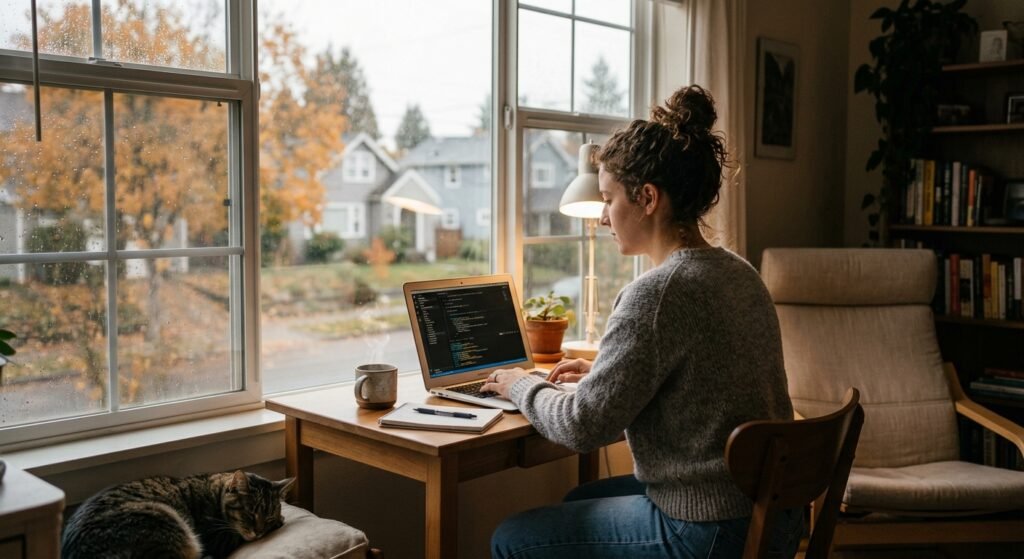
You close your laptop at five o’clock and step into the kitchen. The apartment is quiet. There’s no commute to decompress from, no traffic to navigate, and no evening train to catch. On paper, it’s the exact life you wanted for years. You saved hours of travel, wore comfortable clothes all day, and finished your work without anyone dropping by your desk to interrupt you.
Yet, as the evening settles in, a subtle feeling starts showing up. It isn’t a dramatic kind of sadness that demands attention. It’s much quieter than that. It’s the realization that outside of structured video calls where someone shared a presentation, you haven’t exchanged an unplanned word with another person all day.
When remote work first became widespread, everyone celebrated the time saved. We talked about reclaiming our mornings, eating lunch in our own kitchens, and avoiding office chatter. What nobody warned us about was how much of our everyday social life was actually built on pure accident.
The Small Moments We Discarded
We didn’t schedule the brief chat while waiting for the morning coffee to brew. We didn’t book calendar invites for the quick laugh shared in the hallway, or the quiet nod of recognition from the person behind the deli counter near the station. Those moments just happened because we were physical bodies sharing the same spaces.
In social science, researchers often talk about the value of brief interactions with acquaintances or strangers. Studies continuously show that these small exchanges account for a surprising amount of our daily emotional stability and happiness. They don’t replace our deepest friendships, but they provide a steady background rhythm of belonging. They reassure us that we exist in a living, breathing community.
When you work in isolation, those unscheduled moments vanish completely. Your day becomes entirely deliberate. Every interaction requires a calendar link, an invite, or an intentional message. While that efficiency sounds great for getting tasks done, it leaves very little room for spontaneous connection.
Why Scheduled Socializing Feels So Exhausting
Without those effortless daily encounters, we quietly start putting extra pressure on our personal lives. We expect a Friday dinner with close friends or a Sunday phone call with family to make up for five straight days of digital solitude. We want those few hours to restore a week’s worth of missed social energy.
That’s a lot to ask from a single dinner. When you haven’t had any casual, low pressure conversations all week, jumping straight into deep social plans can feel surprisingly overwhelming. Organizing a gathering takes effort, coordination, and energy you might not have at the end of a long week. So you cancel, tell yourself you’re just tired, and stay inside. The cycle quietly repeats itself.
It’s easy to assume that feeling disconnected means you need better friends, deeper relationships, or a whole new social circle. Often, the gap isn’t at the top of your relational life. It’s at the bottom. It’s the missing layer of ordinary chatter that used to tell your brain, without you even noticing, that you belong to a wider world.
Reclaiming the Unplanned World
Recognizing this quiet disconnection doesn’t mean you need to give up the flexibility of working from home or force yourself back into a cubicle. It simply asks you to notice what was actually lost when convenience became our primary goal.
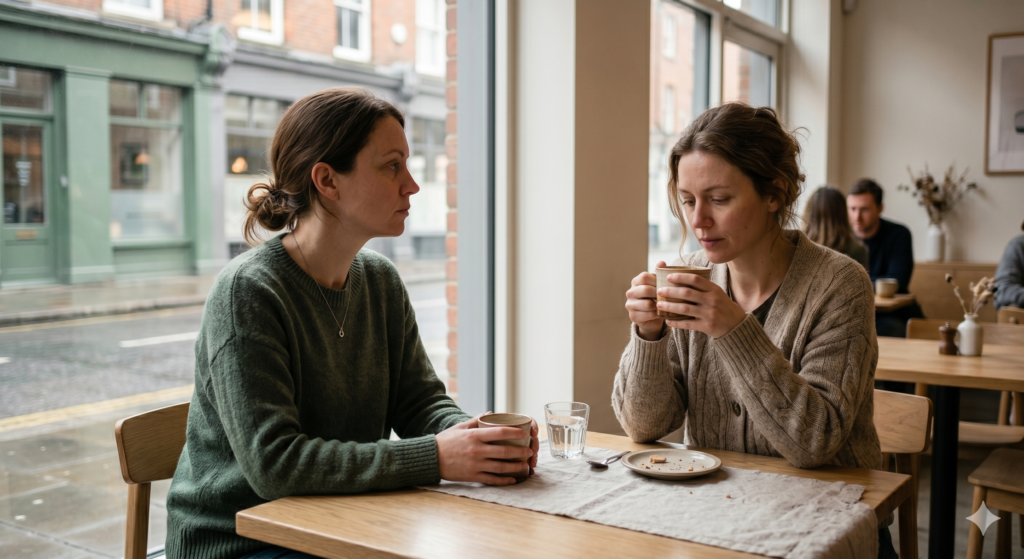
Sometimes the remedy isn’t a major lifestyle change or a crowded weekend event. It’s taking your laptop to a local cafe just to sit among other people. It’s chatting with the barista for thirty seconds, or taking a slow walk around the block during lunch and making eye contact with neighbors walking their dogs. It’s letting yourself exist in places where unpredictable, minor interactions can still happen naturally.
Maybe we never actually missed the crowded offices, the bright fluorescent lights, or the long morning commutes. Maybe what we actually missed was the quiet comfort of existing alongside others without having to plan for it. Realizing that might be the first step toward feeling a little less alone in our own homes.