The Pre Dinner Study Session
Can we talk about this for a second?
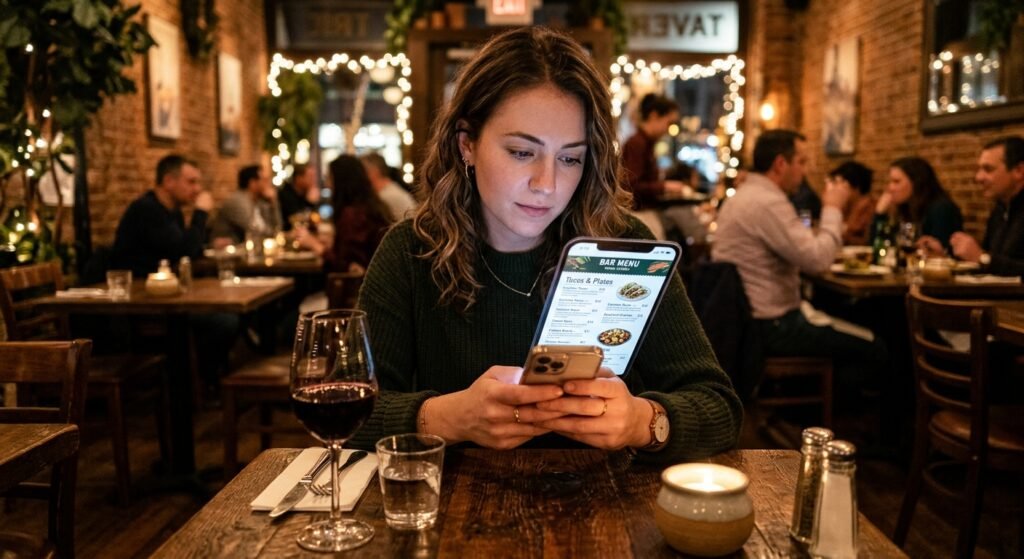
It’s four o’clock on a Tuesday afternoon. Dinner is still three hours away, but you’re already sitting on your couch, holding your phone, and intensely studying the menu of a restaurant you haven’t even walked into yet.
You zoom in on the appetizers. You scroll down to the entrees. You carefully analyze the side options as if there’s going to be a surprise pop quiz the moment you step through the front door. You convince yourself that you’re just doing a quick check to see what they have, but twenty minutes later, you’ve read every single line item twice, including the small text at the bottom about split plate fees.
Somehow this always happens.
Nobody asked you to prepare a full research brief for a simple weeknight dinner. Your friends just suggested grabbing a bite to eat. Yet there you are, mentally comparing the pasta options against the specialty burgers, quietly staging a dress rehearsal for a conversation with a server that hasn’t even happened yet.
The False Sense of Control
For some reason this suddenly feels completely reasonable in the moment. It gives you a sense of order. In a day filled with unexpected email threads, traffic jams, and unpredictable schedules, deciding whether you’re in the mood for roasted chicken or pan seared trout three hours in advance feels like a massive victory. It feels like you’re taking charge of your evening.
By five o’clock, you’ve completely locked in your order. You’ve chosen the starter, selected the main dish, and even picked out a backup choice just in case the kitchen runs out of the risotto. You put your phone away, feeling deeply organized and oddly accomplished.
We all know how this ends.
You arrive at the restaurant, sit down at the table, and the server opens with a sentence that instantly shatters your entire plan. They tell you about the daily specials. Suddenly, a dish that wasn’t even on the website four hours ago enters the conversation. All your careful studying instantly vanishes, and five minutes later, you’re sitting there staring at the physical menu like you’ve never seen words before in your life.
Or worse, you stick strictly to your pre selected plan, order the exact entree you decided on at four o’clock, and then spend the entire evening staring longingly at whatever the person next to you ordered because they took a total risk on the specials.
At Some Point It Stops Being About the Food
The funny part isn’t that we check the menu ahead of time. The funny part is the quiet delusion that reading food descriptions in advance somehow eliminates the mild pressure of deciding what to eat under social supervision.
When you’re sitting at a table with four other people and the server asks if everyone is ready, there’s a tiny moment of stage fright. Nobody wants to be the person who holds up the entire group while flipping back and forth between two pasta dishes. Reading the menu early is our way of avoiding that moment. It’s an attempt to walk into the dining room feeling completely calm and composed, like an expert who always knows exactly what they want.
At some point it stops being about the food entirely. It’s about anticipation. Looking at a menu hours before you eat is really just a low stakes way of building excitement for something pleasant. It lets you sample the dinner in your mind before it even exists. You get to imagine the meal, enjoy the idea of it, and briefly pretend that choosing between garlic mashed potatoes and sweet potato fries is the most important decision you’ll have to make all day.
The Comfort of Tiny Decisions
There’s something genuinely comforting about immersing yourself in small choices. Most of the decisions we make during the day carry real stakes. They come with deadlines, budgets, or complications that linger long after the workday is over. But choosing an appetizer? That’s pure low stakes decision making. If you pick the wrong soup, your life doesn’t change in any meaningful way. You just eat a slightly disappointing bowl of soup and move on.
Browsing through entree descriptions offers a little pocket of pure optimism. You get to visualize a moment in the near future where you’re relaxed, full, and enjoying good conversation over a nice plate of food. It’s a small slice of predictable happiness waiting for you at the end of the day.
So go ahead and check the menu before you leave the house tonight. Zoom in on the dessert section while you’re still sitting at your desk. Double check the burger options during your afternoon break.
You’ll probably change your mind three times before the server even fills your water glass anyway.
And honestly… we all do this.