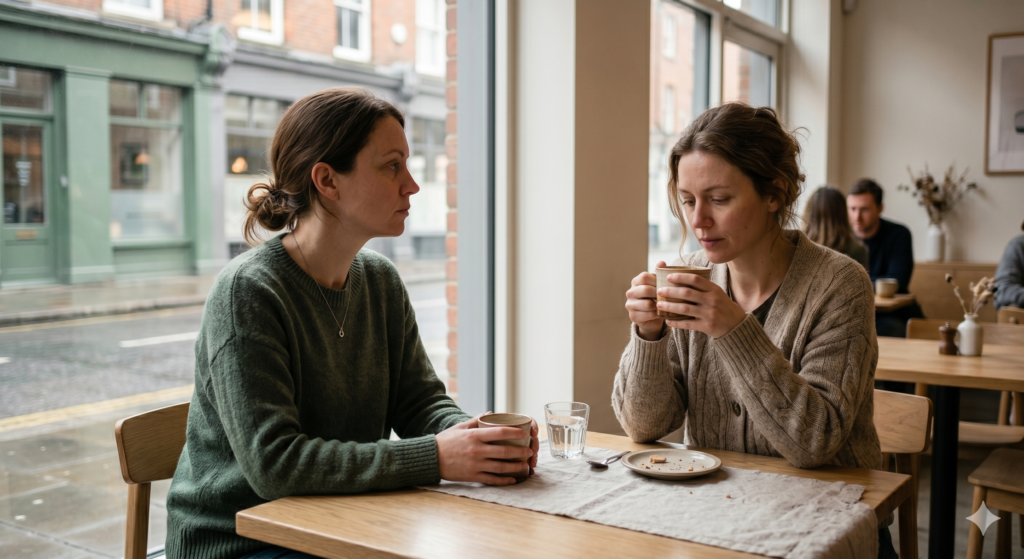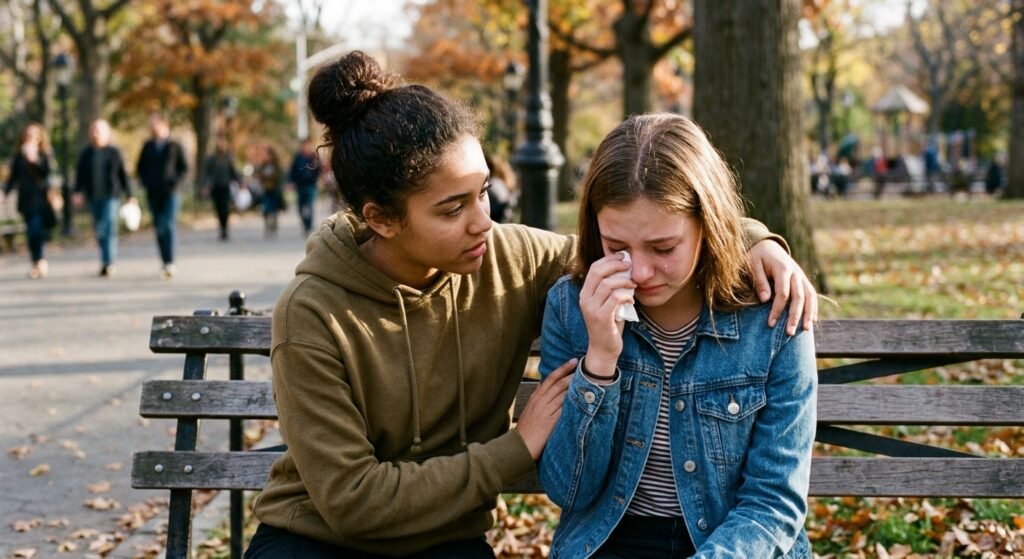
You probably know someone in your life who seems to operate with a quiet kind of grace. When a waiter stumbles or a coworker snaps during a tense afternoon, they don’t respond with anger. They don’t match the irritation in the room. They simply pause, offer a warm expression, and keep their composure intact.
At first glance, it’s easy to wonder how they do it. You might think they’ve led a charmed existence, free from the everyday frustrations that leave the rest of us feeling defensive and tired. You might assume they were just born with a calmer disposition, untouched by the sharper edges of life.
In reality, that’s rarely the case.
Why Softness Gets Misunderstood
In a fast paced world that often rewards sharpness, staying soft is frequently mistaken for weakness. People tend to equate self defense with strength. We celebrate the person who gets the last word in an argument, the one who builds boundaries overnight, or the person who treats life like a series of tactical moves. Cynicism can easily look like wisdom because it promises to protect us from being caught unprepared.
Because of this, soft people are often viewed as naive. Others assume they don’t understand how harsh life can be, or that they haven’t learned how to guard themselves properly. It’s a common misunderstanding. We tend to view protective walls as proof of experience, while viewing open doors as evidence of inexperience.
Psychologists who study emotional resilience often note that true endurance isn’t about becoming unyielding. When people face repeated difficulty, the easiest instinct is to close down. Hardness is often just a secondary reaction to old pain, a quick way to keep disappointment at a distance. True gentleness, on the other hand, requires a high level of self control and emotional awareness because it asks you to stay present even when it feels risky.
Hardness Is Easy, Kindness Is A Choice
Think about the last time someone hurt your feelings or let you down. The immediate impulse is almost always to pull back. You decide to stop caring as much, to text back less, or to meet coldness with coldness. It feels safe. It gives you a sense of control over a situation that felt uncomfortable.
That’s why staying kind isn’t an accident. It’s a daily decision.
The friend who checks in on you when you’ve gone quiet isn’t doing it because they’ve never experienced rejection. They’re doing it because they know exactly how uncomfortable isolation feels, and they’ve decided not to leave you there. The person who listens patiently when everyone else is interrupting hasn’t forgotten their own voice. They’ve simply realized that making room for others is more valuable than demanding attention for themselves.
When researchers examine long term friendships, they repeatedly find that emotional generosity is what keeps relationships grounded over time. It isn’t shared hobbies or perfect agreement that creates lasting connection. It’s the quiet knowledge that you can bring your messiest days to someone without fear of being judged or pushed away.
The Refuge Of A Soft Friend
There is a specific feeling that comes over you when you walk into a room with a truly gentle friend. You don’t have to stand taller than you are. You don’t have to hide your mistakes or pretend that everything is going smoothly. Your shoulders drop a little lower. You breathe a little easier.
That’s because gentle people create a rare kind of safe haven. They don’t ask you to earn your place in the conversation. They don’t treat your vulnerabilities as leverage or store up your bad days for future arguments. In a culture that constantly feels like a performance, being near someone who has nothing to prove feels like finding shelter.
And honestly, that isn’t something that happens by chance. It takes courage to create that kind of space for others. It requires carrying your own unresolved moments without dropping them onto the people sitting across from you.
Rethinking What Strength Means
For a long time, many of us spend our lives believing that growing up means becoming tougher. We assume that as we get older, we’re supposed to get less sensitive, less hopeful, and more cautious with our warmth. We think of maturity as a process of building protection so that nothing can reach us ever again.
Then you watch someone who has survived genuinely painful seasons without letting their heart turn to stone. You watch them choose kindness when they could easily choose bitterness. You watch them stay open, generous, and warm, even when life gives them every excuse to be cold.
And suddenly, you realize you had it backward all along.
Maybe staying soft isn’t a sign that someone hasn’t seen the hard parts of life yet. Maybe it’s proof that they’ve seen them, understood them, and decided that adding more hardness to the world won’t heal anything. Gentleness isn’t what happens when you’re spared from hardship. It’s what happens when you choose not to let hardship decide who you get to be.