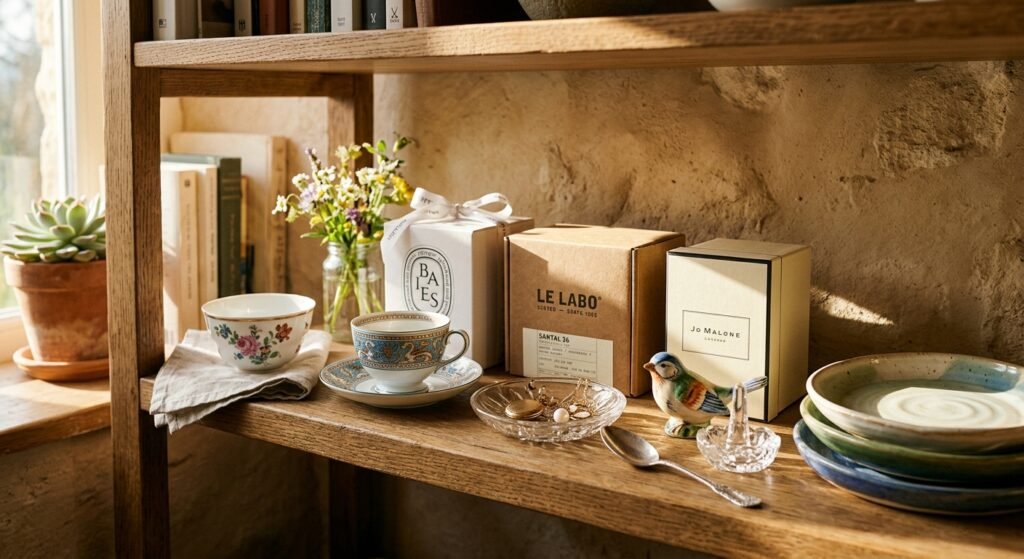
You probably have a cabinet, a drawer, or a shelf somewhere in your home that holds a small, quiet mystery. Maybe it’s a beautifully scented candle with an intact wick, still sitting in its elegant box. Maybe it’s a leather-bound notebook with creamy, blank pages, waiting for thoughts profound enough to deserve them. Or perhaps it’s a stunning dress, a nice bottle of wine, or even a set of fine ceramic mugs you bought on a trip years ago, still wrapped in tissue paper.
We tell ourselves we’re waiting for the right moment. We’re waiting for a special dinner, an important milestone, or a day when we finally feel like we’ve earned the right to enjoy them. But as the months and years pass, those beautiful objects begin to look less like treats and more like museum exhibits. They sit there, quietly gathering dust, while we burn the cheap grocery-store candles and drink out of the chipped mugs we don’t even like.
The Quiet Bargain of the Scarcity Mindset
It’s a strange sort of bargain we make with ourselves. We hoard our best things because we carry a subtle, persistent fear that joy is a limited resource. If we use the nice things today, what will we have left for tomorrow? It feels safer to keep them pristine, locked away in a future that never quite arrives.
Behavioral scientists who look at how people make choices have identified a pattern they call special-occasion habituation. When we look at something we perceive as precious, our minds quietly whisper that once it’s gone, it can’t be replaced. This protective instinct is deeply hardwired into our biology, left over from ancestral times when resources were actually scarce. But when we apply that same survival instinct to a lavender bath salt or a silk scarf, it turns into a quiet form of self-deprivation.
What’s even more interesting is how our minds play tricks on us regarding anticipation. Studies show that while we experience a genuine splash of excitement when we save something for later, that feeling has an expiration date. Over time, the joy of looking forward to something degrades into a burden of expectation. When we finally do open that bottle of wine after seven years of waiting, it has to carry the pressure of all those years of waiting. It can’t just be a tasty drink anymore; it has to be a life-changing experience. Usually, it falls short, not because the wine was bad, but because we asked it to carry too much emotional pressure.
The Illusion of the Perfect Self
When you look closely at this behavior, you start to realize it isn’t really about the objects at all. It’s about a quiet, unspoken belief we hold about ourselves. We think we’re waiting for a special occasion, but what we’re actually waiting for is a version of ourselves who feels worthy of the beautiful thing. We tell ourselves that once we achieve a certain goal, get that promotion, or finally get our lives completely organized, then we’ll be the kind of person who deserves to sit in a beautiful room, burning a luxury candle.
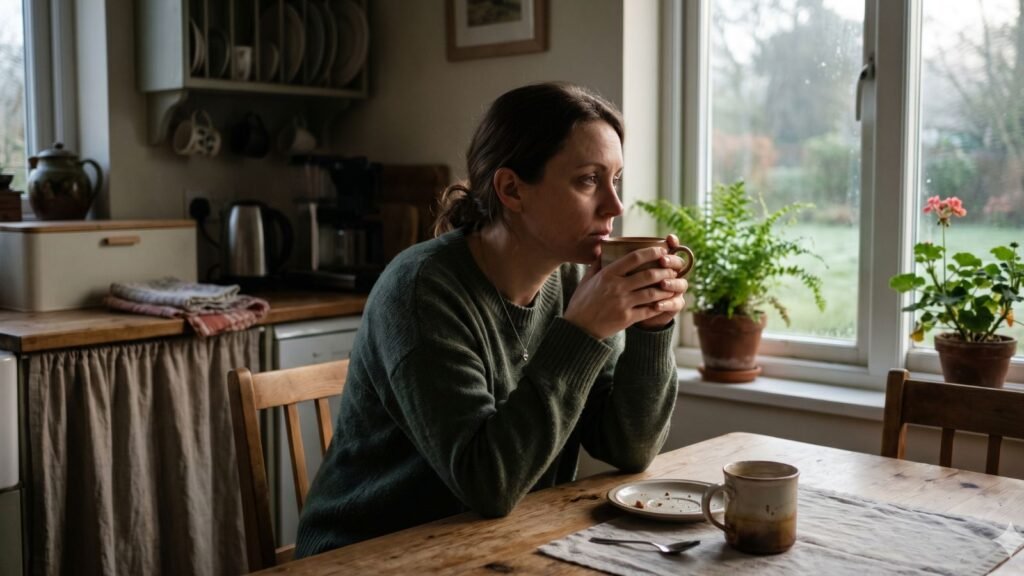
It’s a way of outsourcing our happiness to a future self who is somehow more polished, more successful, and more complete than the person we are today. Meanwhile, the actual person living our lives—the one who survived a difficult week, the one who made it through an ordinary Tuesday, the one who is doing the quiet, everyday work of existing—is left with the chipped mugs and the ordinary routines.
Think about how much of our lives we spend in preparation mode. We’re constantly packing, planning, and saving for the next season. We buy clothes for the body we hope to have next year. We save the good stories for a dinner party that hasn’t been scheduled yet. We treat our lives like a dress rehearsal, always assuming the real show starts later. But the version of you who is living right now is the only one who can actually feel the warmth of that candle or taste the richness of that wine.
The Bravery of Striking the Match
There’s a subtle form of courage in deciding to use the good things on a completely unremarkable day. When you light the candle on a random afternoon while folding laundry, or wear the expensive perfume just to sit at your desk, you’re making a small but profound statement. You’re telling yourself that this ordinary moment, with all its messiness and unfinished chores, is worthy of beauty. You’re deciding that the person you are right now—tired, imperfect, and just trying to figure things out—is worthy of the good stuff.
We often worry that using our treasured possessions will diminish their value. But the opposite is usually true. When we actually use them, we infuse them with the memories of our real, lived experiences. A beautiful notebook filled with messy thoughts, grocery lists, and random ideas is infinitely more valuable than a blank one sitting in a drawer. It becomes a record of a life actually lived, rather than a monument to a life we were too hesitant to start.
Perhaps we aren’t waiting for a special day. Maybe we’re waiting to realize that we don’t need a formal invitation to inhabit our own lives. The future we’re saving everything for is a fiction, but this moment is entirely real. You don’t need to earn the right to enjoy what you have. You don’t need to wait for a milestone to pour the wine, wear the silk, or write on the first page.
The ordinary moments of our lives are not just the space between the special occasions. They are our lives. And when you finally decide to strike that match, you might find that the magic wasn’t in the object at all. It was in your willingness to let yourself experience a little bit of joy right now, exactly as you are.