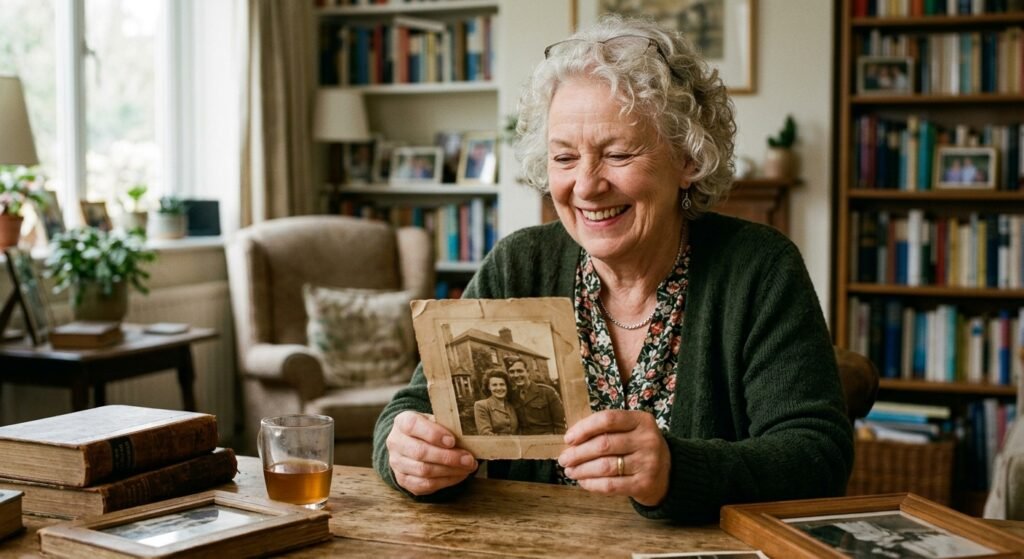
If you look back through your life, you might notice something strange about the memories that stick around the longest.
You probably have pictures from the big occasions. You remember the graduations, the planned family trips, and the milestone birthdays where everyone dressed up and remembered to smile for the camera. You remember those events happened, of course. But when you close your eyes on a quiet evening, those aren’t always the moments that return with the most warmth.
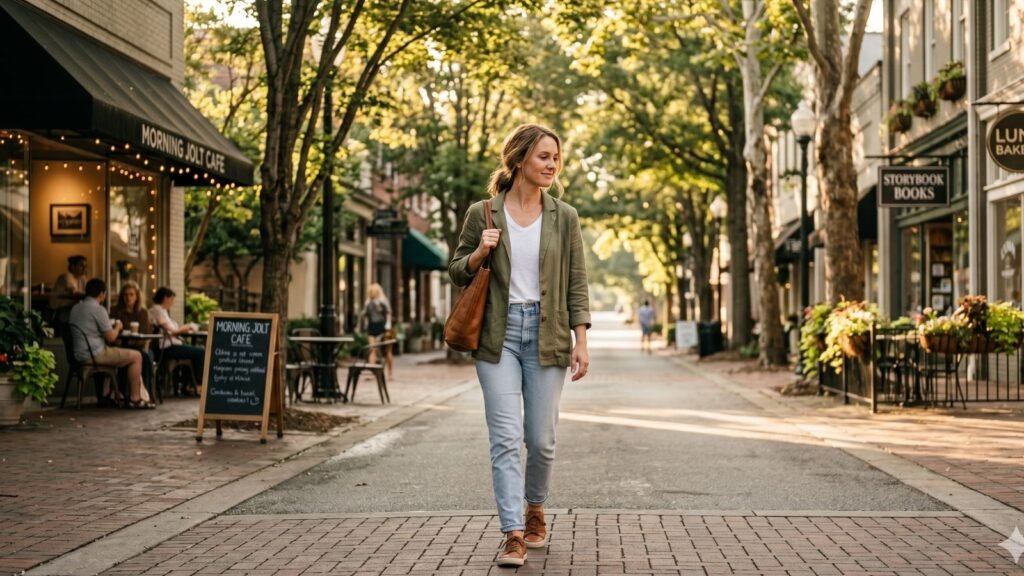
Instead, your mind delivers something completely unscripted. Late afternoon light catching dust in your living room while a friend made tea. The sound of tires on driveway gravel five years ago. A quiet ride home from the store, listening to the radio while nobody spoke. You didn’t write those moments down. You didn’t take a photo. At the time, you didn’t even realize anything special was happening.
Why the Mind Chooses What to Keep
Our memory doesn’t work like a camera, recording every frame with equal clarity. Instead, memory operates more like a person who only paints when something quietly moves them.
When you’re attending a major event, you’re often managing expectations. You’re thinking about how you look, whether things are going according to plan, or what needs to happen next. That kind of subtle performance creates mental work. Your attention is split between living the moment and evaluating it.
Small moments don’t carry that pressure. When you’re sitting on porch steps on a quiet July evening, drinking cold water after mowing the lawn, you aren’t trying to accomplish anything. You aren’t worried about making memories. You’re simply existing. Because your mind isn’t preoccupied with managing the experience, it gets to be fully present.
The Quiet Safety of Being Yourself
Researchers who study memory often point out that emotional recall is deeply linked to feelings of safety and ease. When you feel safe, your nervous system relaxes. You stop scanning the room or trying to manage what others think of you.
That calm space opens a quiet doorway. The subtle sights, smells, and sounds of a room settle into your mind effortlessly. Years later, you might suddenly recall the exact pattern of tile on an old kitchen floor, or the cool morning air coming through an open car window while someone adjusted the heater.
You didn’t choose to save those details. Your mind stored them because, in those exact seconds, you were entirely at ease.
The Meaning of What Was Never Staged
There’s a subtle comfort in realizing that your favorite memories belong to moments you never tried to control.
So much of modern life asks you to curate your experiences. You’re encouraged to capture the sunset, frame the dinner plate, and plan the perfect weekend. But your heart rarely keeps what was staged for an audience. It collects the unscripted leftovers.
It remembers the laughter after a cup dropped on the rug, not the formal dinner party. It remembers sitting on the floor, eating takeout from paper containers because you were both too tired to sit at the table. It remembers the feeling of being known in a room where nobody had to say anything at all.
Maybe that’s the quiet truth about nostalgia. You aren’t actually longing for the big dates on the calendar or the milestones you worked so hard to achieve.
Maybe you’re longing for the times when you were present enough to simply let life happen around you without trying to fix it, record it, or turn it into something grand.
Those small moments stay with you not because they meant something to the outside world, but because they were the quiet spaces where you were completely, comfortably yourself.