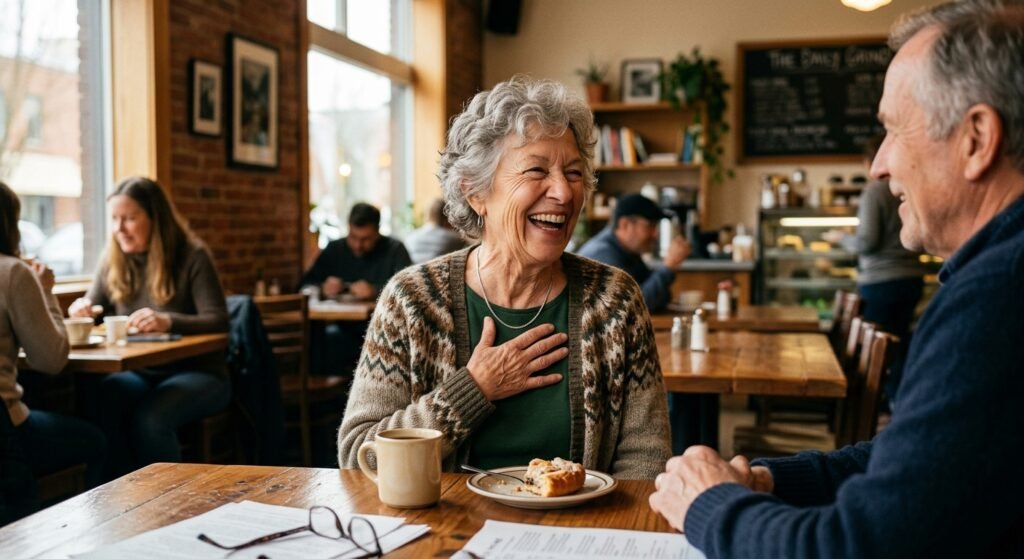
p>Think about the people in your life who always seem to draw a crowd at a social gathering without ever raising their voice. They aren’t usually the youngest people in the room, nor are they the ones trying the hardest to impress everyone with their accomplishments or their appearance. Instead, they possess a quiet, magnetic quality that makes you want to pull your chair a little closer. They tell stories that wander in unexpected directions, they ask questions that make you stop and think, and they seem entirely comfortable in their own skin.
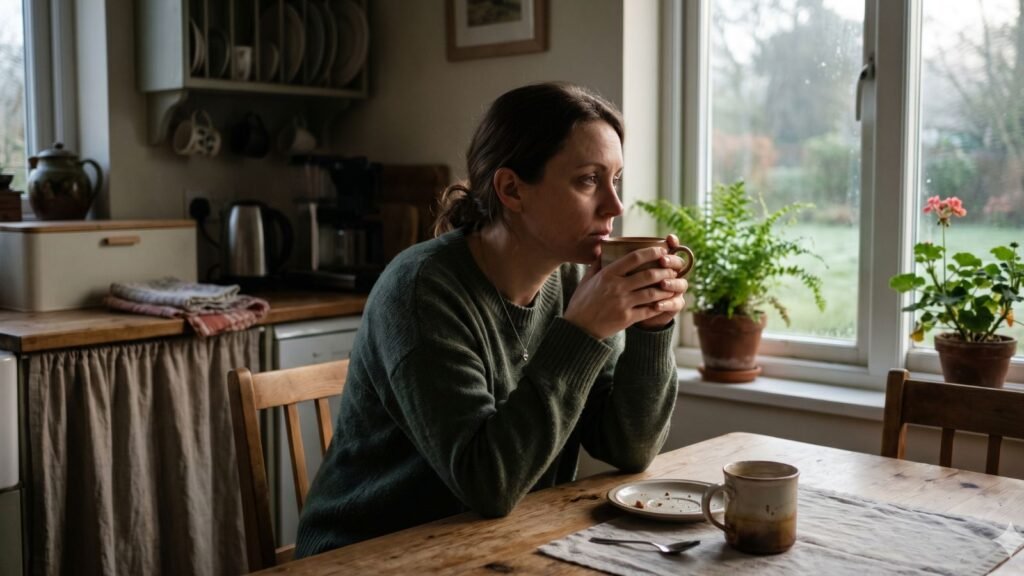
When you look back at your younger self, you might remember a constant, quiet pressure to fit in. You wore the acceptable clothes, laughed at the right jokes, and tried to build a life that looked sensible from the outside. You spent so much energy trying to edit yourself so you wouldn’t stand out too much or make anyone uncomfortable. It was an exhausting way to live, but it felt necessary at the time.
But then, something beautiful begins to happen as the years pass. The need to perform starts to quiet down. You stop worrying so much about whether you are doing life correctly and start focusing on what actually interests you. It turns out that the most captivating people aren’t the ones who followed the rules perfectly, but the ones who eventually decided to stop playing the game altogether.
The Art of Shedding What Doesn’t Belong
In the study of adult development, there is a beautiful idea that the second half of life is about subtraction rather than addition. In our younger years, we spend our time gathering things like credentials, relationships, possessions, and social approval. We pack our schedules and our minds with what we think we’re supposed to want. But as we grow older, we start realizing that much of what we gathered was never ours to keep.
Researchers who study adult development often point to this transition as a period of profound growth. Studies in personality psychology show that as people age, they frequently experience an increase in emotional stability and life satisfaction, but they also show a surprising capacity for creative thinking. This isn’t because their brains suddenly changed, but because they stopped letting fear run the show. When you are no longer terrified of making a mistake or being judged, your mind becomes a much more playful, adventurous place.
This freedom changes how you talk, how you listen, and how you show up in a room. You stop offering polished, safe answers and start sharing the real, beautiful complexity of your experiences. That’s why conversations with older friends often feel so refreshing. They aren’t trying to sell you a version of themselves; they’re just offering you who they are.
Curiosity Becomes the New Currency
There is a common belief that getting older means settling into rigid routines and closed minds. But if you look closely at the most interesting people in your life, you’ll find the exact opposite is true. Their worlds actually get wider because they replace judgment with curiosity.
When you’re young, you often feel like you have to know everything. You need to have the right career path, the right opinions, and the right answers to prove your worth. But there is a wonderful relief that comes with admitting you don’t know it all. Older, vibrant individuals have usually reached a point where they are far more interested in learning than in being right. They read widely, they listen deeply, and they are genuinely fascinated by the experiences of others.
This quiet curiosity is highly attractive because it creates a safe space for everyone else. When you sit with someone who is genuinely interested in the world, you don’t feel the need to defend your opinions or prove your success. You simply feel invited to explore along with them. They show us that growing older doesn’t mean shrinking; it means having more room inside yourself for the things that actually matter.
The Freedom of Being Unfinished
Perhaps the most comforting thing about watching people grow more interesting as they age is realizing that we never actually have to reach a final destination. The culture often tells us that our best years are behind us once we pass a certain milestone, but that perspective misses the entire point of a lived life.
We often think of aging as a process of slowly fading, of losing our sharpness or our relevance. But maybe it’s actually the opposite. Maybe we don’t fade at all. Maybe we finally stop trying to blend into the background and start showing up in our true colors.
When you see someone who has embraced this journey, it gives you a quiet sense of hope. You realize that you don’t have to have everything figured out right now. The quirks you try to hide, the unusual interests you keep to yourself, and the unique ways you see the world are the very things that will make you fascinating later on. You are not running out of time; you are simply preparing for the version of yourself that is still waiting to arrive. And honestly, that person is going to be well worth the wait.