You’re standing in line at the local coffee shop when the person in front of you accidentally spills a few drops of their drink on your shoe. Before they can even finish apologizing, you’re already smiling, waving your hand dismissively, and saying, “Oh, don’t worry about it at all, it’s totally fine! Honestly, I do things like that all the time.” Your voice is warm, your eyes are kind, and you genuinely want them to feel comfortable. You walk out of the door feeling like a patient, generous member of the community.
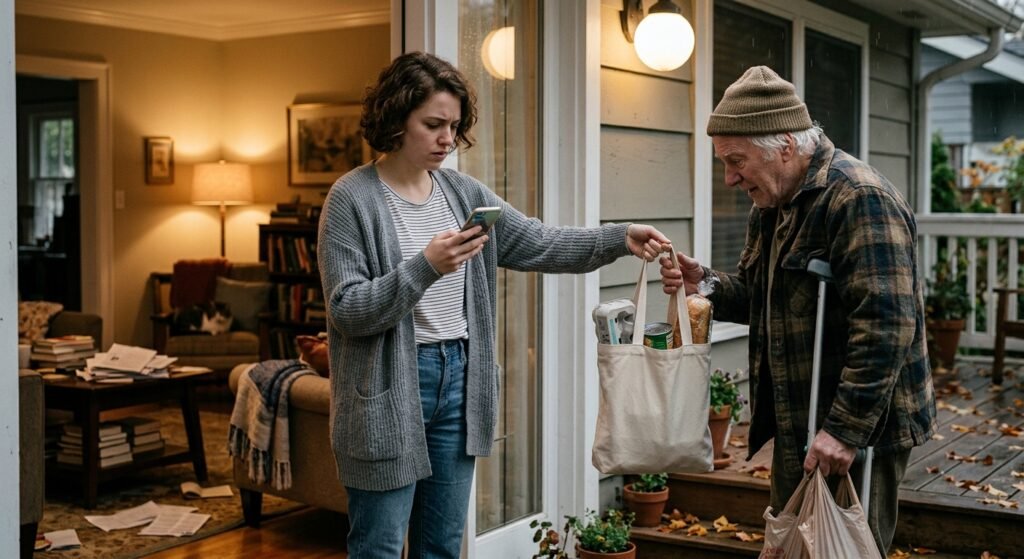
Twenty minutes later, you walk through your front door. You’ve had a long day, your shoulders are tight, and you’re ready to slide into the evening. As you step into the kitchen, you notice a glass left on the counter right next to the dishwasher, or perhaps your partner asks if you remembered to pick up the mail. Instantly, that gracious, smiling person from the coffee shop is gone. In their place is someone who sighs deeply, rolls their eyes, and responds with a sharp, irritable tone that makes the room feel cold. Why is it that the stranger who spilled coffee on your shoe received your absolute best, while the person who shares your life received your absolute worst?
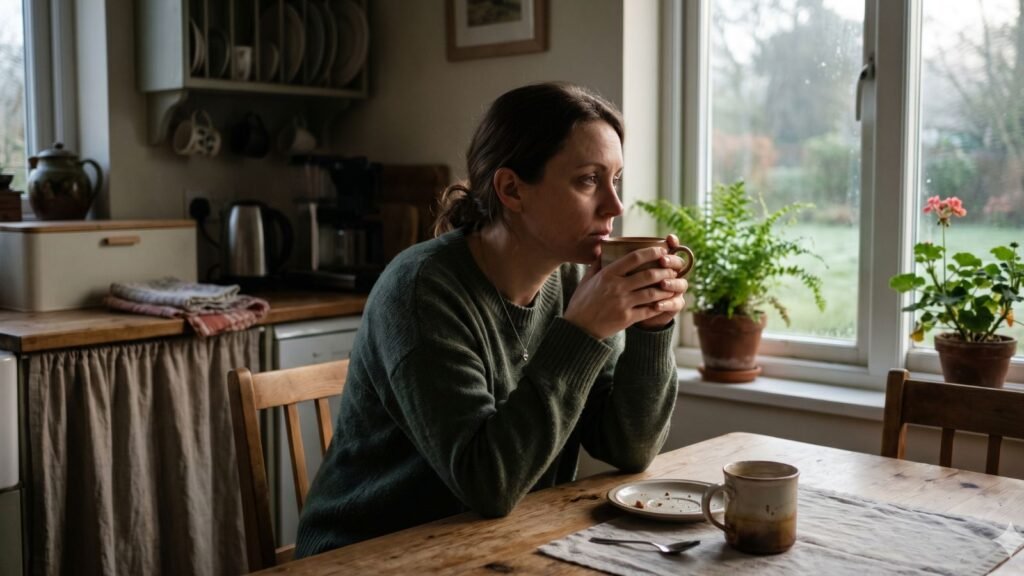
It’s an uncomfortable pattern that many of us recognize but rarely like to admit. We spend our days giving away our patience, our smiles, our active listening, and our social graces to people we might never see again. We nod politely at colleagues who interrupt us, we offer sweet reassurance to the cashier who makes a mistake, and we listen intently to acquaintances we barely know. Yet, when we return to the people who actually matter most to us, we often arrive with nothing left but our exhaustion, our silence, and our irritation. It feels backward, almost unfair, that the people we love most are the ones who get our emotional leftovers.
The Cost of Performing for the World
This dynamic isn’t born out of a lack of love. In fact, it often comes from a place of deep security, even if that security is slightly misplaced. When you are out in the world, you are constantly on display. You are keeping up appearances, managing impressions, and working to keep your social standing secure. You know that if you snap at a coworker or lose your temper with a barista, there will be immediate consequences. There’s a subtle pressure to perform, and that performance requires a massive amount of self-control.
Studies on self-regulation suggest that our capacity for patience is like a physical muscle that tires out over the course of a day. Every time you hold back a sharp remark at work, smile through a boring meeting, or politely navigate a difficult conversation, you are draining that inner reservoir of patience. By the time you reach your front door, that reservoir is completely empty. You have spent all your emotional currency on people who don’t actually know you, leaving you bankrupt when you finally sit down with the ones who do.
Psychologists who study relationship dynamics often talk about a concept known as restraint collapse. It’s the idea that we can only hold ourselves together for so long before we need a safe place to fall apart. For many of us, home is that safe place. But because we run out of regulatory strength by dinner time, the transition from public performance to private reality can be incredibly rocky. We aren’t trying to be unkind; we are simply out of the fuel required to be kind.
Why Home Feels Like a Safe Zone for Our Worst Selves
There’s also a strange, paradoxical safety in being at home. We know, on some level, that our partners, our children, or our parents love us unconditionally. We trust that they won’t abandon us just because we had a bad day or spoke in an irritated tone. Because we feel secure in their affection, we unconsciously decide that we don’t have to perform for them. Home becomes the place where we can finally stop trying, drop the act, and let our guard down. But sometimes, in letting our guard down, we also let our worst habits run free.
We treat our homes as recovery wards rather than living rooms. We walk in, collapse onto the couch, and treat our family members as background characters in our personal recovery process. We assume they will understand because they love us, but we forget that even the most resilient relationships can slowly erode under the constant pressure of receiving only our scraps. When we constantly present our partners with our exhaustion and our irritation, we make them pay the price for a world they didn’t create.
It’s worth asking what would happen if we started treating the people at home with the same basic courtesy we offer to strangers. We don’t have to be perfect, nor do we need to pretend that we aren’t tired after a long day. But there’s a profound difference between sharing our fatigue and dumping it. When we share our tiredness, we say, “I’ve had a really exhausting day and I don’t have much energy, but I’m glad to be here with you.” When we dump it, we simply walk through the door with a cloud over our heads and expect everyone else to navigate around our bad mood.
Giving Our Best, Not Our Leftovers
Perhaps the real realization isn’t that we should simply force ourselves to be friendlier when we’re tired. It’s something much gentler, yet much more profound. Maybe we don’t treat those at home poorly because we love them less, but because they are the only ones we trust to see us when we have nothing left to give. Yet, at the same time, they are also the ones who most deserve the version of us we so freely give to everyone else. The security of unconditional love isn’t meant to be a license to offer our worst selves; it’s a safe harbor meant to help us rest so we can give them our best.
Next time you find yourself about to snap at someone in your living room over something small, it might help to pause and think of that stranger in the coffee shop. If you could find a warm smile and a patient word for someone you will never see again, you can surely find a tiny pocket of that same grace for the person who holds your heart. After all, the people who wait for us at home aren’t just there to witness our recovery. They are the very reason we want to recover in the first place.