You find yourself standing in the middle of the grocery store, staring at a wall of pasta sauces, feeling completely lost. You’ve known this aisle your whole life, but today, every choice feels remarkably high-stakes. A friend has just suffered the most devastating loss imaginable—the loss of their child—and you have no idea what to say. Every text message draft you’ve written feels too small, too empty, or too fragile to carry the scale of their pain. So, instead of trying to find the perfect words, you grab a basket and decide to make them dinner.
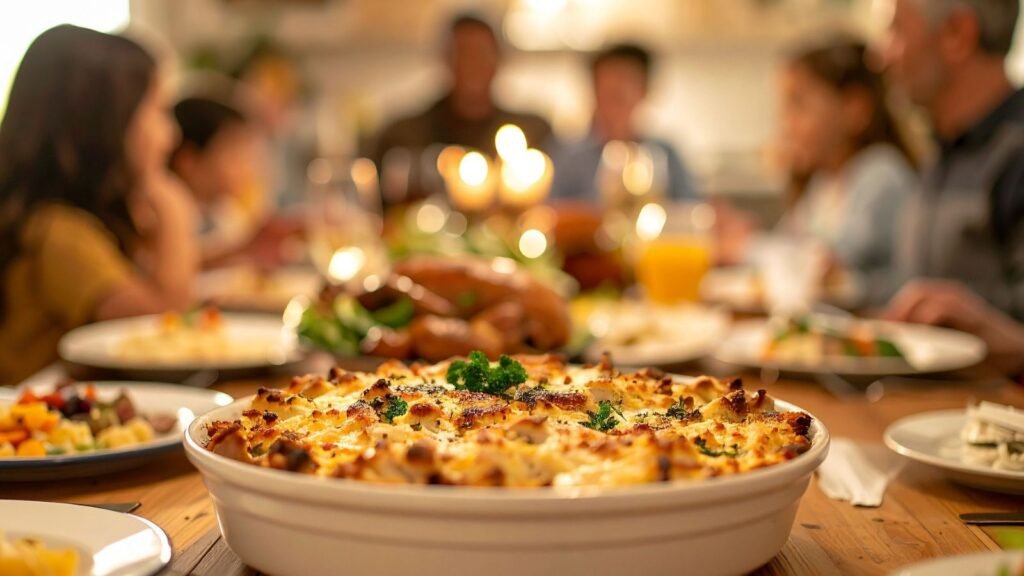
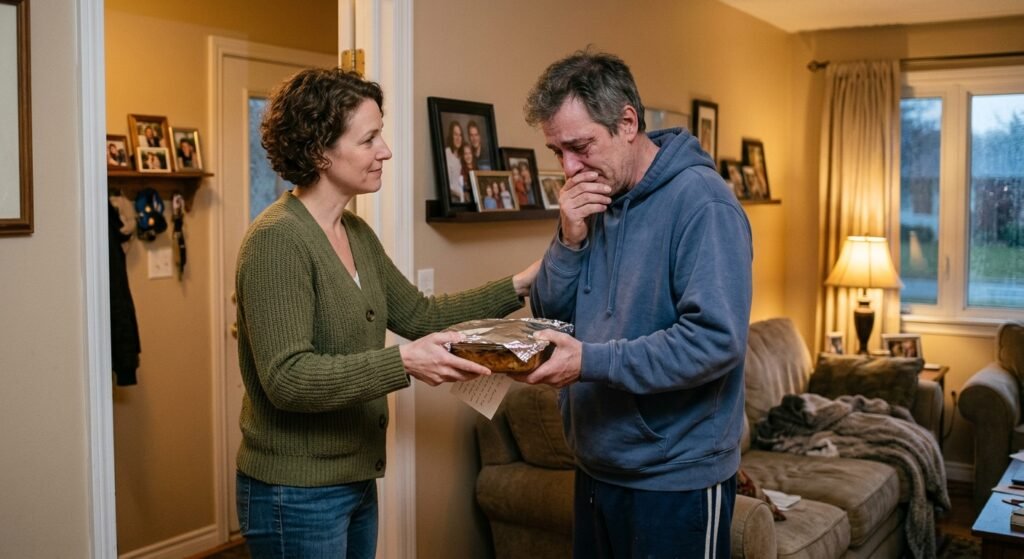
It’s a scene that plays out in kitchens and supermarkets every single day. When the worst happens, our immediate, almost instinctual response is to cook. We boil pasta, we roast vegetables, we pack glass containers with soup, and we cover casseroles in aluminum foil. We do this not because we think a home-cooked meal will cure their broken heart, but because standing over a stove is one of the few ways we know how to channel our own feelings of helplessness into something tangible.
In those moments, cooking becomes a form of silent translation. It takes our love, our sorrow, and our desperate wish to ease their burden, and turns them into something warm that can be held in two hands. It’s our way of showing up when we know that knocking on their door and asking them to talk might be too much for them to bear.
The Silent Hardship of Daily Life
When someone is submerged in deep grief, the world outside their door continues to move at its usual brisk pace. Cars drive by, mail arrives, and the sun rises and sets. But inside their home, time stands still. The most basic tasks of daily existence, things that once required zero conscious thought, suddenly feel like climbing a mountain. Deciding what to eat, chopping an onion, or even opening the refrigerator can feel completely overwhelming.
Grief researchers often point out that profound loss causes a sort of cognitive overload. The mind is so busy trying to process the shocking new reality that it simply runs out of energy for anything else. Deciding on a meal requires planning, focus, and a future-oriented mindset that a grieving parent just doesn’t possess in those early weeks. When you bring someone a meal, you aren’t just saving them a trip to the store; you’re pausing the demanding logistics of survival so they can simply breathe.
By delivering a pre-made dish, you remove the entire mental sequence of cooking. There is no need to plan, no need to prep, and no dishes to wash. You’ve quietly handled one small piece of their day so they don’t have to face the cold reality of a quiet, empty kitchen.
Food as a Witness to Pain
There is a unique intimacy to feeding someone who is hurting. When we feed a baby, or cook for a partner, or bring a meal to a sick neighbor, we are participating in an ancient tradition of care. Food is the very substance of life, and offering it to someone who has experienced a devastating loss is a quiet way of saying, “I know staying here in this world feels immensely difficult right now, but I want you to survive.”
This gesture is particularly meaningful because it asks for nothing in return. When you leave a cooler on a porch or drop off a container with a quick note that says, “No need to reply,” you are giving them permission to stay exactly where they are. You aren’t asking them to put on a brave face, to host you, or to explain how they’re holding up. You are simply witnessing their pain from a respectful distance and offering a small, warm anchor to the present moment.
It’s a way of standing in the dark with them without trying to turn on a light they aren’t ready to see. Often, well-meaning people try to offer comfort through platitudes or silver linings, hoping to soften the sharp edges of grief. But those who have walked through deep sorrow know that those words can sometimes feel isolating. A simple bowl of soup makes no such demands; it simply sits quietly on the counter, ready when they are.
A Different Kind of Nourishment
As time passes, the initial rush of support inevitably begins to quiet down. The phone stops ringing quite as often, the visitors slowly return to their own routines, and the grieving family is left to navigate the long, quiet path ahead. It’s during these later weeks and months that a simple delivery of food can feel even more profound. It proves that they haven’t been forgotten, and that their loss is still being carried in the hearts of those around them.
Perhaps the real beauty of cooking for a grieving friend isn’t about the food itself at all. We often worry that our quiet gestures are too insignificant, or that we aren’t doing enough to help them heal. We want to find the perfect sequence of words that can somehow make the tragedy make sense. But maybe the food was never meant to fix the pain.
Maybe the realization is that we don’t bring meals to make them feel better, because some losses can never be made better. We bring them because it’s a silent, tender way of saying, “I see you, I know you are hurting, and you don’t have to carry the entire world by yourself today.” In the end, your presence, wrapped in a simple glass dish, is the most meaningful comfort you can possibly offer.