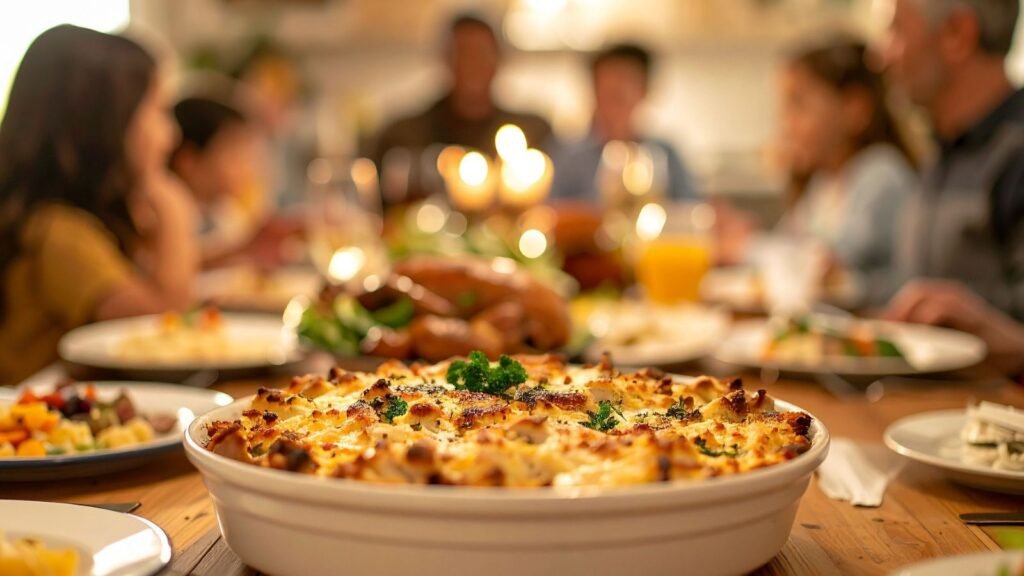
Have you ever eaten something that stopped you in your tracks? Most people have at least one food that instantly takes them on a journey unlike anything they’ve ever experienced before. They end up on a journey that takes them back through time, often landing someplace that feels warm and familiar.
It might be a bowl of soup, a holiday recipe, a particular dessert, or something so simple that it almost feels silly to explain to anyone else. The moment the smell appears, or when the first bite lands, something changes inside you—not because the food itself is extraordinary, but because it carries an entire collection of memories that have been quietly waiting beneath the surface.
What’s fascinating is that comfort foods are rarely chosen based purely on taste. If flavor were the only thing that mattered, everyone would probably select the same meals. Instead, comfort foods tend to be deeply personal. They are connected to childhood kitchens, family traditions, favorite people, and moments that felt safe long before anyone realized they would become memories.
That’s why two people can eat the exact same meal and have completely different experiences. One person enjoys dinner. The other person briefly revisits an entire chapter of their life. And honestly, that’s part of what makes food so powerful.
Memory Has A Favorite Ingredient
One of the reasons food becomes emotionally significant is because it often shows up during moments that matter. Family gatherings happen around meals. Celebrations involve food. Comfort arrives with food. Some of our earliest experiences of care involve someone preparing something for us when we’re tired, when we’re sick, when we’re overwhelmed, when we’re heartbroken, or simply when we’re hungry after a long day.
Over time, the brain starts connecting those experiences together. The smell of fresh bread may become connected to a grandparent’s kitchen. A favorite casserole may become connected to family dinners after school. A particular dessert may forever remind you of birthdays, holidays, or people who are no longer here. The food becomes a container for something much larger than itself.
That’s why comfort foods often show up when life feels uncertain. When people are stressed, overwhelmed, homesick, or emotionally exhausted, they aren’t necessarily looking for a meal. They’re looking for familiarity. They’re looking for a feeling. They’re looking for a reminder of a time when life felt safe, predictable, or connected.
Food simply becomes the doorway that helps them find it.
Sometimes You’re Really Missing A Person
One of the most emotional parts of food nostalgia is realizing that certain recipes aren’t actually about recipes at all. What you’re often missing is the person who made them. The meal becomes inseparable from the hands that prepared it, the voice that called everyone to the table, or the family traditions that surrounded it.
You see this happen after loss all the time. Someone spends years trying to recreate a parent’s soup, a grandmother’s pie, or a holiday dish that never tastes exactly right. They follow the instructions carefully. They use the same ingredients. They cook it exactly the way they were taught. Yet something still feels missing.
That’s because the missing ingredient was never written down. It was the person.
The laughter in the kitchen. The conversation across the table. The feeling of being gathered together with people who felt permanent. The recipe remains, but the experience attached to it has changed, which is why certain meals can feel both comforting and heartbreaking at the same time.
Food Is One Of The Ways We Tell People We Love Them
If you pay attention, you’ll notice that food shows up in many of the ways people care for each other. Someone brings a meal after a baby is born. A neighbor drops off cookies during a difficult week. A parent makes a favorite dinner after a hard day at school. A friend arrives with takeout after a breakup because they don’t know what else to do.
Those gestures may seem simple, but they communicate something deeper than nutrition. They communicate presence. They communicate care. They communicate, “I thought about you.” Long before most people learn how to speak openly about emotions, they learn how to express affection through acts of service, and food often becomes one of the most common languages.
That’s part of why food memories remain so vivid for decades. They’re connected to moments when people felt cared for. The meal itself may fade from memory, but the feeling tends to stay. And feelings have a remarkable way of lingering.
Not Every Comfort Food Is About Childhood
Although many comfort foods come from childhood, that’s not always the case. Some comfort foods are connected to adulthood. They remind you of the first apartment you lived in, the city you moved to after college, the person you fell in love with, or the traditions you created for yourself after leaving home. Life keeps adding layers to those associations as the years pass.
That’s one of the beautiful things about getting older. You don’t stop creating emotional memories around food. New experiences continue to be added to the collection of memories. The dinner parties. The vacation meals. The recipes you learn from friends. The foods your own children eventually associate with you.
Without realizing it, you’re becoming part of someone else’s nostalgia. The meals you’re making today may someday become the foods another person remembers when they’re looking for comfort years from now. This is a simple, yet meaningful way we connect with others.
Maybe Home Was Never A Place
When people talk about comfort food, they often describe it as tasting like home. But if you listen closely, home rarely sounds like a physical location. Home sounds like belonging. Home sounds like familiarity. Home sounds like feeling accepted, known, cared for, and connected to something larger than yourself.
That’s why comfort foods can travel with you even when everything else changes. People move across the country, change careers, build new families, and begin entirely new chapters of life, yet certain recipes continue carrying pieces of their history with them. The food becomes a bridge connecting different versions of themselves across time.
And maybe that’s why comfort foods matter so much. Not because they’re extraordinary meals. But because they’re reminders. Reminders of people who loved us. Places that shaped us. Traditions that grounded us. Moments that mattered more than we realized while they were happening.
Every now and then, all it takes is a familiar smell from the kitchen to bring those memories rushing back. And for a few minutes, as brief as it is, it feels a little like coming home.