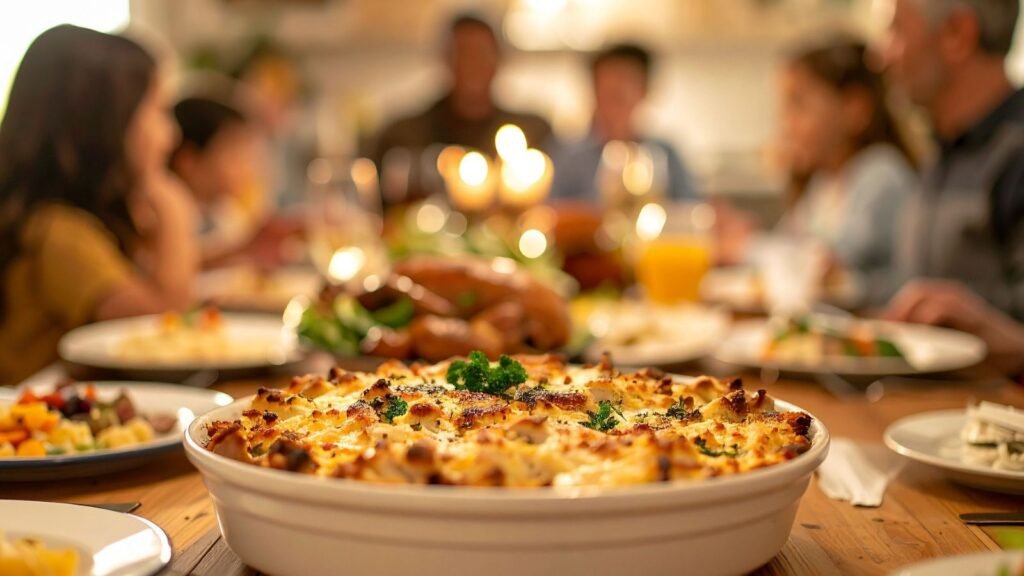
Do you grab the same food whenever you’re sad? Most people have a meal that they return to when life feels overwhelming. It might be soup, pasta, grilled cheese, mashed potatoes, takeout from a favorite restaurant, or a recipe they’ve made so many times they no longer need to look at instructions.
The food itself isn’t necessarily extraordinary. In fact, comfort foods are often surprisingly simple. Yet somehow they become the meals we reach for when we’re exhausted, stressed, heartbroken, worried, or simply trying to make it through a difficult week. The simple act of grabbing the same familiar food becomes your unspoken lifeline.
What’s interesting is that these cravings rarely arrive because we’re searching for culinary excitement. During challenging periods, most people aren’t looking for novelty. They’re looking for familiarity. They’re looking for something predictable in a moment that feels unpredictable. The meal becomes less about satisfying hunger and more about creating a small sense of stability when everything else feels uncertain.
That’s why comfort foods tend to stay remarkably consistent throughout life. People often return to the same handful of meals over and over because the emotional experience attached to them remains just as important as the taste itself.
And honestly, there is something deeply human about that.
Familiarity Has A Calming Effect
Humans are wired to seek familiarity, especially during periods of stress. When life becomes uncertain, the brain naturally begins looking for things that feel known, predictable, and safe. Familiar routines become comforting. Familiar people become comforting. Familiar places become comforting. Food is no exception.
That’s part of why people often return to meals they’ve been eating for years. The recipe doesn’t require much thought. The outcome is predictable. The flavors are familiar. There are no surprises waiting at the end of the process. In a season where everything else feels uncertain, that consistency can feel surprisingly reassuring.
The meal itself becomes a small reminder that not everything is changing at once. Some things remain steady. Some things remain recognizable. Some things continue showing up exactly as expected, and that predictability can provide more comfort than people realize. Especially on days when comfort feels difficult to find anywhere else.
Sometimes The Food Reminds You Who You Are
One of the less obvious reasons comfort foods matter is because they often carry pieces of personal history. Certain meals become attached to specific chapters of life, particular people, family traditions, or moments that helped shape who you became. Years later, preparing those foods can feel a little like reconnecting with a version of yourself that still lives somewhere beneath the surface.
A favorite childhood recipe may remind you of family dinners. A meal learned during college may remind you of independence. A recipe passed down from a grandparent may create a feeling of connection even after that person is gone. Without realizing it, people often use food as a way of staying connected to parts of their story that continue to matter.
That’s why comfort foods can sometimes trigger unexpected emotions. You think you’re making dinner, and suddenly you’re remembering a kitchen that no longer exists, a conversation from years ago, or a person you haven’t seen in a very long time. The meal becomes a bridge between the present and the past. And for a few moments, the distance between them feels smaller.
Food Can Become A Form Of Self-Comfort
One thing that doesn’t get discussed enough is how often food becomes part of the way people care for themselves. Not in the trendy wellness sense. Not in the “treat yourself” sense. In a much quieter, more ordinary way.
Making a favorite meal after a difficult day is often an act of comfort. It’s a way of saying, “Today was hard, and I’m going to give myself something familiar.” The ritual of preparing the food can be just as meaningful as eating it. Chopping vegetables, stirring soup, baking bread, or following a recipe you’ve made dozens of times creates a rhythm that helps slow the mind down and focus on something tangible.
That’s why cooking often feels therapeutic for many people. It provides structure when emotions feel messy. It provides movement when thoughts feel stuck. And when the meal is finished, there is something deeply satisfying about creating comfort with your own hands. Not every difficult day can be fixed. But sometimes it can be softened.
The Goal Isn’t To Escape Reality
People often assume comfort foods are about avoidance. Sometimes they are. But more often, they’re about support. Most people aren’t trying to escape reality when they make their favorite meal. They’re trying to make reality a little easier to carry. There’s a meaningful difference between the two.
Life contains difficult seasons. Grief, stress, disappointment, uncertainty, loneliness, and change are all part of being human. During those seasons, small comforts matter. A favorite meal won’t solve a problem. It won’t erase loss. It won’t answer difficult questions. But it can provide a moment of relief, and sometimes relief is exactly what people need in order to keep moving forward.
Not every comfort has to be profound. Sometimes a bowl of soup is just a bowl of soup. And sometimes it’s much more than that.
Maybe The Food Was Never The Point
As people grow older, they begin to realize that the foods they return to aren’t necessarily the best meals they’ve ever eaten. They’re simply the meals that make them feel something. They remind them of people they love, places they miss, chapters they survived, and moments that helped shape who they are.
That’s what makes comfort foods so powerful. They don’t just feed hunger. They feed memory. They feed familiarity. They feed connection.
And maybe that’s why we keep returning to them whenever life becomes difficult. Not because we’re trying to go backward, but because we’re trying to carry pieces of what once comforted us into whatever comes next. Because sometimes the smallest reminders of home are exactly what help us keep going.