Can we talk about this for a second?
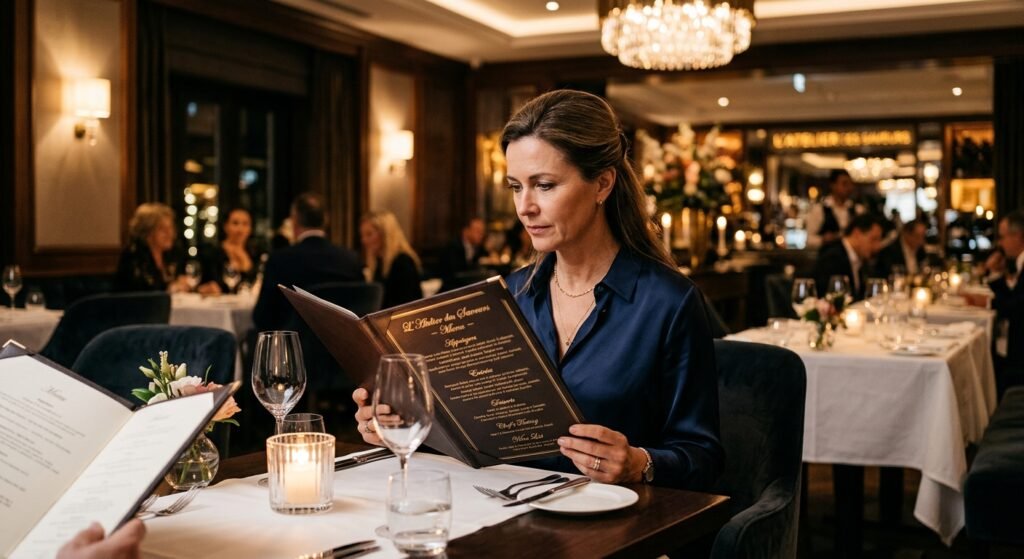
You’re sitting at a nice restaurant. It’s the kind of place where the lighting is so dim you secretly want to use your phone flashlight just to read the menu. The waiter pours about two tablespoons of wine into your glass, steps back, and folds his hands. He’s waiting.
You don’t have any idea what you’re supposed to be looking for. But suddenly, you feel like you’re on trial.
So, you do what everyone does. You pick up the glass, swirl it around a little too aggressively, and take a sip. You nod solemnly. You make eye contact with the waiter and say something like, “Yes, that’s great,” even though it tastes exactly like every other red wine you’ve ever had in your life. He pours the rest, and you breathe a quiet sigh of relief, hoping nobody noticed that you almost choked on your own confidence.
Somehow, this always happens. No matter how old we get, there’s a tiny voice inside that convinces us we don’t actually belong there. You convince yourself that at any moment, a manager is going to walk over, tap you on the shoulder, and gently explain that there’s been a mistake and you need to leave. It starts the moment you walk through the door. The host greets you with a level of politeness that feels slightly intimidating. Suddenly, you’re very aware of how you’re standing, trying to look like someone who spends their Tuesday nights discussing the subtle differences between sparkling and still water.
The Silent Translation Guide
Then comes the menu. It’s printed on thick cardstock that feels more like a college diploma than a list of food. There are no pictures. Instead, there are words that sound like they were pulled from a poetry book. You see terms like “reduction” and “infusion.” At some point, it stops being about the food and becomes a vocabulary test.
You don’t want to ask what a word means because you don’t want to break the illusion. So you play culinary roulette. You order something based entirely on the three words you recognize, hoping the rest don’t secretly mean “anchovy paste.” When the plate finally arrives, the food is about the size of a pocket watch, sitting in the exact middle of a plate large enough to be a hubcap. Your brain instantly starts doing some quick math, wondering if you can stop by a drive-thru on the way home.
The Water Negotiation and the Silver Scraper
The performance begins before the food even arrives. The first question is whether you want sparkling, spring, or tap water. If you say tap, you worry they’ll think less of you. If you say sparkling, you’re going to pay nine dollars for water that just tastes like it has an attitude. You finally settle on tap, but you say it with an apologetic tone, as if to say, “We’re simple people, please forgive us.”
Then there’s the moment the waiter comes over with that tiny silver tool to scrape crumbs off the table. It’s a highly specialized device that exists to remind you that you’re a messy eater. You sit perfectly still, holding your breath, watching him collect your tiny pile of carbohydrate shame. You feel like a student caught drawing on the desk. You want to apologize, but instead, you just smile awkwardly until he walks away.
The Performance of Eating
At some point, the utensils get involved. You look at the silverware laid out beside your plate. There are three forks. One of them is remarkably small, and you wonder if it was designed for a dollhouse. You wait for someone else to pick up a fork first and copy their movement, hoping they actually know what they’re doing. We all know how this ends. You spend the first ten minutes trying not to clink your fork against the plate too loudly.
And let’s not forget the bread basket. When the waiter offers bread, you want three pieces, but you politely take one, pretending you’re only mildly interested in carbs. You break it apart with absolute precision, trying not to leave a single crumb on the white tablecloth.
Why We Do It
Nobody talks about how normal this has become. We go to these places to celebrate big moments or treat ourselves, but we spend half the time worrying about whether we’re doing it right. Why do we feel like guests who are secretly wearing a disguise?
Maybe it’s because we like the fantasy of it all. We like stepping into a world that feels a little more polished than our everyday lives. It’s fun to pretend, even if it means we spend twenty minutes deciphering a menu or nodding politely at a wine splash. The funny thing is, almost everyone at the surrounding tables is doing the exact same thing. The person next to you who ordered the fancy steak with absolute confidence is probably secretly hoping they don’t drop their napkin on the floor.
So, the next time you find yourself staring at a tiny dollop of foam on your plate, wondering if you’re supposed to eat it or just admire it, take a deep breath. You aren’t the only one who feels like they’re pulling off a minor heist just by sitting there. Honestly, we all do this. And you’ll probably do it again the next time you want to feel fancy. But for now, enjoy the tiny food. You’ve earned the right to feel just a little bit out of place.