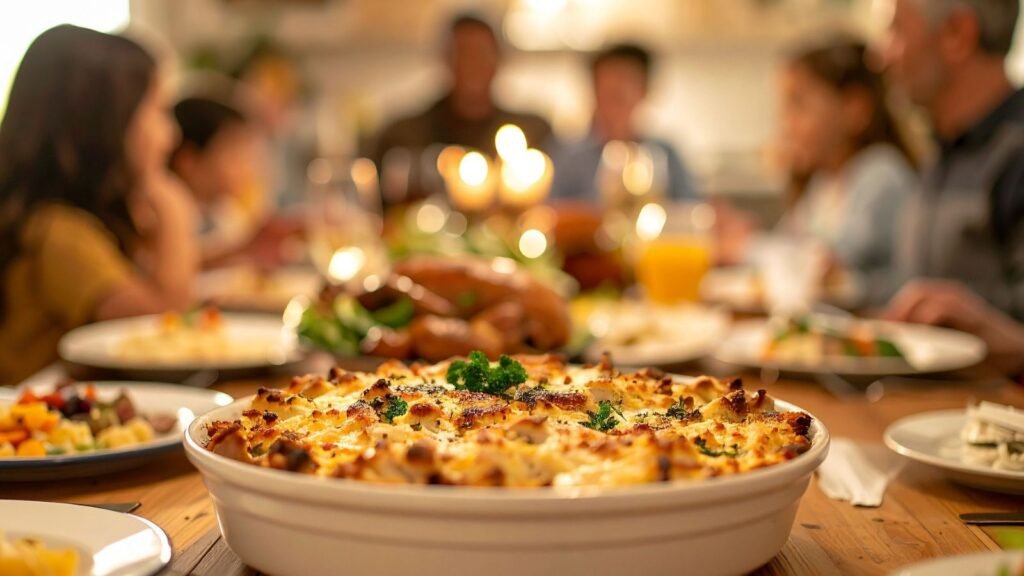
You’re sitting at a dinner table with people you love, watching a steaming bowl of pasta get passed from hand to hand. The garlic and toasted herbs fill the room, and there’s a collective, soft sigh of anticipation as everyone takes their share. But your own plate looks different. Maybe it’s a neat pile of grilled chicken and pale green vegetables, measured out with quiet precision. On paper, you’re doing exactly what you’re supposed to do to take care of yourself, but emotionally, you feel like you’re standing on the outside of a glass window, looking in at a warmth you aren’t allowed to touch.
We talk a lot about the physical side of changing our eating habits. We discuss willpower, meal prep, tracking apps, and the satisfaction of watching numbers change. What we rarely talk about is the strange, quiet grief that settles into the kitchen when we decide to leave certain foods behind. It’s a bittersweet feeling that goes far beyond simple physical hunger, and it can leave you feeling surprisingly lonely in your own home.
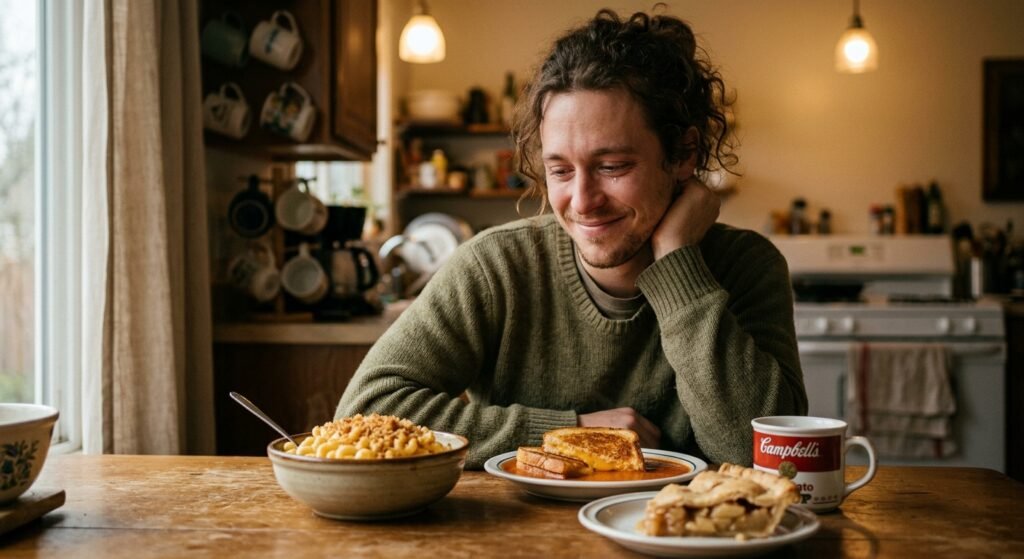
That’s because we’ve never looked at food as just a collection of fuel and nutrients. From the time we’re small, flavor is deeply tied to safety. A bowl of soup isn’t just broth; it’s the memory of a parent staying home from work to look after you when you had a fever. A slice of chocolate cake isn’t just sugar; it’s the echo of laughter at a birthday table where you felt completely celebrated. When we decide to cross those foods off our daily menu, we aren’t just changing a menu. We’re asking ourselves to say goodbye to the emotional safety blankets we’ve spent a lifetime collecting.
The Time Machine in the Kitchen
There’s a reason why these cravings feel so intensely emotional rather than physical. Neurologists have often pointed out that our sense of taste and smell are wired directly into the emotional centers of our minds. Unlike sight or hearing, which take a more logical path through our thoughts, flavor bypasses our reasoning entirely. It travels straight to the deep storage where our earliest memories of comfort and belonging are kept. When you smell a familiar recipe, you aren’t just remembering it; you’re actually feeling the ease of the moment it represents.
When you walk through the grocery store and intentionally steer your cart away from the bakery aisle, the sadness you feel isn’t just a lack of discipline. It’s a form of homesickness. You’re mourning the ease of a Friday night when a cardboard pizza box meant the stressful week was finally over, and you were allowed to just breathe. By changing how you eat, you’ve removed the easiest, most reliable tool you had for turning off the noise of the world.
When the Spoon is Your Comfort
Think about how many small transitions in your day used to rely on food. There’s the mid-afternoon pastry that marked a break in an endless workday, or the bowl of cereal late at night that felt like a quiet reward for surviving a difficult day. These small rituals don’t just feed our bodies; they organize our emotional days. They give us a sense of completion, comfort, and sometimes, a little bit of magic in an otherwise ordinary routine.
When you remove those habits, you’re suddenly left standing face-to-face with the very feelings the food was helping you avoid. The restlessness at four in the afternoon isn’t just low blood sugar; it’s the boredom of a job that feels stagnant. The late-night urge to search the pantry isn’t physical hunger; it’s a deep desire for comfort after a day spent taking care of everyone but yourself. Without the familiar comfort of food, those feelings show up on your doorstep, asking to be looked at.
Learning to Hold Our History with Kindness
It’s easy to get frustrated with ourselves during these times, to wonder why we can’t just be disciplined and move on. We treat our cravings like obstacles to be defeated or mistakes to be corrected. But maybe those moments of longing aren’t failures of willpower at all. Maybe they’re just our minds trying to protect us, using the only language they know to ask for comfort, safety, and connection.
Perhaps the goal of changing how we eat isn’t to pretend we don’t need those comforting feelings anymore. Instead, it’s about learning to honor the history we’ve built with food while finding new ways to offer ourselves the safety we’re looking for. You don’t have to erase the memories of your family’s kitchen or the joy of shared holiday feasts to live a healthier life today. Those feelings still belong to you, even if the plates look different now.
Next time you find yourself staring longingly at a menu, feeling that familiar, bittersweet ache, try to be gentle with yourself. You aren’t just hungry for a specific dish; you’re feeling the depth of your own story. Missing those meals doesn’t mean you’re doing this wrong. It just means you’ve loved well, lived deeply, and carry a history that deserves to be respected, one quiet meal at a time. You’re definitely not the only one sitting at a table, learning how to hold onto your memories while choosing a different path forward.