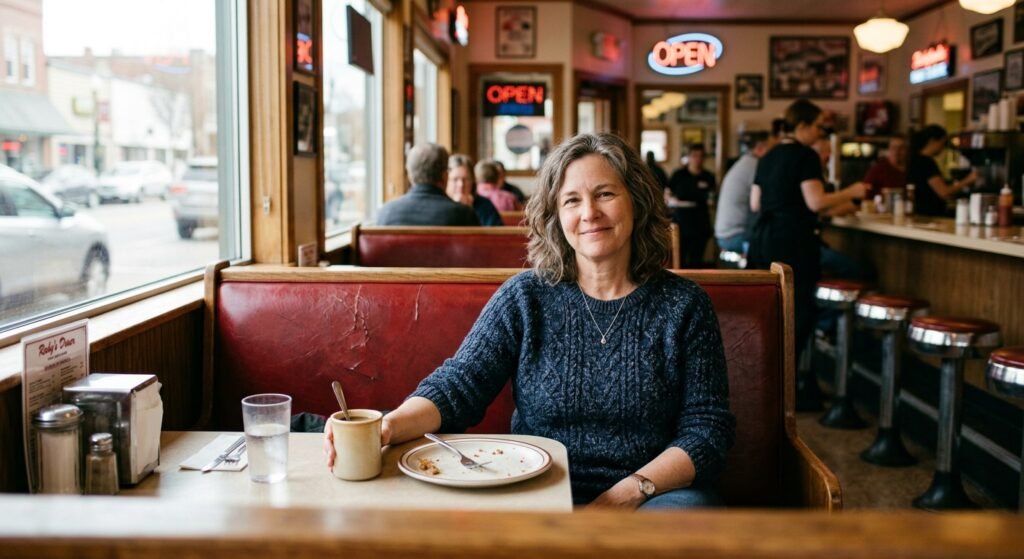
Let’s talk about that specific booth at the corner diner, or the slightly wobbly table by the window at the local noodle shop. It’s the place where the vinyl seats have a tiny tear patched with tape, and the menu always has a faint smudge of grease in the exact same spot. You don’t even need to look at the menu anymore because you’ve ordered the exact same thing for the last seven years. If you’re being honest, the food is good, but it’s probably not the best culinary experience in town. Yet, whenever you’re celebrating a quiet win, recovering from a long week, or trying to find your footing after a difficult conversation, this is exactly where you end up.
It’s funny how we develop these unspoken contracts with physical spaces. We walk past dozens of newer, flashier restaurants with better lighting and trendier dishes just to sit in a drafty corner where we know the server’s name and exactly how long it takes for the kitchen to bring out the bread basket. We tell ourselves it’s about convenience, or perhaps we claim the chili is just that special. But if we strip away the practical excuses, we find something much deeper. We aren’t just visiting a business. We’re returning to a sanctuary.
The Architecture of Comfort
Environmental psychologists have long studied how we attach meaning to physical environments. There’s a concept known as place attachment, which explains how certain locations become deeply woven into our sense of self. It’s the idea that a space isn’t just a container for our lives; it actively participates in our experiences. When we visit the same restaurant over and over, we aren’t just consuming a meal. We’re outsourcing our comfort to the walls, the lighting, and the predictable background sounds that never seem to change.
Think about how much of modern life requires us to perform. We have to be professional at the office, supportive at home, and polite in public. But when you slide into your favorite booth, a quiet permission slip is handed to you. The restaurant doesn’t ask you to be anyone other than the person who has sat there through career changes, relationship milestones, and quiet Sunday mornings. The environment remains beautifully indifferent to the chaos of our personal lives, offering a rare constant in a world that is constantly demanding us to adapt.
The Table as an Anchor
There’s a subtle magic in the predictability of these places. In studies on environmental psychology, researchers have found that routine spaces offer a welcome cognitive rest. When your brain doesn’t have to process new stimuli, such as navigating a new menu, decoding a strange layout, or assessing the vibe of an unfamiliar crowd, it finally gets to rest. That restaurant isn’t just serving dinner; it’s serving predictability. It’s a soft place for your mind to land when everything else feels uncertain.
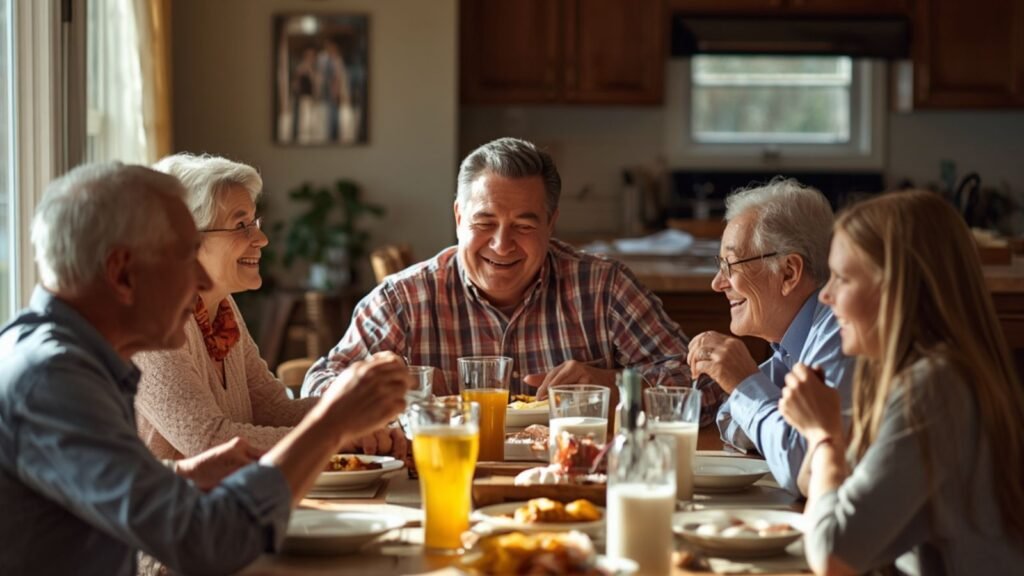
You can probably trace your life through these tables. There’s the diner where you sat with friends after college, dissecting job interviews and sharing cheap appetizers. There’s the quiet cafe where you learned how to be alone with your thoughts after a difficult ending. There’s the Italian spot where you celebrated birthdays, anniversaries, and small victories. These places become physical landmarks for our personal history. They hold the memories we might otherwise forget, acting as keepers of who we used to be.
An Emotional Home Away from Home
Sometimes we worry that staying attached to the same old spots means we’re stuck in our ways or afraid of trying new things. But maybe it’s not about a lack of adventure. Maybe it’s about the deep-seated need to feel anchored. In a fast-paced society where homes are rented, jobs are temporary, and communities are digital, these physical spaces offer a tangible connection to our own lives. They represent a rare form of continuity.
When you walk through those doors, you’re stepping into a version of yourself that feels safe. It’s a place where you don’t have to explain your preferences because they’re already known. It’s a space where the atmosphere does the emotional work of settling your mind before you’ve even taken a sip of your drink. You aren’t just paying for the meal on the plate; you’re paying for the privilege of feeling like you belong somewhere, even if it’s just for an hour or two.
The Quiet Realization
Perhaps the real reason we keep returning to these specific tables isn’t because the food is irreplaceable or the decor is perfect. Maybe we return because these places have seen us at our most authentic. They’ve held our laughter, witnessed our quiet tears, and hosted our most honest conversations. They’re the stages where our lives have played out, one ordinary Tuesday at a time.
And in the end, maybe a home isn’t always a house with a mortgage and a mailbox. Sometimes, an emotional home is simply a place where the lights are low, the soup is warm, and someone is waiting to show you to your usual table. It’s the realization that we don’t just inhabit these spaces. They inhabit us, quietly reminding us of who we are when the rest of the world is moving too fast.