If you’ve ever stood in a crowded school gymnasium or a makeshift neighborhood kitchen after a severe storm has cleared, you know the specific quiet that settles over the room. It isn’t a comfortable silence, but rather the sound of people who’ve spent hours listening to the wind, now suddenly faced with the task of figuring out what comes next. Your home might be without power, the streets outside might be blocked by fallen trees, and the familiar routines of your day have completely vanished.
Then, someone hands you a warm paper plate. It might contain something remarkably simple, like a scoop of pasta, a slice of bread, or a bowl of soup that looks exactly like what you’d make on an ordinary Tuesday. Yet, as you sit down at a folding table next to a neighbor you’ve only ever waved to from your driveway, that simple meal starts to feel like the most important thing in the world. You take a bite, look around the room, and feel a sudden, unexpected rise of warmth in your chest.
Finding Our Footing in the Aftermath
When our lives are disrupted by a sudden crisis, we often think our immediate needs are purely practical. We look for flashlights, we search for clean water, and we try to secure our property. But once the physical danger passes, a different kind of need begins to emerge. We experience a quiet disconnect from the world we thought we knew. The physical spaces that used to anchor our days suddenly feel unfamiliar and unsafe, leaving us feeling strangely untethered.
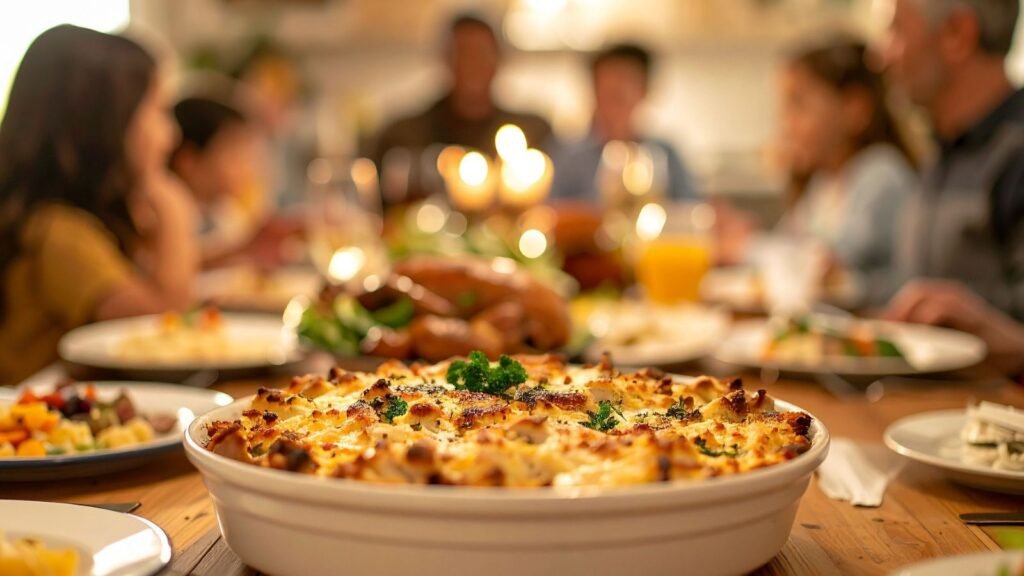
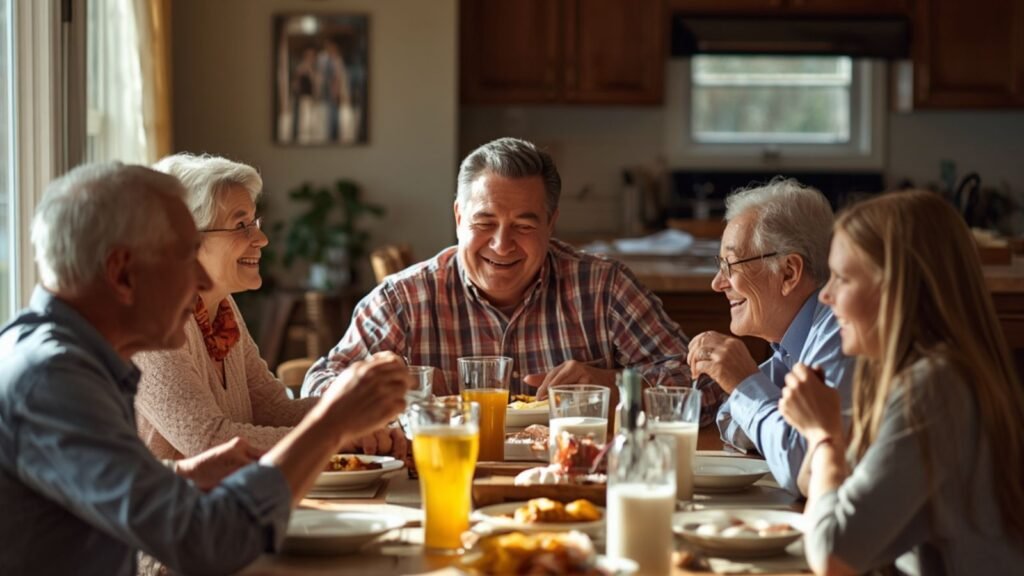
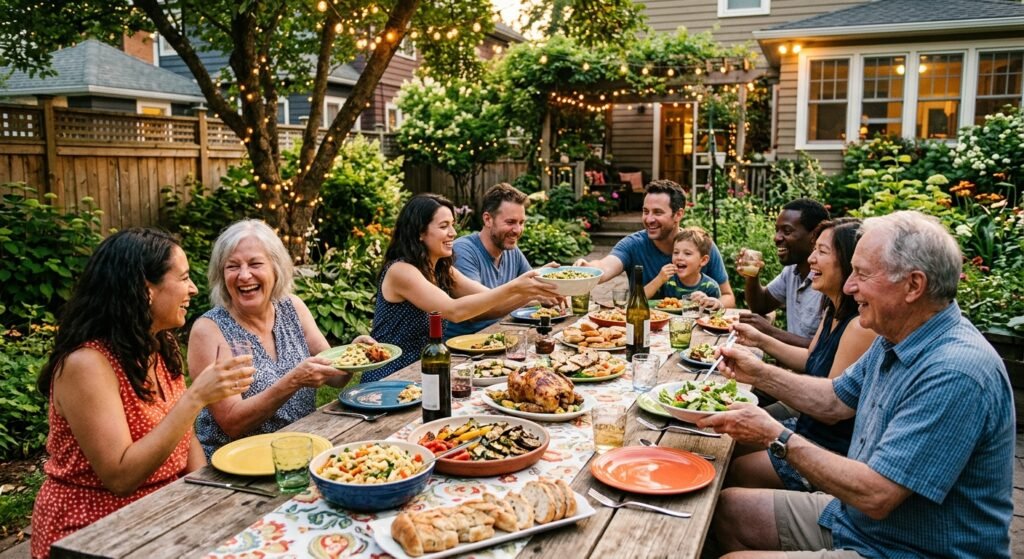
This is where the magic of a shared plate comes in. Eating is one of the few things we do that requires us to slow down, even if only for a few minutes. When you sit down to eat with others, you’re doing more than just consuming calories. You’re participating in an ancient, comforting rhythm that tells your mind and body that the worst of the danger has passed. It’s a signal that, at least for this moment, you are allowed to rest.
The Quiet Safety of the Dinner Table
People who study how we react to stressful events often point out that our sense of safety isn’t just about having a roof over our heads. It’s deeply tied to our connections with others. When we go through a distressing experience, our nervous systems naturally seek out signs that we’re safe again. We look at the faces of those around us to see if they’re okay, and we listen to the tone of their voices to gauge our own security. Sharing a meal forces us to look up, to make eye contact, and to share a space with others who understand exactly what we’ve just been through.
At a community kitchen, nobody has to explain why they look tired or why their hands are shaking slightly as they hold their cup. Everyone in the room shares the same context. In a world that has suddenly been turned upside down, the dining table becomes a tiny, predictable island where the rules of normal life still apply. You pass the salt, you ask how someone’s family is doing, and you listen to the comforting clatter of forks against plates. These small, mundane interactions are actually the building blocks of recovery.
The Restorative Power of Ordinary Things
There’s a reason we don’t just want survival rations when things go wrong; we want real food prepared by real hands. A hot meal carries an emotional signature that processed packages simply can’t replicate. It represents care, effort, and someone else’s time. When volunteers stand over large pots in a local church basement, stirring soup or baking bread, they’re sending a quiet message to everyone who walks through the door: you are worth the effort, and you are not forgotten.
Receiving that care can be surprisingly emotional when you’re used to being the one who has everything under control. For many of us, accepting help is much harder than offering it. But sitting at a shared table after a disaster strips away those social roles. There are no bosses, no clients, and no social hierarchies at a community table. Everyone is simply a neighbor, sharing the same soup, sitting in the same folding chairs, and looking for the same reassurance that everything will eventually be okay.
Rebuilding What Was Lost
As the days go on, the physical cleanup begins, but the emotional rebuilding happens in these quiet, shared spaces. You start to realize that the storm didn’t just damage buildings; it temporarily fractured the invisible lines that connect us to our community. When we live our busy, everyday lives, we easily forget how much we rely on the quiet presence of the people around us. We stay inside our own homes, behind our own fences, and in our own routines.
Sometimes it takes a crisis to remind us that we aren’t meant to carry our burdens alone. The shared meal isn’t just a temporary solution to a practical problem. It is a space where we remember how to belong to each other again. Long after the lights come back on and the streets are cleared, the memory that remains isn’t the fear of the dark or the sound of the wind. It’s the memory of the light in the gymnasium, the taste of a warm meal, and the realization that when your world fell apart, your neighbors were there to help you put it back together.
Perhaps that is the real beauty of these moments. We often think of disaster relief as something we receive from outside organizations or agencies. But true comfort is something we find in each other. When we share a simple plate of food in the middle of a mess, we aren’t just feeding our bodies. We are quietly reminding ourselves that as long as we have a table to gather around and people to share it with, we have everything we need to begin again.