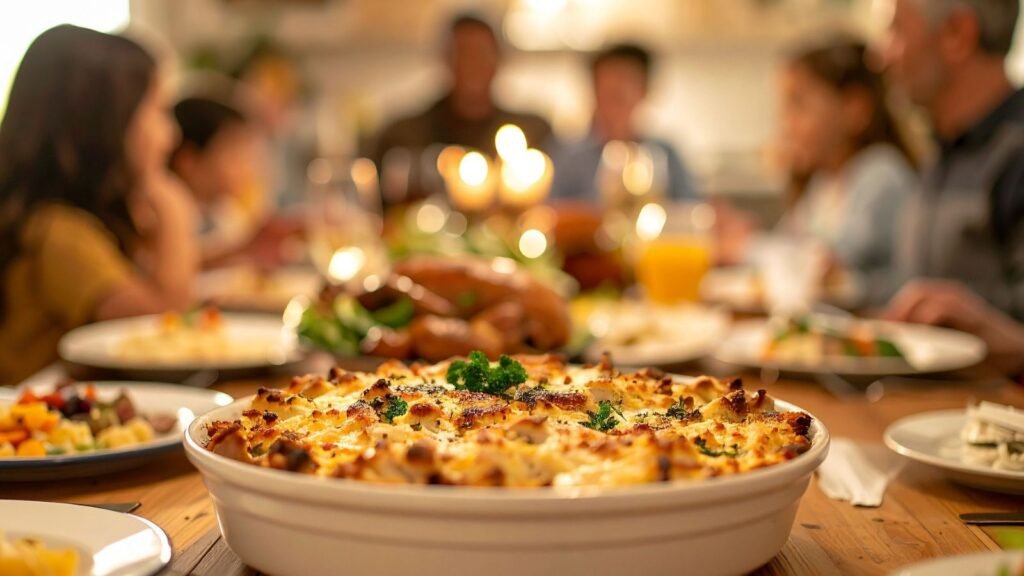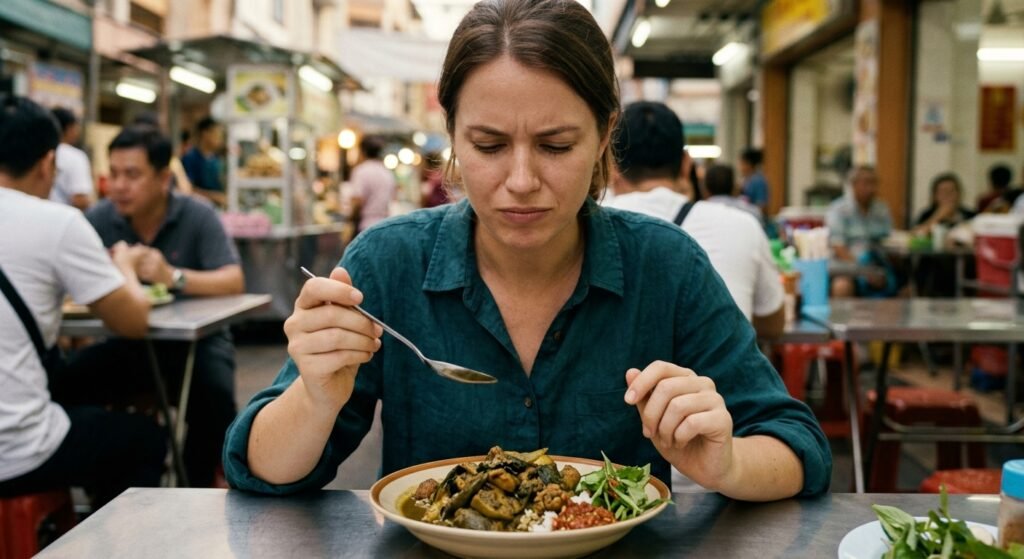
Imagine sitting at a crowded restaurant table with friends you want to impress. The menus are sleek, the lighting is low, and the conversation is flowing easily. Then, the plates arrive. Everyone else has ordered dishes that look familiar, but in front of you sits something entirely foreign. Perhaps it has a texture you’ve never navigated before, or perhaps it’s a combination of ingredients that your mind can’t quite categorize. You feel a familiar, quiet tightening in your chest. Your friends are eagerly watching, waiting for you to take that first bite, and suddenly you feel as though you’re standing on the edge of a high diving board.
We rarely talk about how much courage it takes to put something unknown into our mouths. From a distance, it looks like a simple preference, a minor choice between the chicken and the octopus. But in reality, what we eat is intimately tied to our sense of safety and control. When you choose the same pasta dish you’ve ordered a hundred times before, you aren’t just being unadventurous. You’re choosing a known comfort. You’re ensuring that for the next hour, there will be no unpleasant surprises, no sensory shocks, and no moments of secret panic.
The Ancient Language of Safety
There is a reason why a simple plate of food can evoke such a strong physical response. Our relationship with what we consume is one of the oldest forms of trust we have. Long before we had food safety ratings and ingredient labels, our ancestors relied on their senses to stay safe. A bitter taste could mean poison. An unusual texture could mean spoilage. Our bodies learned to treat the unfamiliar with a healthy dose of suspicion because doing so kept us alive.
Even though we now live in a world where restaurant food is highly regulated, our brains haven’t entirely caught up with modern dining culture. That sudden wave of hesitation you feel when looking at a plate of raw oysters or a spicy curry isn’t a personal failing. It’s your biology quietly whispering that it wants to keep you safe. Researchers who study sensory development often point out that our reluctance to try unfamiliar dishes is a protective instinct. We’re wired to seek out the familiar because the familiar represents survival.
When we ask someone to try a new food, we aren’t just asking them to test their palate. We’re asking them to lower their defenses. We’re asking them to step outside of their comfort zone in a highly physical way. For anyone who struggles with anxiety, that request can feel surprisingly demanding. It requires you to trust the chef, trust the restaurant, and most of all, trust your own ability to handle an unexpected sensation.
The Quiet Comfort of the Known
For many of us, food serves as an emotional sanctuary. When the world feels unpredictable, busy, or overwhelming, a familiar meal is one of the few things we can fully control. It’s the taste of childhood, the comfort of a reliable routine, or the simple joy of knowing exactly what to expect. There is a beautiful predictability in a favorite sandwich or a basic bowl of soup.
When we’re feeling emotionally depleted, our capacity for adventure naturally shrinks. We don’t want to challenge ourselves at dinner because we’ve spent the entire day challenging ourselves at work, in our relationships, or in our own minds. In those moments, choosing the simpler dish or the plain pizza is not a sign of immaturity. It’s a gentle way of taking care of ourselves. It’s a way of saying that we need comfort right now, and we’re going to find it in the most reliable place we know.
This is why pressure from caring friends to try something new can feel so invasive. When someone pushes a fork toward you and says you must try a bite, they think they’re offering a delicious experience. But to you, it can feel like they’re pushing past a boundary you’ve carefully built to keep yourself grounded. It forces you to negotiate your comfort in public, turning what should be a relaxing meal into a test of your social compliance.
Bravery in the Smallest Bites
Perhaps the real freedom comes from realizing that bravery doesn’t always look like jumping out of airplanes or traveling the world alone. Sometimes, bravery looks like picking up a fork and trying a single bite of something that scares you. And sometimes, bravery looks like politely saying no and sticking to the dish that makes you feel safe.
We don’t need to explain our culinary boundaries to anyone else, nor do we need to feel ashamed of the things that make us feel comfortable. Our relationship with food is deeply personal, shaped by our histories, our nervous systems, and our emotional needs. Whether you’re someone who eagerly tries everything on the menu or someone who finds peace in the familiar, your choices are simply your own way of navigating the world.
The next time you find yourself hesitating over an unfamiliar plate, you can offer yourself a little grace. You don’t have to conquer every fear at the dinner table. And if you do decide to take that small, uncertain bite, you can recognize it for what it truly is: a quiet moment of courage, happening right there on your plate.