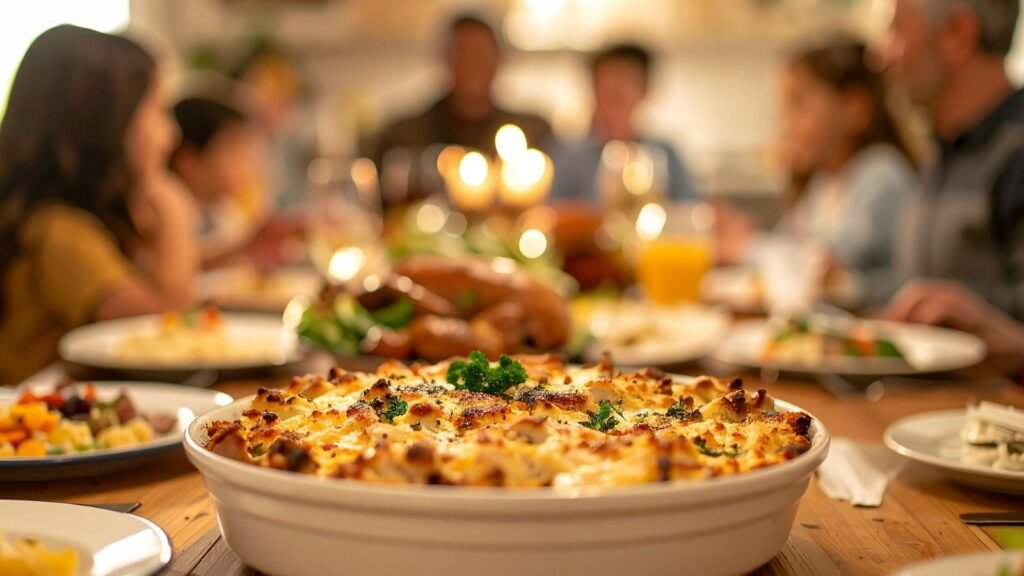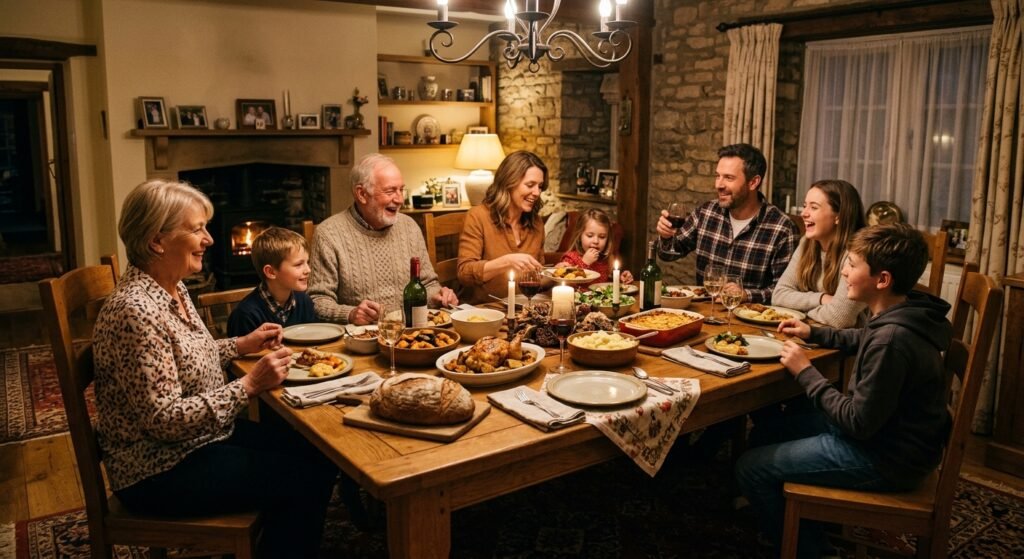
Every family has at least one meal that sounds completely bizarre to anyone who didn’t grow up in their home. It might be a specific Sunday casserole topped with crushed potato chips, a holiday dish passed down through generations that requires an entire afternoon of standing over a hot stove, or a strange secret ingredient in a soup that nobody outside your kitchen would ever think to combine. When you mention it to a friend for the first time, they might look at you with polite confusion. But to you, that meal doesn’t feel strange at all. It feels like home.
You’ve probably noticed that the dishes you treasure most are rarely the ones that come from glossy cookbooks or famous restaurants. They’re the ones scribbled on faded index cards with thumbprints in the margins, or better yet, the ones nobody ever bothered writing down because everyone just knows them by heart. Those recipes carry a quiet signature. They tell a story about where you come from and who raised you without needing to say a single word out loud.
More Than Just A Recipe On A Card
When we talk about food within a family, we’re almost never just talking about ingredients or cooking techniques. We’re talking about identity. Certain meals become an unspoken language that says, this is how our family does things. It’s the specific dish your grandmother made every time someone came home from a long trip, or the quiet habit of chopping vegetables in a particular shape that you still imitate whenever you prepare dinner on a rainy evening.
What makes these meals so lasting isn’t necessarily that they taste better than anything you could order from a world class chef. In fact, if you explained the preparation to a professional, they might offer a few practical suggestions for improvement. But changing the recipe would miss the point entirely. The beauty of the meal isn’t in its technical perfection. It’s in its predictability and what that predictability offers to everyone sitting at the table.
How Memory Stores What Is Served
There’s a fascinating reason why sensory experiences connected to cooking evoke such vivid memories. Our minds process smells and tastes through brain structures directly linked to emotional recollection long before our deliberate thinking takes over. When you smell roasting garlic or sweet baking dough, you aren’t simply recalling a dish. You’re suddenly standing back in your childhood kitchen, hearing the familiar rattle of the screen door, and feeling the distinct comfort of a quiet afternoon from years ago.
Experts who observe family dynamics often note that shared mealtime traditions act as emotional anchors during times of transition. When the outside world feels chaotic or uncertain, a familiar meal stays consistent. Preparing the same food across decades creates a sense of continuity that calms the nervous system, reassuring us that despite all the changes happening around us, this shared space remains familiar and safe.
The Language Of Belonging
As you grow older and begin building a life on your own terms, these food traditions start taking on new meaning. You might spend years establishing your independence, moving to distant cities, or expanding your taste to meals you never encountered as a child. Yet, sooner or later, a day comes when you feel exhausted, distant, or slightly homesick, and you find yourself buying the exact brand of tomato sauce your parents always bought.
Recreating that dish in your own kitchen is a way of reaching across time toward the people who cared for you. It’s an invitation to feel connected even when miles separate you from the table you grew up with. Cooking those familiar meals is how we carry our origin story forward into new apartments, new relationships, and new chapters. It allows us to say, this is part of who I am, and now I get to share it with you.
A Place That Is Always Yours
Perhaps the quietest realization about family recipes is that they were never really about the food itself. They were always about belonging. They were about knowing that somewhere in the world, there’s a tradition where your history is understood, your habits are recognized, and your presence is welcomed.
Over time, the kitchen tools will change and the hands preparing the food will naturally age, but the warmth built into those old meals stays entirely unchanged. When you cook a family recipe, you aren’t just making dinner. You’re keeping a door open for everyone who came before you and everyone who will come after. You’re quietly reminding yourself that no matter how much life moves forward, you belong to a story that welcomed you from the very beginning.