If you’ve ever stood in front of an open refrigerator after a profound loss, you probably know the specific stillness that settles over the kitchen. The light from the shelves feels too bright, and the items inside, such as the carton of milk, the leftover pasta, and the jar of mustard, look like relics from a life you don’t quite inhabit anymore. You might reach for something, only to realize your appetite has completely vanished, replaced by a dull, physical emptiness that food can’t seem to fill.
Or perhaps it’s the opposite. Maybe you find yourself mindlessly chewing on a piece of toast, only to realize you can’t taste it at all. The bread is textured, the butter is warm, but the flavor is entirely absent, as if your senses have collectively decided to go quiet. In these moments, eating doesn’t feel like nourishment. It feels like a chore, an obligation, or a strange performance of normal life when nothing feels normal at all.
We don’t often talk about the way grief changes our relationship with the grocery store or the dinner table. We expect the sadness, the tears, and the sleepless nights, but we rarely anticipate the sheer exhaustion of deciding what to have for lunch. Yet, food is the background music of our lives, and when a major loss occurs, that music stops, leaving us to navigate the silence of our daily routines.
When the Body Goes into Survival Mode
When we lose someone we love, our bodies don’t immediately distinguish between emotional heartache and physical danger. Our nervous system reacts to deep loss as a threat to our survival. It floods our system with stress hormones, preparing us to face an emergency. In this state of high alert, the digestive system quietly slows down because digesting a meal isn’t a priority when your body feels like it’s in the middle of a storm.
Our Physical Protection
This is why the very thought of eating can sometimes make you feel slightly nauseous in the early days of grieving. Your body’s trying to protect you, channeling its energy into keeping you upright and breathing. It’s not that you’ve forgotten how to be hungry; it’s that your physical self is prioritizing survival over sustenance. Understanding this can bring a sense of relief, helping you realize that your lack of appetite isn’t a personal failing, but a natural, protective response to pain.
The Loss of Shared Rituals
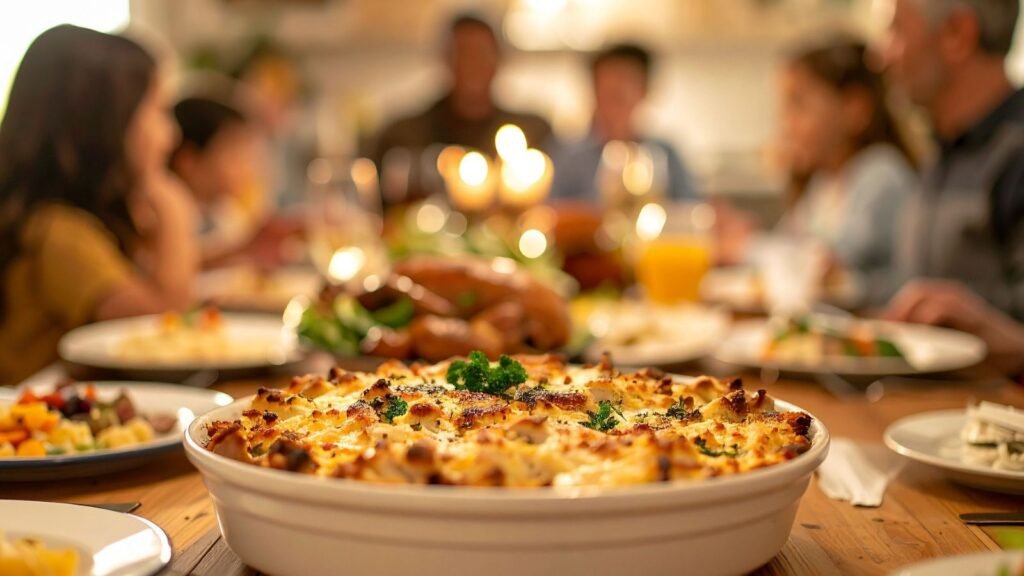
Beyond the physical side of things, eating is deeply social. We rarely eat in a vacuum. Most of our meals are anchored by the presence of others, whether it’s a spouse sitting across the table, a friend we text about a new recipe, or a parent who always made a specific soup when we were sick. When someone’s gone, the table suddenly has an empty chair, and the silence in that space can feel remarkably loud.
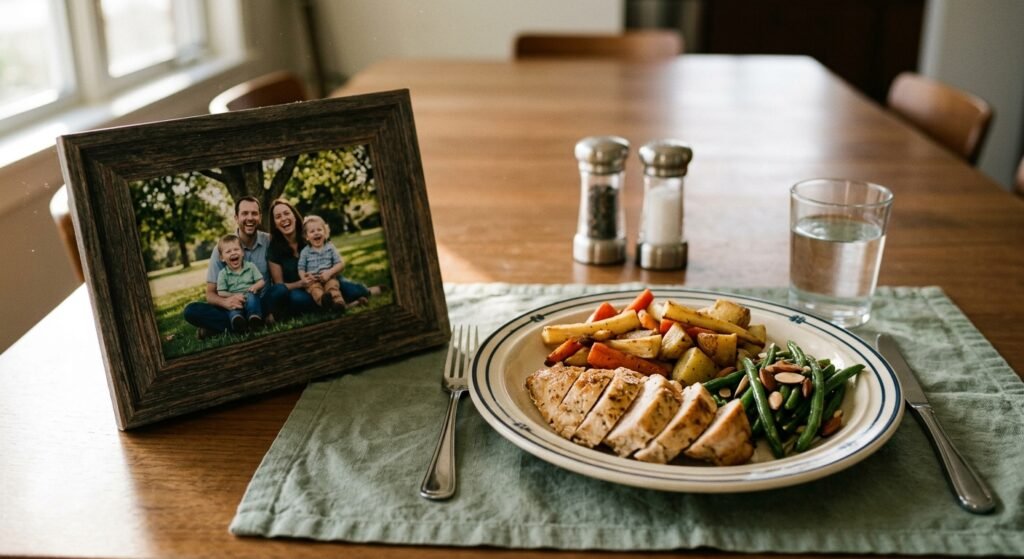
Preparing a meal for yourself when you’ve spent years cooking for two is a quiet, sharp reminder of what’s changed. The portions are too big, the kitchen’s too quiet, and the motivation to create something delicious dissolves. It’s easy to find yourself standing over the sink, eating cereal directly from the bowl, because setting a table for yourself feels like acknowledging the absence you’re trying so hard to process.
The Disruption of Shared Rhythm
Psychologists tell us that our eating habits are deeply tied to our sense of belonging. When our world’s disrupted, our daily habits often crumble alongside it. This disruption isn’t just about losing a dining partner; it’s about losing the shared rhythm that gave our days their structure. The meal was the anchor of the evening, and without it, the hours can feel endless and empty.
The Guilt of Nourishment
There’s also a strange guilt that can show up when your appetite finally starts to return. You might be sitting with friends, sharing a laugh, and suddenly realize you’ve eaten an entire meal and actually enjoyed it. For a split second, a wave of panic or shame might wash over you. You might wonder if enjoying food means you’re moving on too quickly, or if feeling satisfied is somehow disloyal to the person you lost.
This emotional knot is remarkably common, yet we rarely discuss it. We feel as though our grief must be a constant effort, and any moment of pleasure, even something as simple as a warm bowl of soup, is a betrayal of our love. But nourishment isn’t a sign of forgetting. It’s simply your body’s quiet way of reminding you that you’re still here, and that surviving doesn’t require you to punish yourself.
In fact, some of our most enduring memories are wrapped up in the meals we shared with those who are no longer with us. Recreating a favorite dish can eventually become a way to keep their memory close, a delicious bridge to the past. But in the early stages, it’s completely okay if those recipes feel too painful to touch. You don’t have to force yourself to find comfort in food before you’re ready.
Finding a New Rhythm with Food
If you’re currently finding it hard to eat, or if you’re finding comfort only in the simplest, most repetitive meals, there’s comfort in knowing you aren’t alone. Grief asks us to carry a profound burden, and sometimes, the kindest thing we can do for ourselves is to lower our expectations. You don’t need to cook elaborate meals, and you don’t need to force yourself to feel enthusiastic about dinner.
Sometimes, simply drinking a glass of water, having a piece of fruit, or letting a friend bring over a container of soup is enough. You’re allowed to let eating be simple, functional, and small. You don’t have to fix your appetite today. You just have to let your body carry you through the quiet hours, one small bite at a time.
Perhaps the real realization about food and grief is that our appetite isn’t just about physical hunger; it’s an extension of our connection to the world. When that connection’s broken, it takes time for our appetite for life to return. Losing your appetite isn’t a sign that you’re broken. It’s a testament to how deeply you loved, and a quiet reminder that healing happens in its own time, often beginning with the simplest routines we slowly choose to reclaim.