You are standing in front of the stove, holding a wooden spoon, and suddenly everything freezes. You have the onions chopped, the pan is hot, and the kitchen is starting to smell the way it always did on Sunday afternoons. But as you reach for the spice cabinet, a quiet panic sets in. You can’t remember if they used dried basil or fresh. You can’t recall if the lid stayed on or off during the long simmer. You reach for your phone, hoping you took a picture of that scribbled note card years ago, but there’s nothing there. Just a blank space where a memory used to be.
It’s a strange, lonely feeling, standing in a quiet kitchen realizing a piece of your past has slipped away. When we lose someone we love, we expect to miss their voice, their laugh, and the way they walked into a room. We prepare ourselves for the big absences. But we rarely prepare ourselves for the quiet evaporation of their daily routines. Forgetting a recipe doesn’t feel like a simple mistake. It feels like losing them all over again, a small but sharp bereavement happening right over the kitchen sink.
The Inheritance That Isn’t Written Down
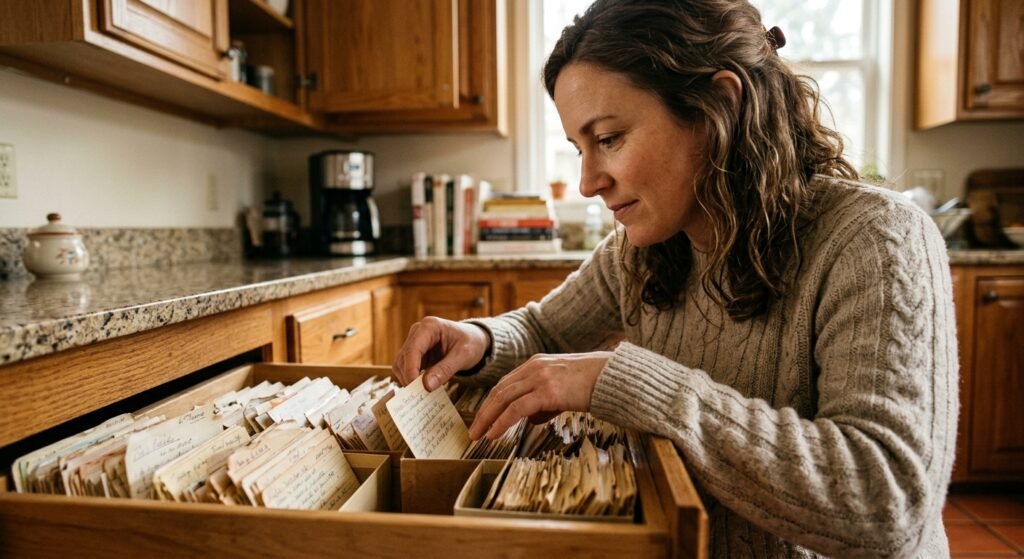
For so many of us, the most precious things we inherit aren’t kept in safety deposit boxes. They are kept in stained, batter-splattered notebooks, or worse, entirely inside someone’s head. Our loved ones cooked by feel, by sight, and by some internal compass that we never thought to question while they were here to guide us. They threw in a pinch of this, cooked it until it looked right, and served it with a casual confidence that made it seem easy. We assumed we would always have time to learn the secret.
Then, suddenly, the kitchen is yours alone. You try to recreate that one specific soup they made when you were sick, or the holiday dessert that defined your childhood. You buy the exact same brand of flour. You use the exact same cast-iron skillet. Yet, when you take the first bite, it’s not quite right. It’s close, but it’s like a photograph that’s slightly out of focus. You realize that the recipe was never just a list of instructions. It was a language, and you’ve forgotten how to speak it perfectly.
Why Taste Stays With Us
There’s a reason these sensory losses feel so personal. People who study how our minds process memories point out that our sense of smell and taste are wired differently than our other senses. While sights and sounds go through a sort of filtering process in the brain, smells go directly to the emotional and memory centers. It’s a direct connection. When you smell a specific blend of garlic and butter, your brain doesn’t just recognize a meal; it instantly transports you back to a specific dining room, a specific year, and a specific feeling of safety.
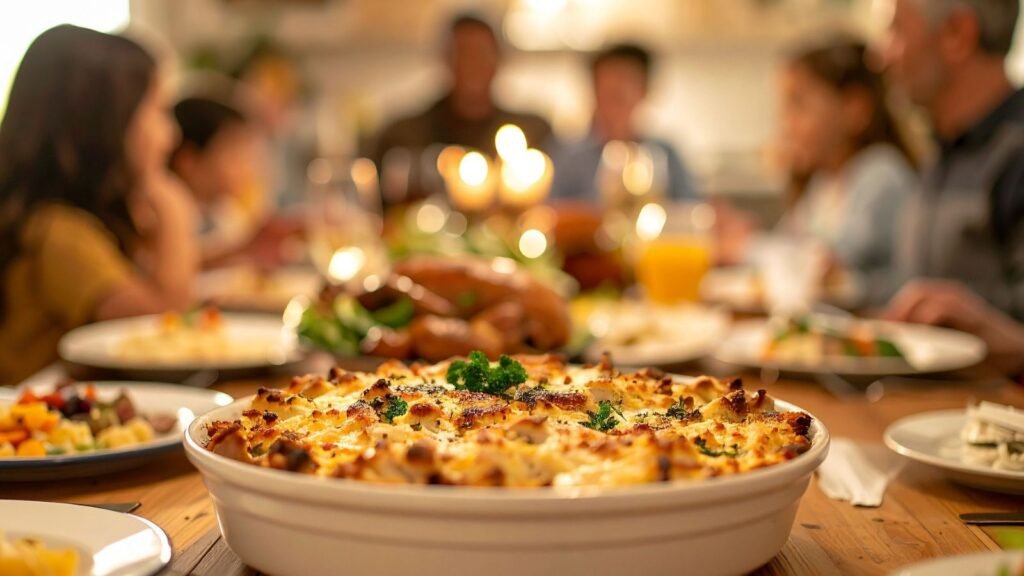
Because of this direct emotional connection, trying to recreate a dish is often an attempt to build a bridge back to the past. We aren’t just hungry for dinner; we are hungry for the comfort of being looked after. When we can’t find the right ingredients, or when we mess up the steps, it feels like that bridge is crumbling. We worry that if we lose the taste, we’ll eventually lose the person too.
The Pressure of Keeping the Past Alive
It’s easy to put an immense amount of pressure on ourselves to be the keepers of family history. We feel like it’s our job to make sure the traditions don’t fade, that the holiday table looks and tastes exactly the way it did thirty years ago. We treat these kitchen routines as sacred relics that must be preserved without a single scratch. When a dish doesn’t turn out right, we feel like we’ve failed in our duty to remember.
But memory is a living thing, not a museum. Our loved ones didn’t cook perfectly every single time either. They burned the toast, they forgot the salt, and they adapted when they ran out of ingredients. The magic of their kitchen wasn’t in their flawless execution; it was in their presence. They made those meals because they loved the people sitting around the table, not because they were trying to pass a culinary exam.
The Realization Beneath the Recipe
Maybe we’ve been looking at this the wrong way. Perhaps forgetting the exact measurements isn’t a betrayal of their memory at all. Maybe the fact that you’re standing in your kitchen, desperately trying to remember how they did it, is the real tribute. The love isn’t in the perfect pinch of nutmeg or the exact cooking time. The love is in your willingness to stand over the stove, trying to bring their warmth back into the room.
When you cook their food, even if it’s imperfect, you’re continuing a conversation that started long ago. You’re keeping their spirit active in your daily life. The dish doesn’t have to taste exactly the same to carry their love. The act of trying is how we remember. And in those quiet moments of trial and error, you might find that they aren’t as far away as you thought. They are right there with you, smiling at the mess you’re making, just glad you’re still at the table.