The Quiet Comfort of a Full Pantry
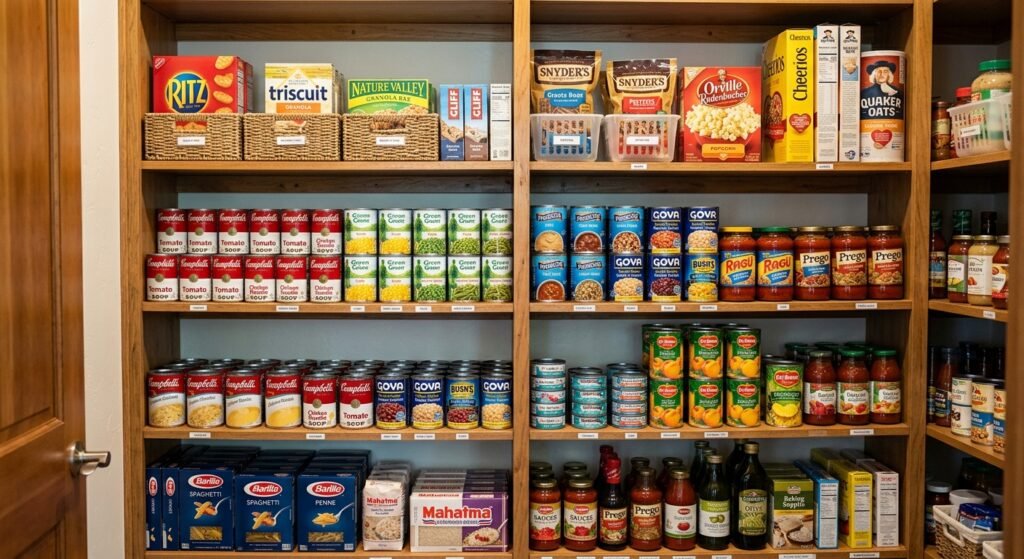
You stand in the grocery store aisle, looking at a box of pasta. You already have two boxes sitting in your cupboard at home, but there is a sale, or perhaps there is just a quiet, persistent voice in your mind whispering that it wouldn’t hurt to have one more. You toss it into the cart. By the time you get home, you find yourself rearranging the pantry shelves to make room for the extra cans of soup, the surplus bags of rice, and the jars of sauce that you probably won’t open for months. It is a small routine, almost automatic, but it brings a strange sense of satisfaction once everything is in its place.
It is a quiet habit that many of us keep to ourselves. We don’t often talk about the comfort we feel when the freezer is packed tight, or the slight sense of unease that creeps in when the pantry shelves start showing too much empty space. On the surface, it looks like simple preparation or smart budgeting. We tell ourselves we are just being practical, saving a few dollars by buying in bulk, or saving ourselves a trip to the store next week. But if you look closer, the motivation often runs much deeper than mere convenience.
There is a distinct emotional reassurance in abundance, especially when other areas of our lives feel unpredictable. When the news is filled with stories of rising costs, or when our own professional lives feel less stable than we would like, our minds search for ways to regain control. Food is one of the oldest symbols of safety we possess. When we cannot control the broader economy or the future of our careers, we can at least control the contents of our cupboards.
The Architecture of Safety
Psychologists who study consumer behavior have noted that during times of financial anxiety, people often focus their energy on tangible, domestic tasks. Buying extra food is a relatively low-cost way to soothe a restless nervous system, offering a physical sense of certainty that we can see and touch. It is a way of translating a vague, abstract worry about the future into a concrete action. We cannot easily fix our savings accounts or guarantee our job security, but we can make sure we have enough soup to last a month.
Many of us carry inherited memories of scarcity, even if we have never personally experienced a shortage. We grew up watching parents who saved every container, or grandparents who kept a secondary pantry in the basement filled with preserved goods. Those habits leave an impression. We inherit the idea that safety is something you can stack on a shelf, that a well-stocked home is the ultimate defense against an unpredictable world. The jars and cans become a physical barrier between our families and the cold realities of life.
This behavior is not about greed, and it is certainly not about hoarding. It is about emotional regulation. When we look at a fully stocked shelf, our brains receive a signal that we are safe, that we are prepared, and that we are protected. It is a modern way of building a fortress, constructed out of flour, canned beans, and boxes of cereal.
When Nourishment Becomes Reassurance
When we stock up, we aren’t just preparing to feed our bodies; we are attempting to quiet a deep need for reassurance. The extra jars of peanut butter and the surplus bags of pasta become a quiet promise we make to ourselves. They represent a buffer between us and whatever challenges might be waiting around the corner. We look at the full shelves and feel a brief moment of relief, a sense that no matter what happens out there in the world, we will be okay in here.
The challenge is that this feeling of safety is often temporary. The anxiety that drove us to buy the extra groceries doesn’t disappear just because the pantry is full. It simply waits until the next grocery trip, prompting us to buy just a little more, just in case. We find ourselves trapped in a cycle of seeking comfort through consumption, hoping that the next purchase will finally be the one that makes us feel completely secure.
But security is rarely something we can buy in a grocery store. It is not something that can be measured in ounces or stored in glass jars. While having a reasonable supply of food is practical, relying on those items to soothe our deeper anxieties can keep us from addressing the real sources of our stress.
Finding Peace Beyond the Shelves
Perhaps the realization is that we aren’t actually stocking up on food to save money or to avoid another trip to the store. We are trying to buy ourselves a little bit of peace. We are trying to quiet the ancient, protective part of ourselves that worries about tomorrow. Once we recognize that those extra cans are actually symbols of our desire for safety, we can look at our full pantries with a little more tenderness, recognizing the worry that put them there.
It is okay to want to feel secure, and it is completely natural to use food as a source of comfort when the world feels overwhelming. But true peace doesn’t come from having an endless supply of goods. It comes from realizing that we are resilient enough to handle whatever comes next, even if our cupboards aren’t completely full.
The next time you find yourself reaching for that extra box of pasta, take a moment to appreciate the impulse. It is just your mind’s way of trying to take care of you. You can smile at the extra jars on your shelf, knowing they are there to help you feel safe, while remembering that your strength has always come from your ability to adapt, not from the size of your pantry.