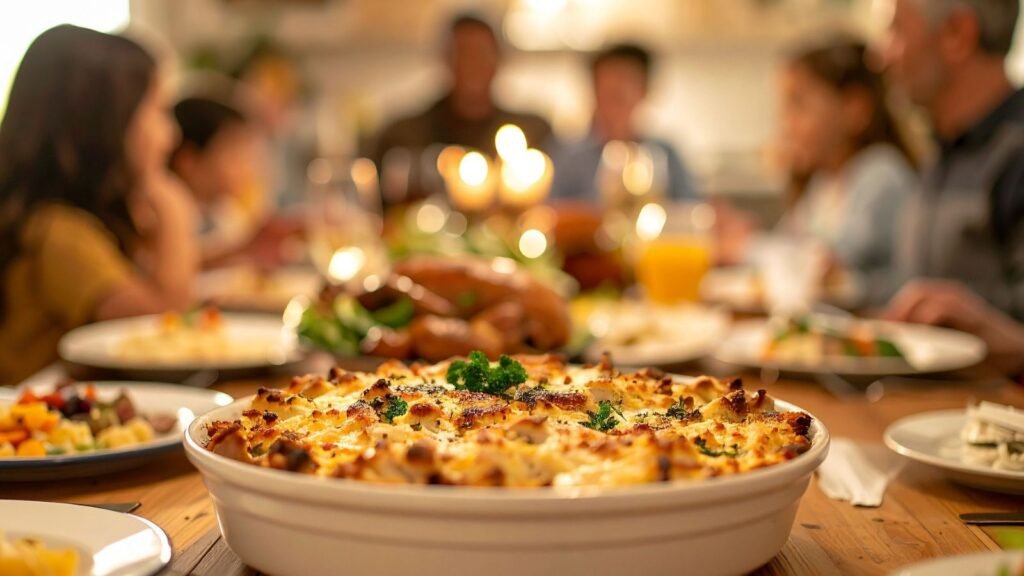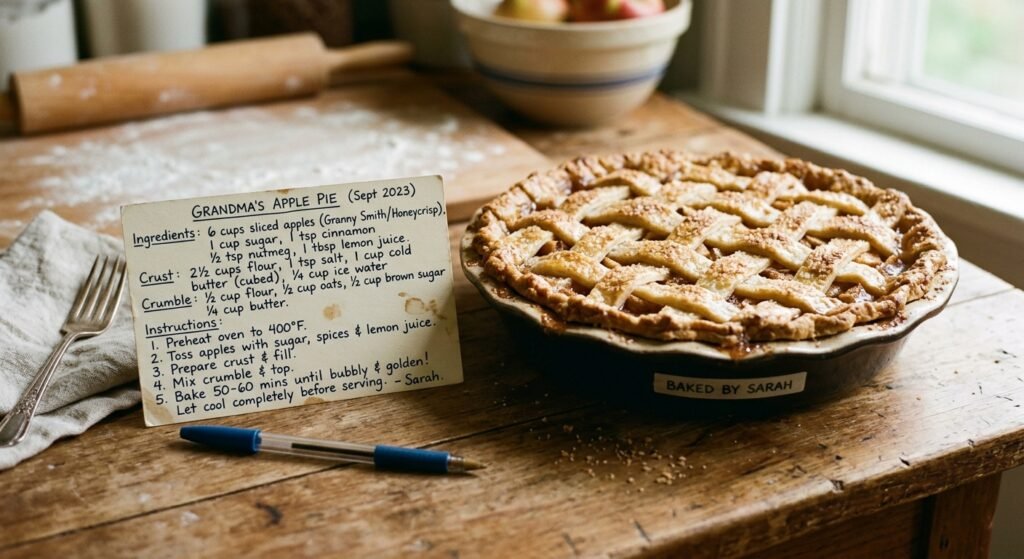
You probably have a stained index card tucked away in a drawer somewhere, or maybe a screenshot of a handwritten note saved in an album on your phone. The handwriting is slightly shaky, slanted, and decorated with a few stray grease splatters from a Sunday afternoon twenty years ago. It tells you to add a pinch of this or a handful of that, measurements that aren’t measurements at all but acts of faith. When you try to follow those instructions today, standing in your own kitchen, the air starts to fill with a very specific warmth. For a split second, you aren’t just cooking dinner. You’re standing in a kitchen that no longer exists, listening to a voice that you haven’t heard in years.
Recreating a dish from someone you lost can feel like stepping into a room that has been closed up for decades. You measure out the flour, you chop the onions, and you wait for the magic to happen. Yet, when you take that first bite, there is often a strange, quiet ache that accompanies the flavor. It tastes exactly right, and yet, it feels completely different. You realize you aren’t just tasting ingredients. You are tasting a presence that has become an absence.
The Science of Tasting the Past
It turns out there is a beautiful, biological reason why a simple plate of food can make you feel like you’ve traveled through time. Our brains are wired in a way that links our sense of smell and taste directly to the parts of us that feel and remember. While our other senses have to take a longer path through the brain’s main processing centers, scent has a direct line to the amygdala and the hippocampus. These are the quiet corners of our minds where emotions and deep memories live, untouched by the passage of time.
Psychologists sometimes refer to this as sensory autobiographical memory. When you breathe in the scent of garlic browning in butter or cinnamon warming in the oven, you’re not just registering a scent. You’re unlocking a vault. Researchers have found that memories triggered by taste and smell are often much more emotional and vivid than those brought back by pictures or words. It is as if the food bypasses your logical mind entirely, delivering you straight into the feeling of being protected, fed, and deeply known.
An Inheritance Written in Pencil
Think about the way recipes used to be passed down. They weren’t precise formulas designed for sterile perfection. They were living, breathing things, adjusted on the fly based on what was available, who was coming over, and how much time was left before sundown. When someone writes down a recipe for you, they are giving you something far more valuable than instructions for dinner. They are handing you their daily rhythm, their way of showing care, and their personal language of devotion.
When you look at those handwritten cards, the scribbled notes in the margins are often the most revealing parts. A line that says “bake until it looks right” or “add a little extra sugar if the fruit is sour” shows us how they navigated the world. They relied on intuition, touch, and experience. By recreating those steps, you are participating in a quiet conversation with the past. You are moving your hands the same way they moved theirs, standing over the steam, waiting for the exact same moment to turn down the heat.
Chasing the Missing Ingredient
Yet, many of us spend years wondering why our version of a family classic never quite measures up to the memory. We buy the exact same brands, search out the identical spices, and cook with the very same skillet. We follow the steps with religious devotion, hoping that if we just get the details right, we can fully bring back the feeling of safety we had when we were small.
But the truth is, the missing ingredient isn’t something you can buy at the grocery store. It was the laughter drifting in from the living room. It was the lack of worry in your own mind back then. It was the reassuring presence of someone who took care of the details so you didn’t have to. When we cook these dishes, we are often mourning the version of ourselves that got to sit at the table without knowing how precious those moments actually were.
The Living Legacy in Your Kitchen
Perhaps we’ve been looking at these old recipes the wrong way. They aren’t monuments to what we’ve lost, and they aren’t meant to be perfect replicas of a time we can’t get back. They are invitations. Every time you pull out that stained card, you are keeping a connection alive, allowing a story to continue through your own kitchen.
Maybe the food was never meant to bring back the past. Maybe it was meant to remind us that love leaves a footprint we can actually share. When you feed these same dishes to your own friends, your partner, or your children, you are passing along an emotional inheritance that doesn’t require a bank account. You’re offering them a taste of where you came from, and in doing so, you ensure that the people who taught you how to love are still sitting at the table, helping you feed the people you love today.