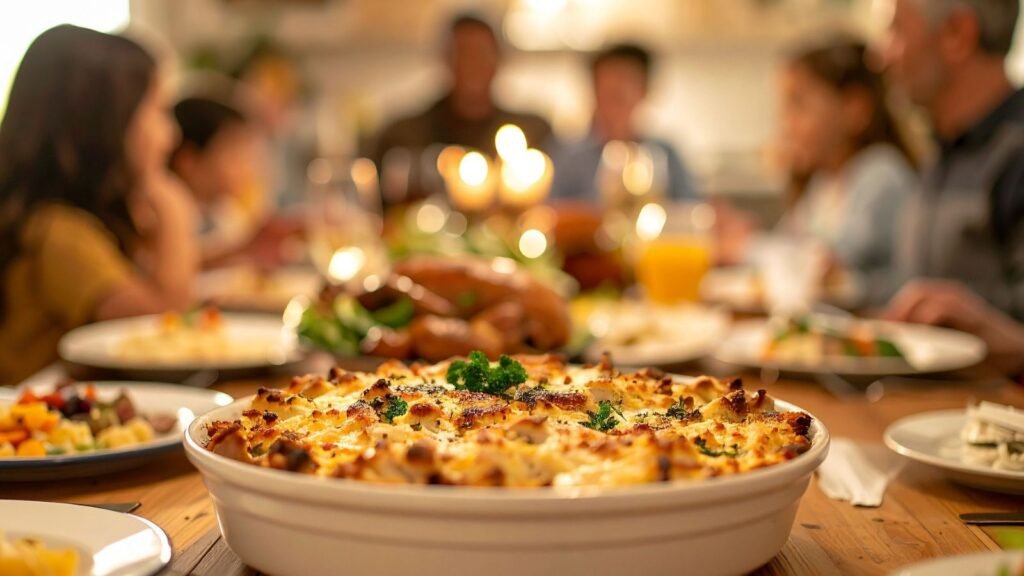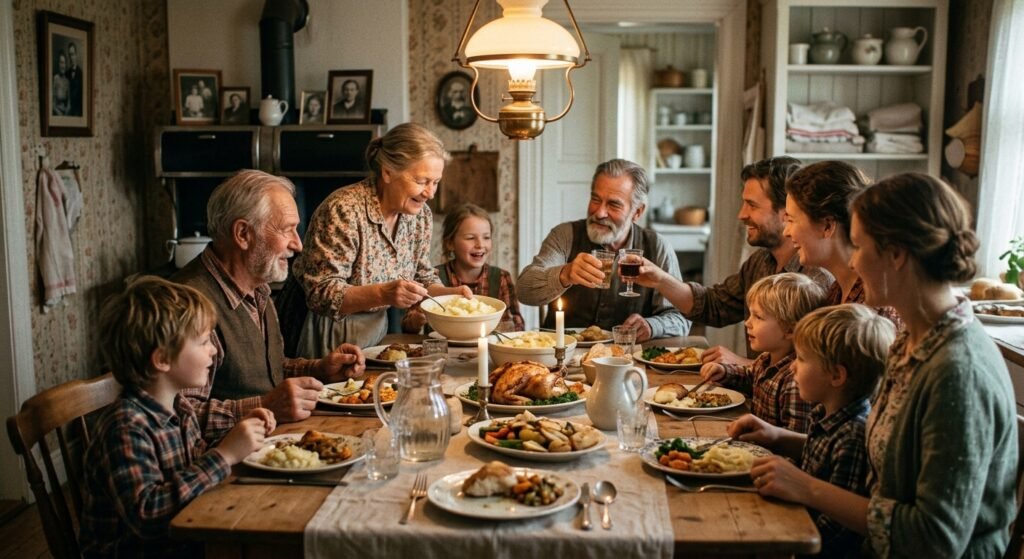
If you close your eyes and think about the people you’ve lost, you probably don’t picture the grand milestones. You don’t see the formal portraits or the big holiday gatherings where everyone was dressed in their best clothes. Instead, you see them standing by the toaster, laughing at a joke that wasn’t even that funny, or offering you half of their sandwich on a quiet Tuesday afternoon.
You didn’t know it would be the last time you shared a meal with them. If you’d known, you would’ve put your phone face down on the table. You would’ve asked deeper questions, paid closer attention to the sound of their voice, and savored every single bite of whatever you were eating. But you didn’t know. You probably complained about the traffic, worried about a work deadline, or hurried through the meal so you could get back to your endless list of tasks.
The Mercy of the Unremarkable
We live our lives under the beautiful, necessary illusion that there’s always more time. We assume there will always be another quick diner breakfast, another Friday night pizza delivery, or another Sunday dinner where the same stories are told for the hundredth time. Because of this, we allow ourselves to be fully, wonderfully distracted during these moments.
There is a unique kind of grief in realizing that a specific chapter of your life has closed without you getting to say a proper goodbye to it. Perhaps it was the last meal made at home before you moved across the country, or the final cup of coffee you shared with a coworker before they suddenly left the company. When you look back, you realize that the food itself was entirely ordinary, yet it now carries an almost sacred significance in your memory.
The Geography of a Memory
People who study how our minds store experiences often talk about the unique power of taste and smell. Unlike our visual memories, which can fade or become distorted over the years, our sensory memories are deeply wired into the parts of our brain that handle emotion. A single bite of a specific tomato sauce or the scent of a particular roast chicken can instantly transport you back to a kitchen from fifteen years ago, making you feel the safety of that room as if you were still standing in it.
This happens because our minds use food as a sort of emotional anchor. When we share a meal with someone, we aren’t just consuming calories. We are participating in one of the oldest rituals of safety and belonging. We let our guards down. We sit in one place. We look each other in the eye. When that person is no longer in our lives, the recipe they used to make becomes a physical bridge to their presence.
The Search for a Proper Goodbye
It is remarkably easy to wish you’d known the ending was coming. We tell ourselves that if we’d only known it was the final meal, we would’ve made it perfect. We would’ve cooked their favorite dish, set the table with the good china, and made sure every word spoken was full of love and wisdom.
But anyone who has ever tried to plan a perfect moment knows how difficult they are to sustain. When we know an ending is near, a profound gravity enters the room. The conversation becomes unusually conscious of the moment. The silence feels loaded with expectation. We stop being ourselves because we are too busy trying to memorize each other. The pressure to make the moment count often crushes the very warmth we are trying to preserve.
The Hidden Gift of the Ordinary
Maybe the fact that you didn’t know it was the last meal was actually a quiet form of kindness. Because you had no idea an ending was coming, you were allowed to just be there. You were allowed to bicker about who forgot the napkins, to laugh with your mouth full, and to exist in the comfortable, messy reality of everyday life.
That final, unremarkable meal was beautiful precisely because it wasn’t trying to be important. It was just a normal Tuesday, filled with the simple assumption that you would do it all again next week. And maybe that is what we are actually grieving when we miss those shared dinners. We aren’t just missing the person, and we certainly aren’t just missing the food. We are missing the sweet, uncomplicated safety of a time when we still believed the ordinary moments would last forever.
So when you think of that last meal, try not to regret the distractions or the words left unsaid. Instead, let yourself feel comforted by the fact that you got to share a real, unvarnished moment with someone you loved. They didn’t need a grand farewell to know they mattered to you, and you didn’t need a perfect ceremony to hold onto them. You simply sat at a table, shared some food, and let the ordinary world hold you both for just a little while longer.