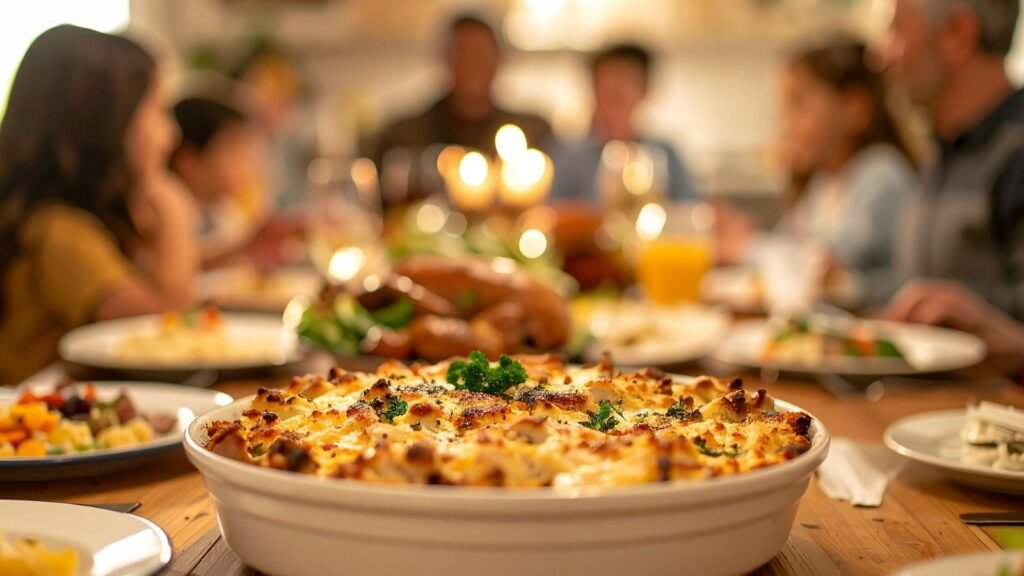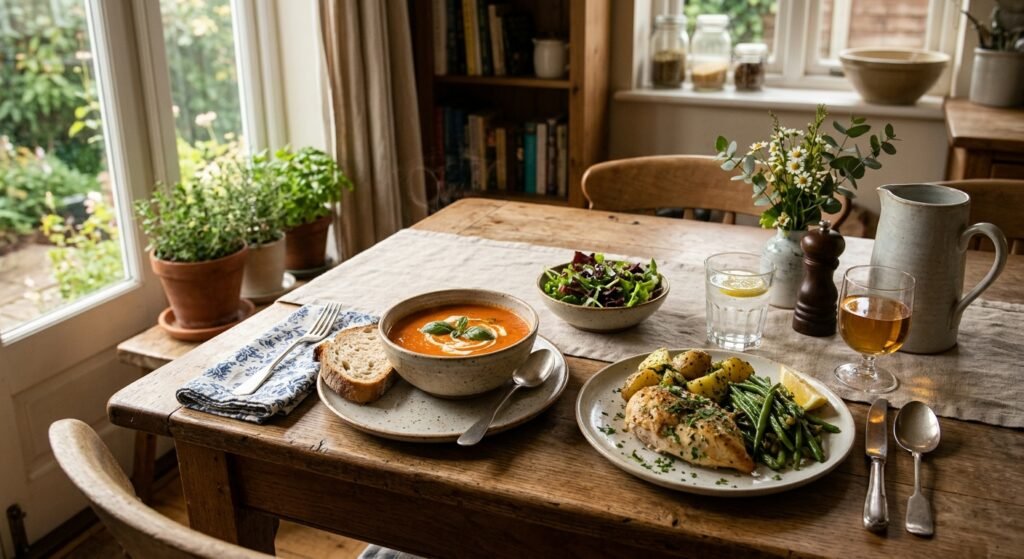
You’re walking down a street on an ordinary afternoon, thinking about an upcoming deadline or an errand you forgot to run, when a faint aroma catches you off guard. It might be garlic sizzling in olive oil from an open kitchen window, or the sweet smell of vanilla baking in a local diner. Before you have time to make sense of it, your body moves back in time. You aren’t standing on a cold sidewalk in your thirties anymore. You’re sitting at a worn kitchen table, listening to the soft murmur of a television in the next room while steam rises off a bowl of soup.
You didn’t ask to remember that afternoon. You didn’t search for it in an old album or try to recall what month it was. The memory simply arrived, fully formed and vivid, carried entirely on the breeze of an unexpected flavor. It’s a startling, beautiful feeling that almost every person has experienced at least once, leaving you wondering why a simple taste can unlock a door you didn’t even realize was locked.
The Direct Line to Yesterday
Most of the ways we remember our lives require a bit of mental effort. If someone asks you where you spent your summer vacation ten years ago, your mind starts searching through stored facts, dates, and locations. You reconstruct the story piece by piece. But flavor and scent don’t work through that logical sorting process. They bypass the rational filters of the brain entirely.
Psychologists refer to this experience as involuntary memory, a concept made famous by Marcel Proust over a century ago when he wrote about a delicate pastry dipped in tea unlocking a flood of forgotten childhood moments. Modern neurological research helps explain why this happens. The olfactory system, which processes scent and taste, sits right next to the amygdala and the hippocampus. These are the brain structures responsible for storing raw emotional tone and deep personal experiences. While visual details have to be processed through multiple cognitive filters before they reach emotional storage, a taste travels along an express route directly into your emotional history.
That’s why a taste doesn’t feel like looking at a picture of the past. It feels like stepping back into it. The brain doesn’t just deliver a fact about who you were; it hands you the exact internal state you lived in back then.
Photographs Show the Event, Meals Preserve the Atmosphere
Think about how we document our lives using cameras. A photo captures the moment we decided was worth preserving. We pose, we straighten our collars, and we smile for the lens. Photos show the birthday candles, the wedding toast, the grand scenery on a holiday trip, and the tidy outfits we wore for family portraits. They’re wonderful keepsakes, but they’re fundamentally curated. They show us what took place, but they don’t always tell us how it felt on the inside.
A meal, on the other hand, captures everything we forgot to pay attention to. Nobody posed for the bowl of buttered toast you ate on the floor while watching morning cartoons. Nobody took a photograph of the simple tomato sauce your grandmother simmered on a random Tuesday when nothing special was happening at all. Yet those uncelebrated recipes preserved the background climate of your youth in ways a polished photo never could.
A photograph shows you what you looked like, including the haircut you’ve since outgrown or the sweater that went out of style decades ago. But a familiar taste brings back who you were on the inside. It revives the quiet safety of an early morning, the comfortable presence of someone who used to cook for you, or the complete absence of hurry that defined a weekend afternoon in childhood. A picture reminds you of what happened, but a meal reminds you of who you were when it happened.
The Preservation of Ordinary Magic
There’s something deeply tender about the way food stores our personal stories. When someone prepares a recipe for you over and over again, they aren’t just feeding you supper. They’re creating a quiet sensory rhythm that your mind associates with care, stability, and belonging. You didn’t realize you were memorizing the exact ratio of salt and butter in a soup, but your nervous system was taking careful notes the entire time.
Years later, when you try to recreate that dish in your own kitchen, you might feel a strange sensation when the flavor isn’t quite right. You bought the same brand of pasta, followed the instructions step by step, and used the same skillet. Still, it feels like something is missing. What you’re searching for isn’t a missing spice. You’re reaching for the peace of mind that used to accompany the dish, the feeling of being taken care of by someone else while the rest of the world waited outside the front door.
That’s why recreating old family recipes often feels like an act of devotion. We aren’t just trying to make dinner. We’re trying to build a bridge back to a room that no longer exists, filled with voices that have quieted down over time.
Carrying the Past Without Looking Back
In a culture that encourages us to constantly look forward, track our progress, and plan for whatever comes next, nostalgia can sometimes feel like a distraction. We worry that looking back means we’re lingering in places we’ve outgrown. But missing a former season of life isn’t a sign of weakness or regret. It’s simply proof that you loved deeply enough to leave pieces of your heart along the way.
Food offers us a unique way to honor those pieces without getting stuck in them. A photo on the wall can feel like a monument to a past that’s gone forever, a quiet reminder of time slipping away. But sitting down to eat a dish that connects you to your past feels alive. It brings yesterday directly into today. You take a bite, you smile at the sudden rush of recognition, and then you keep living your life.
Perhaps that’s the real realization hiding behind these sensory surprises. Photos show us what we’ve lost to time, but the meals we remember quietly prove that the warmth we felt was real, and that we still carry it inside us every single day. You don’t have to rebuild the old kitchen to feel that comfort again. It was never really in the room anyway; it was always in you.