You stand in front of the stove, holding a wooden spoon, and suddenly find yourself staring at a pot of soup that could easily feed six people. There’s only you in the house. You didn’t mean to make this much, but your hands simply followed a rhythm they’ve practiced for years. You chopped three carrots instead of one, peeled four potatoes, and reached for the large stockpot without even thinking.
It’s a strange kind of stillness that settles over a kitchen when you’re cooking for an empty room. For most of our lives, the kitchen is the most active space in the home. It’s where cabinet doors slam, where ice clinks into glasses, and where people ask what’s for dinner before they’ve even taken off their coats. When those voices recede, the silence that remains feels less like a lack of sound and more like a presence of its own. You find yourself listening for the creak of a floorboard or the sound of someone opening the front door, even though you know nobody is coming.
We often think of cooking as a chore or a necessity, but it’s actually one of the most intimate ways we interact with the people we love. Every recipe we repeat is a physical language. We learn exactly how much salt someone likes, how thin they want their potatoes sliced, and which burner on the stove cooks their favorite meal just right. When we cook, we aren’t just preparing food. We’re actively tending to the people who share our lives. When those people are no longer there, the entire process can feel like a performance without an audience.
The Muscle Memory of Caring for Others
Our bodies have an amazing ability to store memories that our minds sometimes try to push aside. Your hands know the exact size of a handful of pasta that will satisfy a table of four. Your eyes know what it looks like when there’s enough sauce to share. When you find yourself living alone or sitting in a quiet house after a major life transition, trying to unlearn these physical habits is surprisingly difficult.
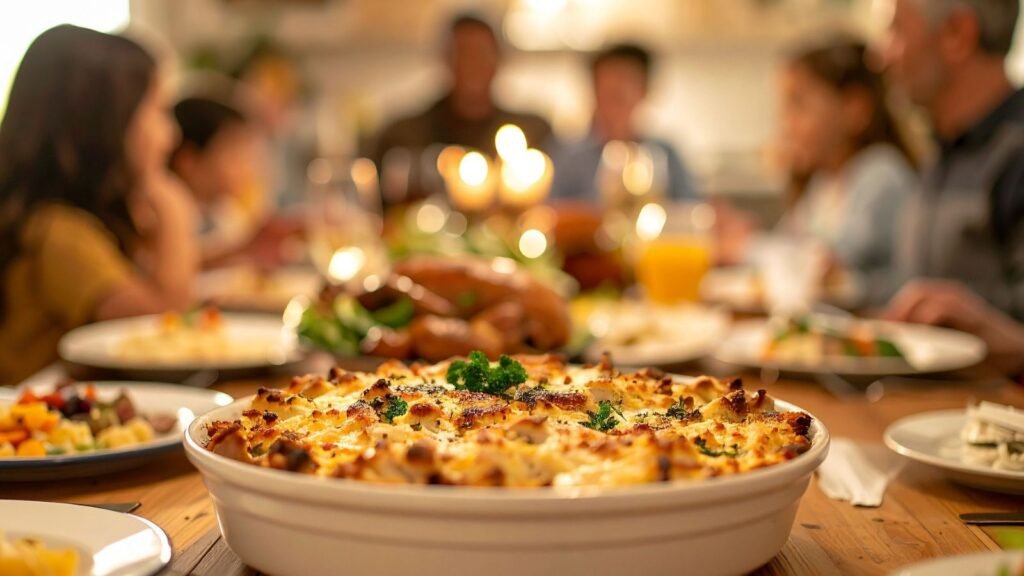
Measuring out exactly half a cup of rice can feel like a small betrayal of the years you spent piling plates high. It’s an admission of a quiet truth you might not be ready to face. To cook a single portion is to accept that the room is empty, that the family has grown up, that a partner has left, or that someone you loved is no longer there to sit in their favorite chair. So instead, you keep making too much. You fill the containers, stack them in the freezer, and pretend you’re just being efficient, when in reality, you’re simply struggling to let go of the scale of your love.
This struggle is deeply tied to our psychology. Researchers who study close relationships note that we develop shared routines that become part of our own identity. We don’t just exist as individuals; we exist in coordination with others. When we lose those connections, our daily routines don’t immediately change. The physical space around us alters overnight, but our internal habits take much longer to catch up. The act of chopping too many vegetables is just your brain trying to maintain a connection to a life that has already transitioned.
The Silent Dialogue at the Stove
There’s a distinct difference between grabbing a quick sandwich over the sink and actually cooking a hot meal for yourself. For many people, the effort of turning on the stove feels pointless when there’s no one else to taste the results. We wonder why we should bother with the dishes, the prep work, and the time spent standing over a hot pan when we are the only ones eating. It’s easy to fall into a pattern of grazing or relying on convenience foods just to avoid the quiet of the kitchen.
But when you do decide to cook, the experience can feel surprisingly emotional. The steam rising from the pot carries smells that are linked to specific chapters of your life. Olfactory memory is one of the strongest links we have to our past, directly connected to the emotional centers of our brains. A whiff of garlic and rosemary can instantly bring back a Tuesday evening from ten years ago, complete with the laughter, the warmth, and the feeling of safety that defined that era. In those moments, you aren’t just standing in a kitchen. You are visiting a memory.
This is why cooking for an empty house can feel like talking to ghosts. You find yourself having silent conversations with the people who used to fill the space. You remember how they would have complained about the onions being too big, or how they would have sneaked a piece of bread before dinner was ready. The pot on the stove becomes a container for these memories, keeping them warm even as the house grows quiet around you.
Finding Comfort in the Leftovers
Perhaps the realization we eventually reach is that cooking was never just about the food, and it was never just about the people who ate it. It was about the willingness to care. The abundance we create in our kitchens is a reflection of the generosity we carry inside us. Even when the table is smaller and the chairs are empty, that capacity to nurture doesn’t simply disappear. It remains within you, waiting to be redirected.
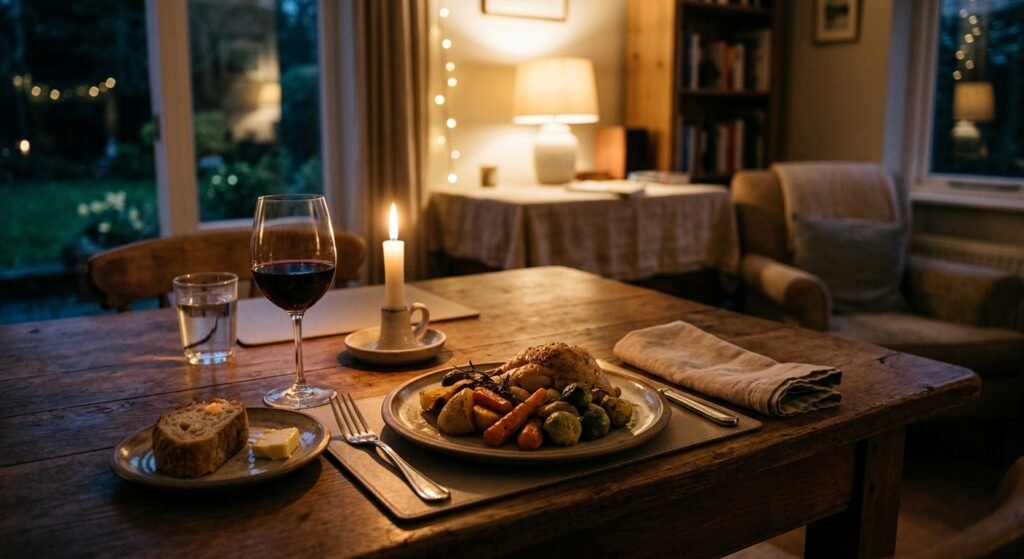
Learning to cook for one isn’t about shrinking your life or accepting a lesser version of happiness. It’s about finding a way to offer that same tenderness to yourself that you so willingly gave to others. It is an act of self-respect to set a nice plate, to use the good olive oil, and to sit down to a meal that was made with intention, even if you are the only one there to enjoy it.
The empty spaces in our homes will always hold the echoes of the people who once filled them. But perhaps those echoes aren’t meant to make us feel lonely. Maybe they’re just proof of how deeply we’ve loved, and how beautifully our kitchens remember the people who made our lives feel full. When you look at that oversized pot of soup, you don’t have to see a mistake. You can see a quiet monument to a season of connection, and a promise that the warmth you put into the world still belongs to you.