The Quiet Pull of the Familiar
You’ve probably stared at a blank screen or a half-filled application form, feeling a sudden surge of determination. It’s the moment you decide that today is the day everything changes. You’re finally going to apply for that new role, sign up for that class, or have that difficult conversation you’ve been putting off for months.
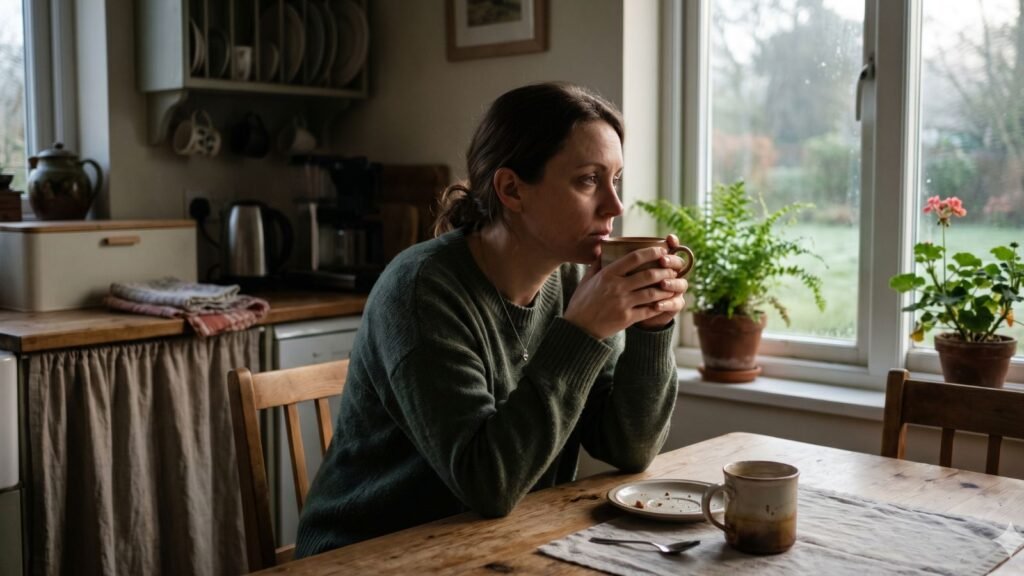
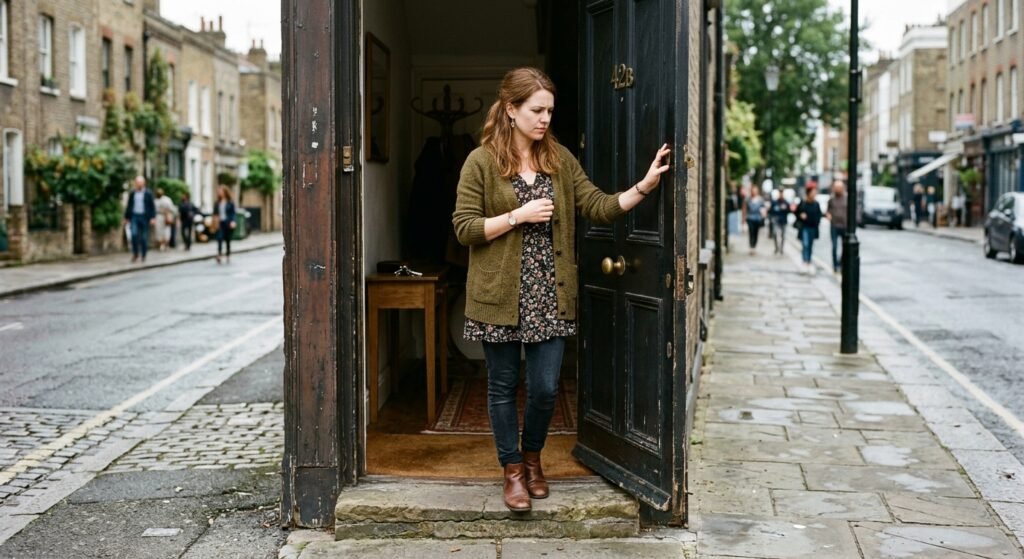
But then, a quiet hesitation sneaks in. You close the tab, put down your phone, and decide to think about it tomorrow. The relief that follows is almost instantaneous, even though nothing has actually changed.
There’s a comforting predictability in the familiar, even when the familiar isn’t actually very satisfying anymore. We often judge ourselves for this hesitation, labeling it as laziness, procrastination, or a lack of willpower. But what if staying put isn’t a sign of weakness? What if it’s something much simpler and more understandable?
The Cost of Certainty
Think about the small frustrations in your home that you’ve simply learned to live with. Maybe it’s that one kitchen cabinet door that always sticks, or the squeaky floorboard in the hallway that you always step over without thinking. You don’t fix them because you’ve adapted to them. They’ve become part of the rhythm of your day, and navigating around them requires almost no conscious effort.
We do the same thing with our lives. When you stay in a job that drains your spirit or a friendship that has gone quiet, you aren’t necessarily happy. You’re just certain. You know exactly how the disappointing days look, and you’ve already built the tools to survive them. The unknown, even when it promises happiness, represents a risk that your mind isn’t sure you should take.
Psychologists often observe this bias toward the status quo in various settings. Studies show that when people are presented with options, they have an overwhelming tendency to choose the default state, even when a different choice offers clear benefits. This isn’t because we are foolish. It’s because our minds are wired to prioritize safety and minimize risk. In the ledger of our minds, a guaranteed average outcome often feels much safer than a potential outstanding outcome that carries a risk of failure.
The Invisible Energy of Staying Put
We talk a lot about the courage it takes to leap into the unknown, but we rarely talk about the emotional energy it takes to stay exactly where you are. Managing a life that doesn’t quite fit is exhausting. You have to constantly manage your own expectations, soothe the quiet frustrations, and convince yourself that things are fine just the way they are.
Think of it like wearing a pair of shoes that are slightly too tight. They pinch your toes every time you walk, but you know exactly where they hurt and how to step so they don’t blister. Buying a new pair means risking a whole new set of aches in places you can’t predict. So you keep wearing the old ones, choosing the discomfort you know over the discomfort you might encounter.
This is where ambivalence lives. You are caught between two competing needs: the desire to grow and the desire to feel safe. Both of these needs are valid, yet they constantly pull you in opposite directions. It’s like having one foot on the gas and the other on the brake, wondering why you’re burning so much fuel without moving anywhere.
Grieving the Certainty We Leave Behind
When we think about making a major life transition, we usually focus on what we hope to gain. We think about the better salary, the deeper connection, or the healthier lifestyle. But we often ignore the fact that every beginning requires an ending. To choose something new, you have to say goodbye to the predictable routine you’ve spent years building.
That goodbye involves a quiet kind of grief. Even if you are leaving a toxic work environment or a stagnant relationship, you are still leaving behind a version of yourself who knew exactly how to survive in those environments. You are trading a familiar blueprint for a blank sheet of paper, and that trade can feel profoundly disorienting.
It’s helpful to realize that fear doesn’t mean you’re making the wrong choice. Fear is simply the tax we pay for growth. When you feel that pull to stay cozy in your current situation, it isn’t because you’re incapable of changing. It’s because you are a person who values safety, and safety is a beautiful thing to want.
Maybe the goal isn’t to wait until you’re completely fearless before you make a move. Perhaps the real freedom comes when you stop waiting to feel ready and simply accept that certainty is a luxury you have to leave behind if you want to find something real. You aren’t failing because you are hesitant. You’re just navigating the delicate space between the safety of where you’ve been and the promise of where you’re going.