The Shopping Cart Fantasy
Can we talk about this for a second? You’re walking down the grocery store aisle on a quiet Sunday afternoon, minding your own business, when you suddenly stop in front of the specialty foods section. You don’t actually need anything from this section. You came in for eggs, bread, and butter. But there you are, holding a fourteen-dollar jar of fig spread with a label written in a font that looks like it belongs on a hand-restored bicycle.
You turn the jar over. You inspect the back. You’ve never cooked with fig spread in your life, but for some reason, this suddenly feels completely reasonable.
The funny part is the immediate, quiet story your brain starts telling itself. You aren’t just buying fruit spread anymore. In your mind, you’re buying a weekend that hasn’t happened yet. You convince yourself that this coming Thursday, you’re going to host a warm, effortless dinner party. Friends will drop by without calling first. You’ll set out a wooden board, arrange three types of artisanal cheese, add a delicate spoon of this exact fig spread, and everyone will laugh softly while cozy music plays in the background.
In that moment, you aren’t the person who ate cold leftover pizza over the sink last night. You’re a cultured, relaxed host who has life completely figured out. So you put the jar in your cart. Next to it, you add a bundle of fresh rosemary, a bottle of balsamic glaze, and a small box of water crackers that cost twice as much as regular crackers for no clear reason.
The Thursday Night Reality Check
We all know how this ends.
Thursday night arrives. You get home from work forty-five minutes late. You’re exhausted, your feet hurt, and the only thing you have the energy to host is a quick meeting between your couch and a bowl of microwaved soup. The friends aren’t coming over. The cozy music isn’t playing. The fresh rosemary is already starting to look a little sad and limp in the vegetable drawer, wondering what it did wrong to deserve this level of neglect.
And the jar of fig spread? Five minutes later, it gets pushed to the back of the second shelf in your pantry, right behind the peanut butter and a half-empty bag of pretzels.
Nobody talks about how often we shop for our fantasy selves instead of our actual selves.
Shopping For Who We Want To Be
When you walk through the grocery store, you aren’t just selecting food for the week. You’re holding a tiny vote for the kind of person you’d like to be. Buying ordinary sandwich bread represents reality, which is completely fine, but buying a loaf of crusty sourdough and a bottle of imported olive oil feels like buying potential. For three minutes in aisle five, that jar represents an optimistic future where you have extra time, energy, and zero stress.
Psychologically, it makes total sense. Brains love short-cut rituals that make us feel like we’ve achieved something without putting in the actual effort yet. Putting the fancy ingredient into your cart provides an instant little boost of satisfaction. You feel like a person who hosts charming dinner parties simply because you purchased the stuff to do it.
The real comedy happens three months later when you open the pantry to look for a late-night snack. You pull out the jar of fig spread. It’s still completely sealed. The expiration date is still six months away, which feels like a tiny miracle.
You hold it for a moment, thinking about throwing it away or finally using it. But you don’t. Throwing it out feels like officially admitting that you aren’t the kind of person who hosts mid-week wine nights. It feels like giving up on a dream. So you wipe off a tiny speck of dust, put it right back on the shelf, and promise yourself that next weekend is definitely the weekend you’ll invite people over.
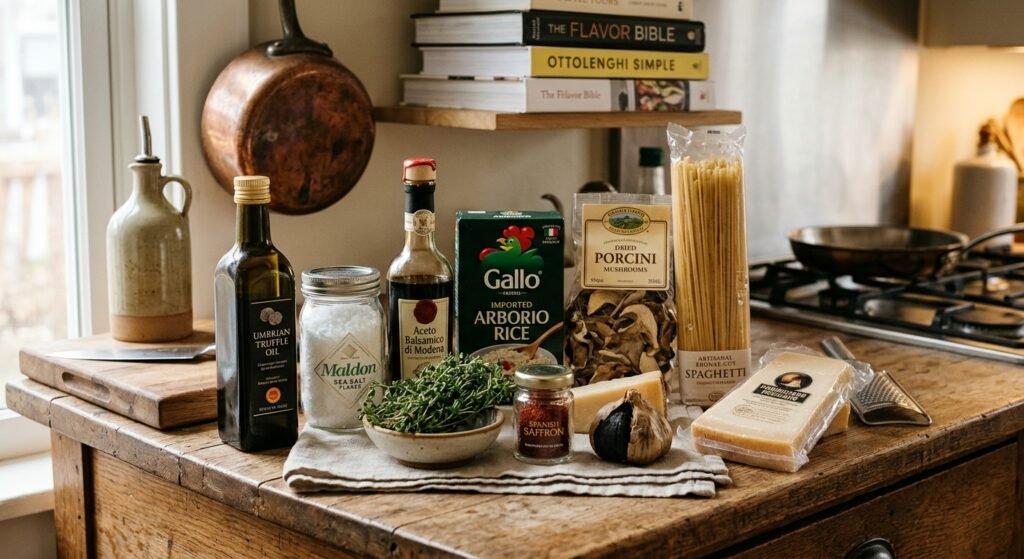
At some point, it stops being about the food entirely. That jar becomes a little monument to optimism. It sits there alongside the jar of roasted red peppers, the fancy sea salt flakes, and the tin of smoked paprika you bought after watching twenty seconds of a cooking video two years ago.
And honestly? That’s perfectly fine.
There’s something wonderfully cheerful about believing that our lives could suddenly become a little more flavorful, relaxed, and shared with friends at any moment. So go ahead and leave the jar in the pantry. You’ll probably buy another one next month anyway, and honestly, we all do this.