The Small Card at the Back of the Box
If you take a look through your kitchen drawers, past the loose rubber bands and the extra takeaway menus, you might find a small recipe box. Tucked near the back, behind the familiar family dishes, there’s often a card that doesn’t quite fit with the rest. The handwriting on it isn’t yours, and it isn’t your mother’s either. It belongs to someone you used to share your life with, written during a chapter that ended a long time ago.
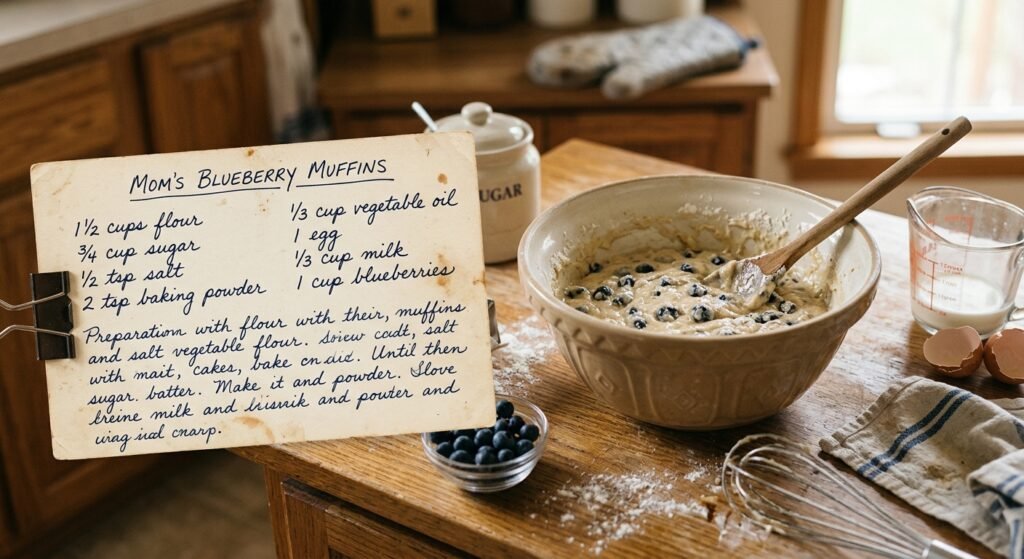
The card might feature a faint butter smudge near the corner or a faded ring from a coffee cup. It contains a simple recipe for roasted tomato soup, or maybe chocolate chip cookies with a note at the bottom telling you to leave them in the oven for one extra minute. You haven’t made the meal in years, yet every time you clean out the drawer, you pick up the card, look at it for a second, and place it right back where you found it.
Holding onto something from a past relationship can feel like an odd thing to do, especially when you’ve moved on and built a completely new life. You might occasionally wonder why you keep it around at all. Still, that tiny index card stays put, quietly bridging the distance between who you were then and who you are today.
The Physical Footprint of Memory
There’s something uniquely intimate about handwriting that digital notes can’t quite replicate. A text message arrives in a standardized font, stripped of personal touch, but handwriting carries the physical pressure of a hand against paper. You can see where the ink briefly paused, where a letter was slanted, or where someone pressed down just a little harder on the page.
Psychology often shows us that our minds process physical objects as containers for emotional context. When we hold something handcrafted, our brain accesses memory through sensory channels rather than just logical thought. The paper becomes a physical anchor for a moment in time, bringing back the sensory details of a kitchen you no longer stand in, the sound of music playing in another room, or the quiet warmth of a shared afternoon.
Research on memory suggests that tactile objects help us retain emotional narrative far better than abstract thoughts. When you look at that handwritten card, you aren’t just reading instructions on how to bake bread. You’re touching a physical record of someone’s attention, preserved long after the relationship itself changed its shape.
It Isn’t About Wanting the Past Back
It’s easy to assume that keeping an old keepsake means you’re holding onto lingering feelings or wishing for a second chance. We live in a world that often encourages clean breaks, suggesting that moving forward requires discarding every trace of what came before. When you keep a recipe card, you might feel a brief moment of quiet doubt about your own motives.
The truth is usually much simpler and far kinder. Keeping a card rarely means you want to return to that relationship or undo the choices that brought you to where you are now. Instead, it’s an acknowledgment that the tenderness you shared was real. You aren’t preserving the entire relationship; you’re preserving a single moment of quiet generosity.
A recipe is ultimately an offering. When someone takes the time to write down their favorite way to prepare something, they’re giving you a tool to care for yourself when they aren’t around. Decades later, that offering retains its warmth, even if the person who gave it to you is no longer a part of your daily world.
Bookmarks for Former Versions of Yourself
Sometimes, the objects we keep from past chapters aren’t really about the other person at all. They’re about us. They serve as quiet bookmarks for former versions of ourselves, helping us remember who we were during a specific period of growth.
When you look at that handwritten recipe, you might remember a younger version of yourself who was still learning how to cook, how to navigate closeness, or how to build a home. You might recall how much you’ve changed since those words were written, how many life lessons you’ve learned, and how far you’ve traveled since that kitchen was your entire world.
Allowing that card to sit in your recipe box doesn’t mean you’re stuck in the past. It simply means you honor the path that brought you here. The recipe remains quiet proof that every person who passes through your life leaves something behind, and sometimes, those lingering pieces are filled with unexpected warmth.