Can we talk about this for a second?
You are standing in a small shop, holding a gorgeous notebook wrapped in cloth with thick, textured pages. It feels solid and important in your hands. You look at it and quietly convince yourself that this is the item that changes everything. This isn’t just a place for grocery lists or quick reminder notes. This is the official journal for the future version of you, the person who wakes up early, drinks herbal tea, and writes thoughtful reflections every morning before starting the day.
You buy it, bring it home, and set it on your desk.
And then… nothing happens.
Three months pass. The notebook sits in the exact same spot, completely blank. You walk past it every day, but you don’t open it. In fact, you’re almost afraid to touch it. Why? Because the moment you press a ballpoint pen to that pristine first page, you run the risk of misspelling a word, smudging the ink, or realizing your handwriting looks like a doctor rushing through a prescription. The clean slate is gone, and suddenly it’s just a regular notebook with your messy thoughts inside.
The Fancy Candle Dilemma
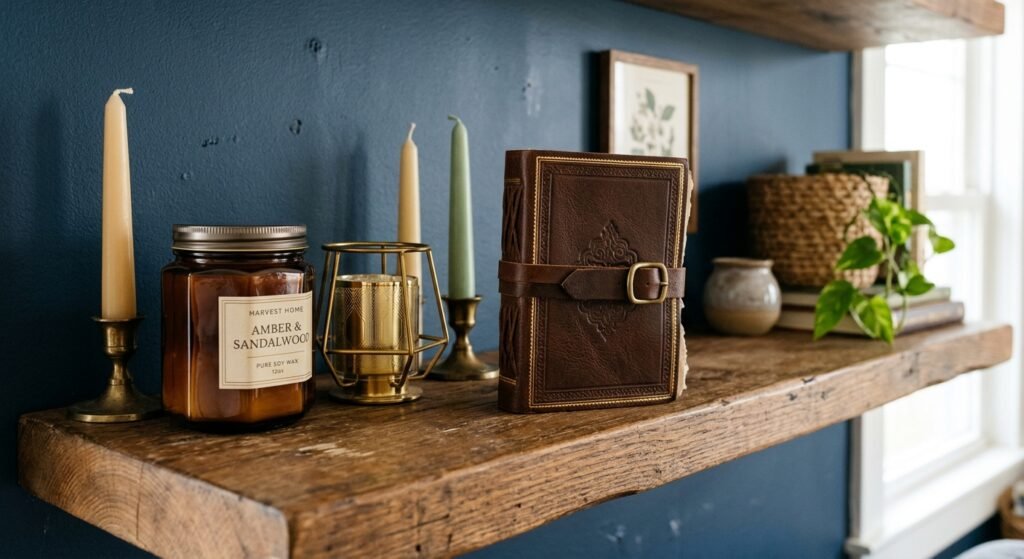
We do this exact same thing with all sorts of small everyday items. Consider the expensive candle you received for your birthday or bought on a nice vacation. It smells like sea salt and sandalwood, and it looks far too elegant to actually burn. So it sits on the coffee table as an ornament. You tell yourself you’re waiting for a special occasion. You’re waiting for a quiet evening when the house is totally clean, soft music is playing, and you have hours to sit back and relax.
So Tuesday night arrives. You’re sitting on the couch in your sweatpants eating leftovers out of a plastic container, watching a rerun of a show you’ve already seen five times. You look at the candle. For three seconds, you consider lighting it. For some reason, leaving it unlit suddenly feels completely reasonable. Your brain speaks up and says that tonight isn’t special enough. Burning the nice candle right now feels wasteful. So you leave it unlit, protecting the wick for a magical future evening that never quite makes it onto the calendar.
At some point, it stops being about the candle or the notebook. It becomes about who we think we’re going to be next week.
Buying The Lifestyle Instead Of The Item
We all have a quiet list of things we’re saving for that better version of ourselves. There’s the luxury olive oil brought back from a trip that sits unopened on the counter because every dinner feels too casual for it. There’s the fancy jar of specialty jam tucked into the back of the pantry, reserved for a lovely weekend breakfast that always gets replaced by quick toast on the way out the door. There’s even that crisp new outfit hanging in the closet with the tags still attached, waiting for an event that somehow hasn’t been invented yet.
The funny part is how completely reasonable this feels in the moment. When you buy the fancy items, you aren’t really purchasing objects. You are purchasing a tiny piece of hope. You are buying the idea that you are about to become a person who lives a slightly calmer, more polished life.
Buying the notebook feels like buying the habit of reflection. Buying the expensive tea feels like buying a calm morning routine. For a few minutes in the store, holding the object makes you feel as though you’ve already made personal progress. You haven’t actually changed anything yet, but you’ve spent twenty dollars, which feels like a solid down payment on self improvement.
Protecting The Delusion
Leaving those things untouched is our way of protecting the dream. As long as the journal stays empty, it holds endless potential. It could contain brilliant ideas, great poetry, or deep insights. The moment you write down a reminder to buy paper towels, the magic evaporates. As long as the candle remains unlit, you are still a person who might host an elegant dinner party this Friday. Lighting it while folding laundry feels like admitting that your week is mostly made of laundry.
Psychology explains this simple habit through something called ideal expectation. We constantly hold two versions of ourselves in our heads. There is the actual version, who occasionally drops food on their shirt and forgets where they left their keys. Then there is the ideal version, who moves effortlessly through the week, eats balanced meals, and always has a clean kitchen counter.
We buy things for the ideal version, but we live as the actual version. And because we don’t want to disappoint ourselves, we preserve the items for the person we hope to become tomorrow.
Go Ahead And Use It
We all know how this ends. Two years later, you’re cleaning out a closet and find that expensive bottle of lotion or that special box of tea. The lotion has separated into strange liquid layers, and the tea smells like dust. The special occasion never arrived, and the item expired while waiting for a version of you that was never going to exist full time anyway.
Maybe the trick is to stop waiting for permission from a future version of yourself. Light the expensive candle while you watch television in your pajamas. Write a messy, poorly spelled grocery list on page one of the beautiful notebook. Eat the gourmet jam on a plain piece of burnt toast on a Thursday morning.
Your everyday life is already taking place right now. You don’t need to upgrade your entire identity before you’re allowed to enjoy the nice stuff you bought. So go burn the candle. Scribble on the clean paper. You’ll probably feel a little guilty for about five minutes, but then you’ll realize that enjoying the good things today is much more fun than saving them for a version of you who is way too busy to use them anyway.