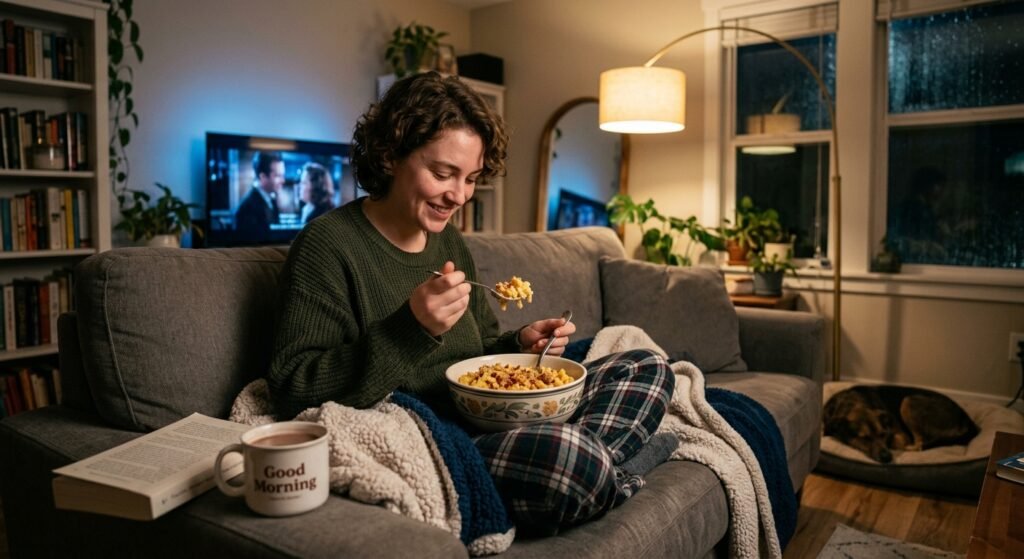
Think about the moment the front door closes, the house goes completely quiet, and you realize you have the evening entirely to yourself. There is no one to please, no one to negotiate with, and no one watching. You walk to the kitchen. But instead of cooking the balanced, beautifully presented dinner you might prepare for a friend, you find yourself assembling something completely different. Maybe it’s cold pasta eaten straight from the container while standing over the sink. Maybe it’s a strange combination that sounds deeply unappealing to anyone else, like a slice of cheese wrapped around a pickle, or cereal eaten out of a mixing bowl in the dark.
These solitary culinary choices are rarely about gourmet excellence, yet they often taste better than the most expensive restaurant meals. We tend to keep them secret, almost as if they are minor embarrassments we must hide from the world. If someone walks in unexpectedly, we might feel a sudden rush of embarrassment, quickly putting down the spoon or closing the cupboard. But if we pay closer attention, these quiet moments are not actually embarrassing at all. They are deeply revealing.
The Table For One Requires No Performance
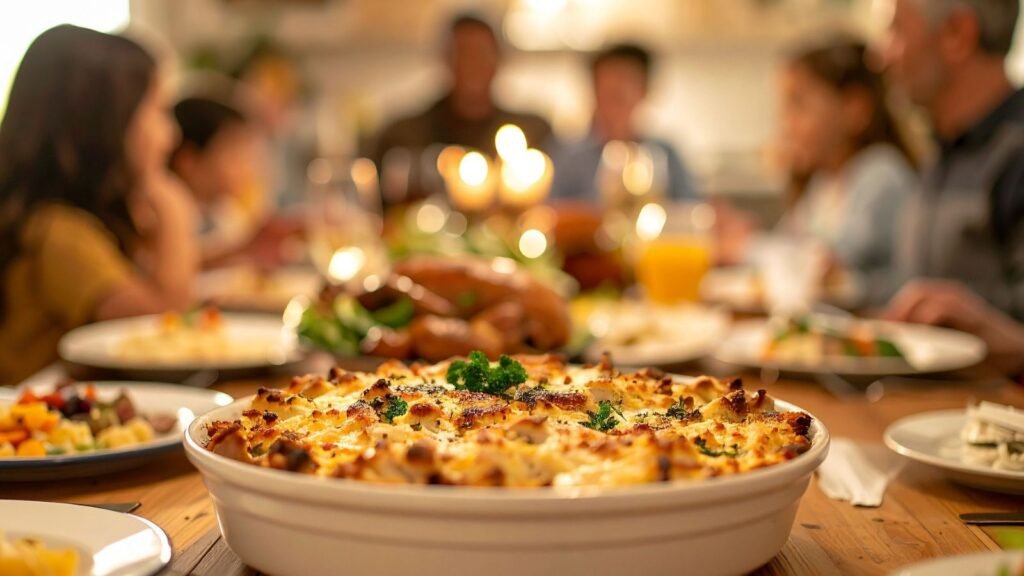
When we eat in the presence of others, we are always communicating. Sharing a meal is one of our primary tools for managing how others perceive us. We choose foods that reflect who we want to be: sophisticated, focused on health, adventurous, or easygoing. We follow unspoken rules of etiquette, using the correct utensils and pacing ourselves to match the table. This is not chapters of dishonesty, as it is simply how we navigate social life. But it does require constant, quiet energy.
When the audience leaves, however, the social performance of dining immediately stops. Experts in food psychology have long observed that our solitary eating habits function as a mirror for our emotional state. Without the need to perform adulthood, we naturally gravitate toward foods that require very little effort or coordination. Research suggests that the specific foods we choose when we are by ourselves often recreate the sensory experiences of early childhood safety. Soft textures, familiar flavors, and simple preparations help our nervous system settle after a demanding day of navigating the expectations of the world.
A Quiet Return to a Simpler State
Think of the comfort that comes from eating something that requires absolutely no effort to cut, present, or explain. There is a quiet peace in a bowl of buttered noodles or a piece of toast eaten over the toaster itself. By removing the pressure of presentation, we are also removing the pressure of expectation. We do not have to worry about whether our plate looks balanced or if our choices are being judged by a dining partner. The food becomes a safe harbor, a small space where we do not have to achieve anything.
These private selections often serve as a nostalgic bridge to former versions of ourselves. The unusual snack combinations we create in empty kitchens are usually rooted in our personal histories. Perhaps you eat cold hot dogs because they remind you of summers at a grandparent’s house, or you eat potato chips dipped in cream cheese because it was your favorite after school treat. When we eat these things alone, we are not just consuming calories. We are visiting a version of ourselves that existed before life became so complicated and full of adult responsibilities.
The Secret Histories on Our Plates
Perhaps we have been looking at our secret food habits entirely backward. We often treat these private moments as guilty pleasures or evidence of a lack of discipline. We promise ourselves that tomorrow we will do better, cook a proper meal, and act like a responsible adult. But maybe those odd, unglamorous dishes are not a failure of discipline at all.
Maybe those quiet, solitary meals are the only moments where we allow our true, unpolished selves to exist without needing to explain why. They are small, edible reminders of who we are when nobody is watching, offering a rare opportunity to step out of our roles and simply exist in our own comfortable reality. In a world that constantly asks us to be polished, presentable, and performing, a slice of cheese eaten over the kitchen sink is not a lapse in judgment. It is a quiet declaration of peace.