The Quiet Space at the Holiday Table
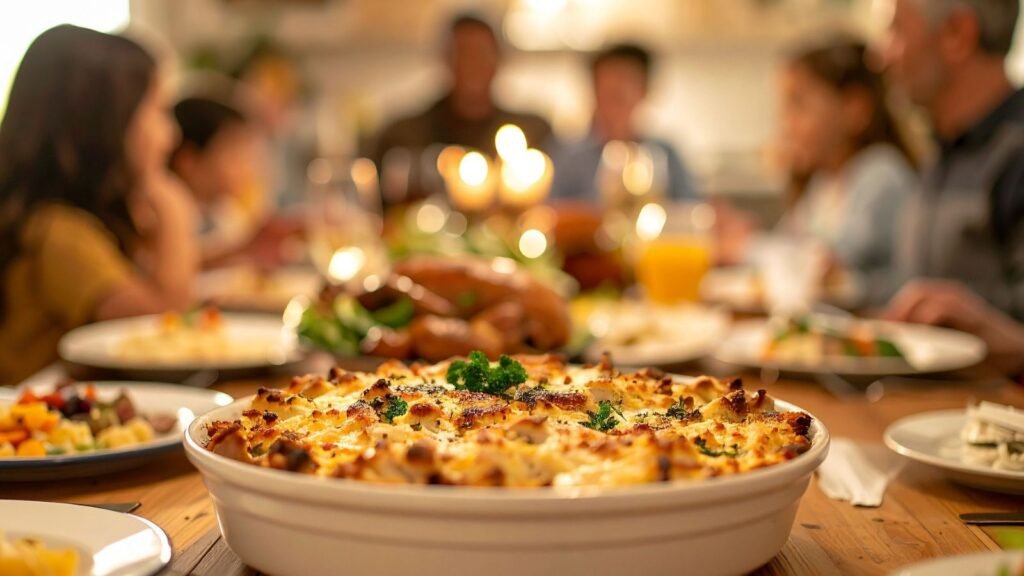
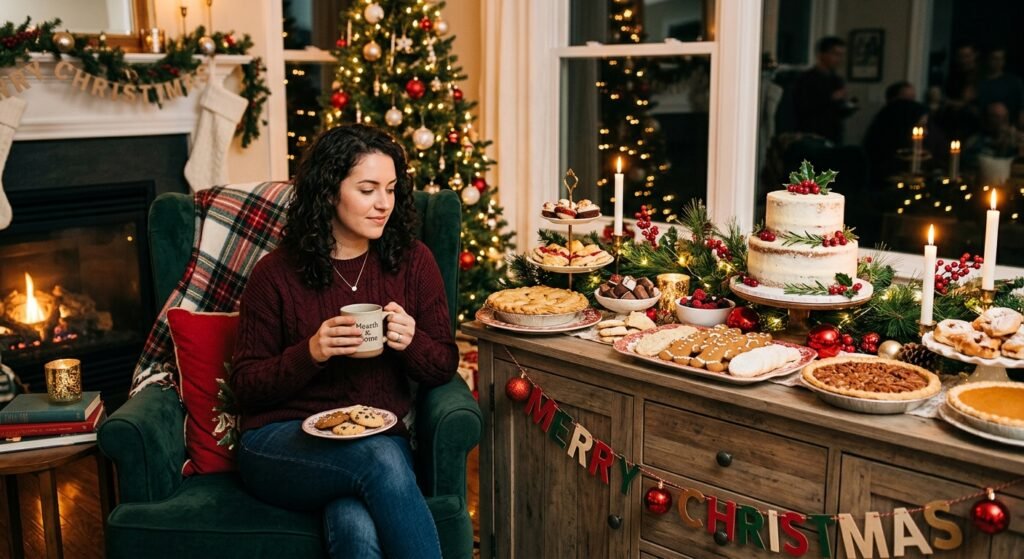
You are standing in the quiet of a brightly lit kitchen while the muffled sounds of holiday music and family chatter drift in from the next room. On the counter sits a half-eaten plate of sugar cookies, a basket of dinner rolls, and the remains of a meal that ended an hour ago. You aren’t hungry. In fact, your stomach is already uncomfortably full, yet you find yourself reaching for one more bite, then another, eating in a hurried, almost secret way before anyone walks in.
It’s a familiar scene that often leads to a wave of harsh self-judgment the next morning. We blame a lack of willpower, we promise to do better tomorrow, and we chalk it up to the simple temptation of seasonal treats. But if we look a little closer, we might find that the urge to keep eating has very little to do with hunger, and everything to do with who is missing from the room.
The holidays have a way of demanding joy, which makes them particularly difficult when you are carrying a loss. When everyone else is celebrating, the absence of a loved one can feel like a quiet storm inside you. Food often becomes the one safe harbor where we can retreat, a physical source of comfort when our emotional world feels entirely empty.
Why the Kitchen Feels Like a Sanctuary
During the holiday season, our sensory memories are heightened. The smell of pine, the sound of familiar songs, and the taste of specific recipes all act as keys that unlock past chapters of our lives. When we’re grieving, these triggers can feel overwhelming. We walk into a room filled with laughter, but all we can hear is the silence of the person who isn’t there to share it.
In those moments, food offers a unique kind of relief. It’s warm, it’s tangible, and it demands nothing from us. Unlike family members who might ask how we are doing, or holiday parties that require us to put on a happy face, a plate of food doesn’t expect us to be anything other than what we are. It is a quiet, predictable comfort in a season that feels emotionally unpredictable.
When we reach for extra helpings, we are often trying to soothe a nervous system that is operating in high gear. Psychologists have long noted that under conditions of deep stress or sorrow, our bodies naturally seek out ways to ground themselves. Holiday foods, which are often rich in starches and sugars, trigger a brief release of soothing chemicals in the brain, offering a temporary sense of peace. It isn’t a failure of character; it’s a physical response to emotional pain.
The Substance of What We Miss
There is a profound difference between eating to satisfy physical hunger and eating to quiet an emotional ache. Physical hunger comes on slowly and can be satisfied by almost anything. Emotional hunger, especially the kind brought on by grief, arrives suddenly and craves very specific things. It wants the exact dressing your grandmother used to make, or the cookies you used to bake with a parent who has passed on.
We are trying to consume the memory itself. By eating the foods associated with the people we’ve lost, we are trying to bring them back into the room, even if only for a moment. The act of eating becomes a way of holding onto a connection that has been broken.
This is why the fullness we seek is often more about density than calories. Grief has a way of making us feel hollow, like a gust of wind could blow us away. Filling our stomachs is a subconscious way of trying to make ourselves feel grounded. We want to feel anchored to the earth when our emotional world feels entirely rootless.
Allowing Space for the Empty Chair
If you find yourself overeating this holiday season, it might be helpful to pause and offer yourself a bit of grace. The holiday season is a beautiful time, but it’s also a landscape of memories that we must navigate without the people who helped us build them. The pressure to feel merry can make us feel like we have to hide our sadness, and food is often the place where that hidden sadness goes.
We don’t need to fix our eating habits before we address our hearts. Sometimes, the most comforting thing we can do is simply acknowledge the empty chair. We can let ourselves feel the ache of the loss without trying to stuff it down with another slice of pie.
Perhaps the realization we need isn’t that we lack discipline during the holidays. Maybe it’s that our relationship with food during these weeks is a physical translation of our love and our longing. We are not failing; we are simply trying to carry a profound sorrow while the rest of the world is singing. And in the quiet of the kitchen, among the leftovers and the crumbs, we are just looking for a way to feel warm again.