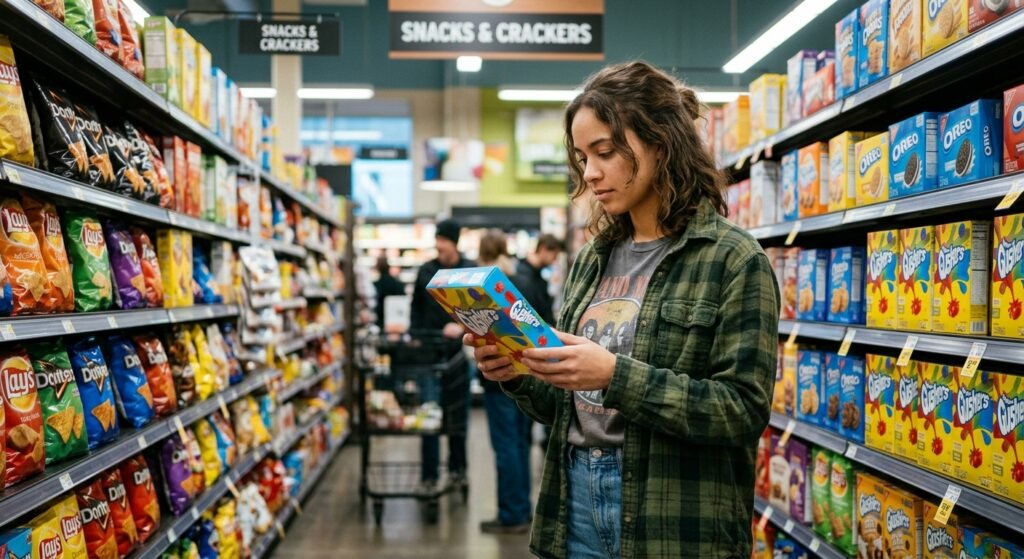
Maybe it was a box of neon-blue snack cakes, a foil-wrapped pocket of processed pizza, or a bowl of cereal so sweet it turned the milk green. You remember it as the ultimate treat, the exact thing you begged for in the grocery store aisles while pulling on your parent’s sleeve. For years, the memory of that flavor remained perfect, preserved in your mind like a tiny museum piece of pure happiness. Then, one afternoon, you find yourself walking down the exact same aisle, spot that familiar cardboard packaging, and decide to treat your adult self to a taste of childhood.
But when you take that first bite, something goes wrong. The pastry tastes less like magic and more like straight sugar and chemicals. The texture is strangely dry, and the filling doesn’t have that rich flavor you swore it had when you were ten years old. You check the box, wondering if the company changed the recipe, but deep down, you know the truth. The recipe didn’t change. You did.
It’s a quiet, surprisingly bittersweet realization that catches you off guard in your own kitchen. You aren’t just disappointed that a snack didn’t live up to the hype; you’re grieving a version of yourself who loved it without question. That childhood food was a bridge to a time when life felt simpler, when afternoons were long, and when happiness could be bought for pennies at the corner store. Losing the taste for it feels like losing another tiny piece of the past.
The Biology of Nostalgia
Our relationship with flavor is rarely just about our taste buds. Psychologists who study memory often point out that our sense of smell and taste are wired directly into the emotional centers of our brains, which is why a single scent can transport you back to your third-grade classroom faster than an old photograph. When we look back on our childhood favorites, we aren’t just remembering a recipe. We’re remembering the safety of our childhood homes, the freedom of summer vacation, and the feeling of being looked after by people who knew exactly how we liked our sandwiches cut.
Researchers have found that our sensory preferences are deeply tied to these emotional associations. When you were young, your brain linked the high sugar content of those treats with comfort and reward. Because children actually have more taste buds than adults, especially for sweet things, those flavors landed with an intensity we rarely experience later in life. As we grow older, our physical taste buds naturally decline, and our brains become more accustomed to complex, bitter, and savory flavors.
This physical maturation mirrors our emotional growth. Just as our palates learn to appreciate the complexity of roasted vegetables or dark coffee, our minds learn to navigate the complicated realities of adult life. We start to value balance over pure sugar, and we begin to seek out comfort in ways that require a bit more effort than opening a cellophane wrapper.
Outgrowing the Season
It’s easy to feel a little foolish for romanticizing a processed snack, but these tiny taste disappointments are actually markers of our personal transitions. When you realize you no longer enjoy the foods that once defined your happiest days, it forces you to look at how much you’ve changed as a person. You’re no longer the kid who could eat three bowls of sugary cereal while watching cartoons on a Saturday morning without a care in the world. You’re someone who carries responsibilities, who has lived through difficult seasons, and who has built a completely different life.
Sometimes, we keep buying those childhood foods because we’re trying to perform a rescue mission on our own memories. We think that if we can just taste that specific soda or cookie again, we can briefly feel the effortless peace of that era. But when the flavor falls flat, it reveals a deeper truth. The comfort wasn’t actually inside the cardboard box. The comfort was in the world we lived in when we first opened it.
Recognizing this doesn’t mean we have to abandon our nostalgia. Instead, it invites us to appreciate those memories for what they were: beautiful, temporary chapters of our lives. You can love the memory of the neon-blue snack cake without needing to eat it today. You can cherish the feeling of those easy summer afternoons while still accepting that your adult life, with all its complex flavors and challenges, is exactly where you belong.
In the end, outgrowing your favorite childhood foods isn’t a loss of joy. It’s simply proof that you’ve grown up. Maybe we aren’t meant to keep loving the same things forever. Perhaps the real beauty of those childhood favorites isn’t that they stay delicious, but that they served as the perfect backdrop for a season of life we were lucky enough to experience. And as you put the half-eaten snack aside, you might realize that you don’t need to taste the past to know it was real.